


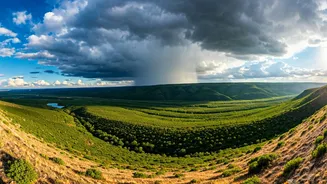


A Land of Stark Contrast
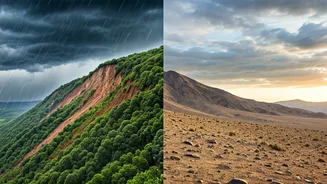
During July and August, much of India experiences its peak monsoon season. Cities and countrysides are awash with rain, humidity is high, and landscapes turn a vibrant green. Yet, at the same time, the high-altitude region of Spiti in Himachal Pradesh
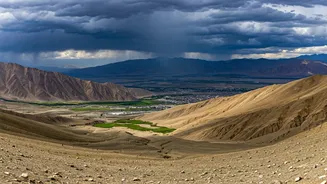
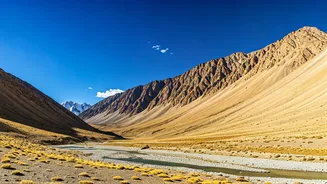
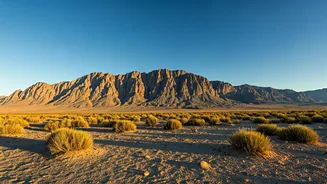
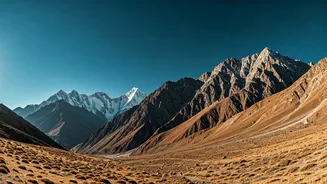
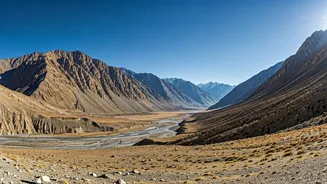
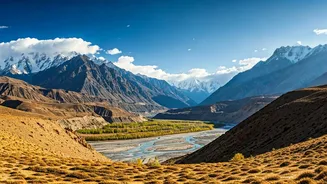
experiences sunny days and receives very little precipitation. This dramatic difference isn't a freak weather event; it's a consistent climatic reality rooted in geography. Spiti is classified as a cold desert, not because of heat, but because of its extreme lack of rainfall, receiving less than 170 mm annually. This aridity, combined with its high altitude, creates a landscape and environment unlike anywhere else in the country.
The Great Himalayan Barrier
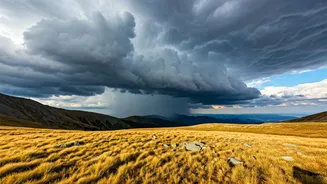
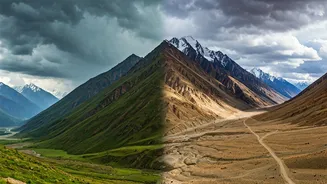
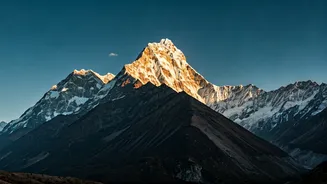
The primary reason for Spiti's dryness is the immense physical barrier of the Himalayan mountain ranges. When the moisture-laden southwest monsoon winds blow inland from the Arabian Sea and the Bay of Bengal, they travel unimpeded across the plains. However, as they reach the Himalayas, their journey is abruptly halted. Towering ranges, including the Pir Panjal and the Great Himalayan Range, stand like a colossal wall, preventing these rain clouds from passing further north into regions like Spiti and Ladakh. This blockade is the critical first step in creating the unique climate of the valley.
Unpacking the Rain-Shadow Effect
This phenomenon is known as the 'rain-shadow effect'. Imagine a giant, wet sponge being carried by the wind. As the wind forces the sponge up the side of a mountain, the change in altitude causes it to cool and get squeezed. All the water pours out on this side, known as the windward side. Meteorologically, as moist air is forced to rise over a mountain range (a process called orographic lifting), it expands and cools. This cooling causes the water vapor to condense into clouds and fall as rain or snow on the mountain's windward slopes. By the time the air mass crosses over the mountain peaks and begins to descend on the other side (the leeward side), it has lost most of its moisture. This now-dry air warms as it descends, further reducing humidity and inhibiting cloud formation, casting a 'shadow' of dryness on the land below.
Spiti's Unique Geographic Position
Spiti Valley is perfectly positioned on the leeward side of the Himalayas to fall directly within this rain shadow. The main monsoon systems exhaust their moisture on the southern, windward slopes of the ranges in other parts of Himachal Pradesh and Uttarakhand, which receive heavy rainfall. The mountains effectively strip the air of its water content before it can reach Spiti. As this dry air descends into the valley, it creates the clear, arid conditions that define the region. While the rest of the country is looking for an umbrella, Spiti often enjoys sunshine, making it an accessible and popular destination during the monsoon months for those seeking to escape the rains.
Life in a Cold Desert
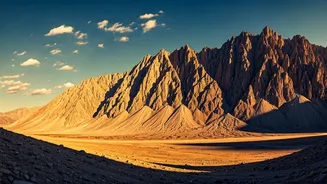
The result of the rain-shadow effect is a stunning but harsh environment. Spiti is a 'cold desert' because its aridity is a function of a lack of rain, while its high average elevation of over 12,500 feet ensures temperatures remain low. Winters are severe, with temperatures plummeting far below freezing, but even summer days are only moderately warm before a sharp chill sets in at night. The landscape is barren and rugged, with minimal natural tree cover. The primary source of water is not rain, but the snowmelt from glaciers and the light snowfall the region receives in winter. This scarcity of water and extreme climate has shaped a unique, resilient culture heavily influenced by Tibetan Buddhism, with life adapted to the short growing seasons and long, cold winters.