






The Outdated Idea of Passive Rest
For decades, fitness enthusiasts believed rest days meant becoming one with the couch. The logic seemed sound: after causing micro-tears in your muscles during intense workouts, you needed to give them a complete break to repair and grow stronger. This
passive approach to recovery involves minimal physical activity, allowing the body to focus its energy on healing. While rest is undeniably critical for preventing overtraining, injury, and mental burnout, the idea that total inactivity is the optimal path to recovery is now being challenged. Slow blood flow on a sedentary day can lead to increased muscle stiffness and prolonged soreness, which might not be the most efficient way to prepare for your next big workout.
The Shift to Active Recovery
Enter active recovery: the practice of using low-intensity exercise to help the body heal. Unlike passive rest, active recovery keeps you moving gently. The goal isn't to add more strain but to facilitate the body's natural repair processes. Engaging in light activities increases blood flow to your muscles. This enhanced circulation is crucial because it helps deliver oxygen and nutrients needed for repair while flushing out metabolic waste products, like lactate, that contribute to soreness and stiffness. Studies have shown that athletes who engage in active recovery can clear lactate faster and report less muscle soreness than those who remain completely sedentary.
What Are Targeted Restoration Drills?
Targeted restoration drills are a specific form of active recovery. Instead of just a casual walk, these are deliberate, low-impact movements designed to address the stiffness, imbalances, and mobility issues caused by your workouts. Think of it as a focused tune-up for your body. These drills aren't meant to be another strenuous session; the intensity should be very low. The focus is on improving movement quality, enhancing flexibility, and stimulating recovery in the specific muscles and joints you've been working. It’s a tailored approach that can involve mobility work for tight hips, gentle stretches for the back, or foam rolling to release muscle knots.
Key Benefits of Active Restoration
Incorporating targeted restoration into your routine offers several compelling advantages. First and foremost, it significantly reduces delayed-onset muscle soreness (DOMS). By keeping blood flowing, you help clear the waste products that cause that familiar post-workout ache. Second, it improves mobility and flexibility. Sedentary rest can sometimes lead to tighter muscles, whereas gentle movement lubricates joints and maintains your range of motion, which is crucial for injury prevention. Finally, it offers mental health benefits. A light, restorative session can reduce stress, improve your mood, and keep you mentally engaged in your fitness journey without the risk of burnout.
Simple Restoration Drills to Try
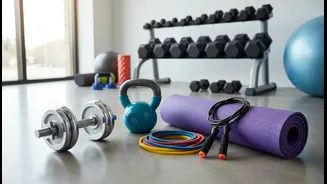
You don't need a complicated plan to start. A 20-30 minute session is often enough. Here are some effective drills: - Foam Rolling: Gently roll out major muscle groups like your quads, hamstrings, calves, and back for 30-60 seconds each to release tension. - Mobility Work: Perform dynamic movements like cat-cow stretches for spinal flexibility, leg swings to open up the hips, and arm circles to improve shoulder mobility. - Gentle Yoga or Stretching: Focus on long, gentle holds in poses that target areas of tightness. A light yoga flow can increase blood flow and calm the nervous system. - Low-Intensity Cardio: A 20-minute walk, a slow bike ride on flat terrain, or a relaxed swim can all boost circulation without taxing your muscles.