






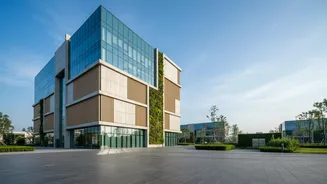
India’s Islands of Opportunity
They go by names like HITEC City, Cyber Hub, and Electronics City. These are India's 'good job' clusters—geographic concentrations of companies in high-growth sectors like IT, finance, and biotechnology. Cities such as Bengaluru, Hyderabad, Pune, and Gurugram
have become magnets for investment and talent, powered by these hubs. They are home to multinational corporations and a thriving startup culture, offering skilled professionals high salaries and career growth. This concentration, known as agglomeration, is powerful. It creates a virtuous cycle where talent attracts companies, and companies attract more talent, fostering innovation and economic dynamism that contributes significantly to the national GDP.
The High Cost of Proximity
The success of these job clusters comes at a cost, and it is paid first by those who live nearby. As high-salaried professionals flock to these areas, the demand for housing skyrockets. In cities like Gurgaon and Bengaluru, property prices and rents in areas close to major IT parks have soared, a trend seen across all major hubs. This creates a barrier to entry, not just for low-income workers, but for essential service providers and even for younger employees at the start of their careers. The result is spatial segregation: affluent, high-tech enclaves surrounded by neighbourhoods where people struggle with housing affordability, creating stark divides within the same city.
A City Divided by Commutes
When people can't afford to live where they work, the city's infrastructure begins to groan under the strain. The mismatch between job locations and affordable housing forces millions into long, gruelling daily commutes. An average city dweller can spend over an hour and a half stuck in traffic every day. This puts immense pressure on public transport, clogs roads, and contributes to India's severe air pollution crisis. The dream of a short walk to work is replaced by the reality of a multi-hour journey, impacting quality of life, health, and productivity. This daily migration is a physical manifestation of the economic divides shaping our cities.
The Widening Regional Gap
The inequality isn't just within cities; it's between entire regions. As skilled workers migrate from smaller towns and rural areas to the booming metros, it creates a 'brain drain' from the hinterlands. States like Bihar and Uttar Pradesh see their youth leave for opportunities in the south and west. This leaves many regions in a development trap, struggling with lower incomes, less investment, and a reliance on agriculture. Government bodies like NITI Aayog have repeatedly highlighted this regional disparity as a critical challenge for India's overall development, noting that while some lagging states are starting to catch up in the services sector, the gap remains wide.
Towards a More Balanced Future
Job clusters are vital for India's economic ambitions. The challenge is not to dismantle them, but to manage their consequences. The solution lies in more inclusive and forward-thinking urban planning. This includes prioritizing affordable housing near employment hubs, investing in robust public transport to reduce the pain of commutes, and fostering decentralized growth. Encouraging the development of new economic centres in Tier-2 and Tier-3 cities can help spread opportunity more evenly, ensuring that the benefits of growth are not confined to a few select postal codes. The goal must be to build an economy where opportunity is not a matter of geography.