





From Control to Consciousness
First, let's distinguish 'portion awareness' from its sterner cousin, 'portion control'. While control often implies rigid restriction and counting every calorie, awareness is a gentler, more sustainable approach. It’s about mindfulness—paying attention
to what and how much you eat because you want to feel good, not because you're following a strict diet. It’s a shift from a mindset of deprivation to one of conscious choice, allowing you to savour the festive flavours without the common feelings of guilt or overindulgence that often follow. This approach is about listening to your body's hunger and fullness signals, something easily ignored amidst the celebratory noise.
Visual Tricks for a Balanced Plate
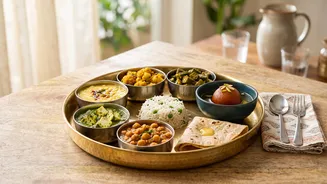
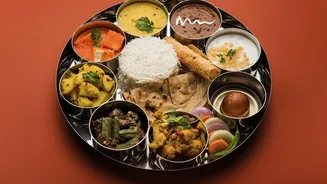
You don’t need measuring cups to practise portion awareness. One of the most effective strategies is using visual cues. The 'balanced plate' rule is a game-changer at buffets: fill half your plate with salads or vegetables first. These high-fibre options help you feel fuller and reduce cravings for heavier dishes. Dedicate one quarter to protein—like dal, chana, or paneer—and the final quarter to carbohydrates such as rice or roti. Another simple trick is to use smaller plates. Switching from a large thali to a standard 9-inch dinner plate can reduce the amount of food you serve yourself by up to 30%, a psychological hack that works without requiring any willpower.
A Smart Strategy for Social Feasts
Festive gatherings are where healthy intentions often get derailed. A little planning can make a huge difference. Never arrive at a party starving; having a small, protein-rich snack like a handful of nuts before you leave can prevent you from making a beeline for the fried appetisers. Once there, take a lap around the buffet to survey all the options before filling your plate. This allows you to mindfully pick your absolute favourites rather than piling on a bit of everything. Choose one or two indulgences—perhaps the shahi paneer or the gulab jamun—and balance them with healthier choices. And remember, it's perfectly polite to decline second helpings.
Taming the Sweet Temptations
For many, the biggest festive challenge is the endless array of mithai. Instead of forbidding sweets entirely, which can lead to feelings of deprivation, practise moderation. The 'one plate rule' for desserts is effective: choose one or two of your most-loved sweets, place them on a small plate, and savour them slowly. Sharing a dessert with a family member is another great way to satisfy a craving without consuming a full portion. When eating sweets like gulab jamun or ladoo, using a smaller spoon can trick your brain into feeling satisfied with less by forcing you to eat more slowly and mindfully. If you're preparing sweets at home, you can make them in smaller, bite-sized portions.
Hydration and Pacing Are Key
Thirst is often mistaken for hunger. Staying well-hydrated throughout the day by drinking water, coconut water, or buttermilk can prevent you from overeating. Drinking a glass of water before a meal can also create a sense of fullness. Equally important is the pace at which you eat. It takes about 20 minutes for your brain to register that your stomach is full. Eating slowly, chewing each bite thoroughly, and putting your fork down between bites gives your body time to send those satiety signals. Engaging in conversation and savouring the company of loved ones can naturally slow down your eating, making the meal more enjoyable and preventing you from feeling uncomfortably stuffed.