






What Exactly Is a Dry Bag?
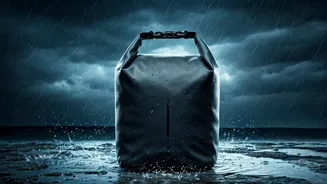
A dry bag is a flexible, waterproof container designed to keep your belongings completely dry. Originally popular in water sports like kayaking and rafting, their utility has made them a mainstream essential for everyday life, especially during rainy
seasons. Unlike a regular backpack that might be water-resistant, a true dry bag is constructed from waterproof materials like PVC, vinyl, or coated nylon with welded seams to prevent leaks. The most common design features a “roll-top” closure: you simply roll the top edge down three or four times and clip the buckles together, creating a watertight seal that protects the contents even if the bag is briefly submerged.
Why They Are a Monsoon Must-Have
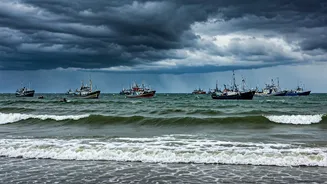
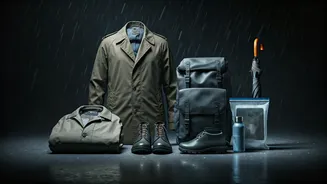
The India Meteorological Department (IMD) has issued alerts for thunderstorms, lightning, and gusty winds across numerous states as the Southwest Monsoon progresses. These conditions mean that sudden, intense showers can occur with little warning, turning a daily commute into a challenge. Waterlogged streets and unexpected downpours pose a significant threat to the expensive gadgets we carry every day, from laptops and smartphones to chargers and power banks. A dry bag acts as personal insurance against water damage, providing a secure sanctuary for your electronics and other sensitive items like wallets, important papers, or a spare set of clothes. It offers peace of mind whether you're on a bike, walking, or using public transport.
Choosing the Right Size for Your Needs
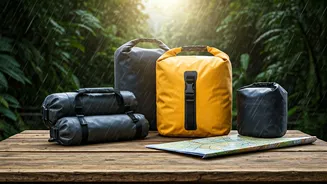
Dry bags are measured in litres, and selecting the right size depends entirely on what you need to protect. For daily essentials, a small 5L to 10L bag is perfect for your phone, wallet, keys, and a power bank. A medium-sized bag, typically in the 15L to 20L range, can comfortably accommodate a small tablet or laptop, a change of clothes, or your lunch. This size is often the most versatile for daily commuters and day trips. If you need to carry more, such as gear for an overnight trip or a larger work laptop and accessories, a 30L bag offers ample space. Remember, it's often more convenient to use two smaller bags than one oversized one, which can be bulky to carry.
Key Features to Look For
When selecting a dry bag, material and construction are key. Tougher materials like PVC or heavy-duty vinyl offer excellent abrasion resistance, which is great for rugged use. Lighter nylon or TPU-coated bags are more flexible and less bulky, making them ideal for tucking inside another backpack. Always check for welded seams rather than stitched ones, as needle holes can be a point of failure for water to enter. A sturdy buckle on the roll-top closure is non-negotiable. Some bags also come with extra features like a shoulder strap for easier carrying, external zippered pockets (which are usually not waterproof), or even transparent windows that let you see the contents without opening the bag.
Getting the Most From Your Bag
Properly using a dry bag is simple but crucial for ensuring it works as advertised. For the roll-top closure to be effective, you must fold the top down at least three times before securing the buckle. This creates the necessary waterproof seal. While many dry bags will float if they fall into water (thanks to the trapped air inside), most are not designed for prolonged submersion unless they have a specific IPX rating like IPX7 or IPX8. Another practical use is for organization; use one to separate wet or dirty clothes from clean items in your main bag. This is perfect for a damp towel or a rain-soaked jacket after a storm. Finally, the waterproof seal also traps odours, making them useful for carrying gym clothes.