



The Unseen Saboteur in Your Herb Basket
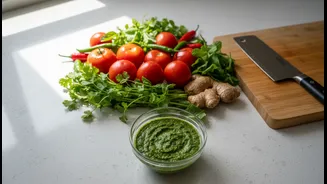
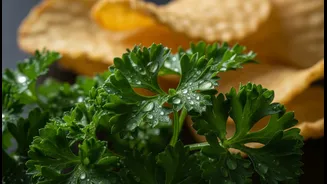
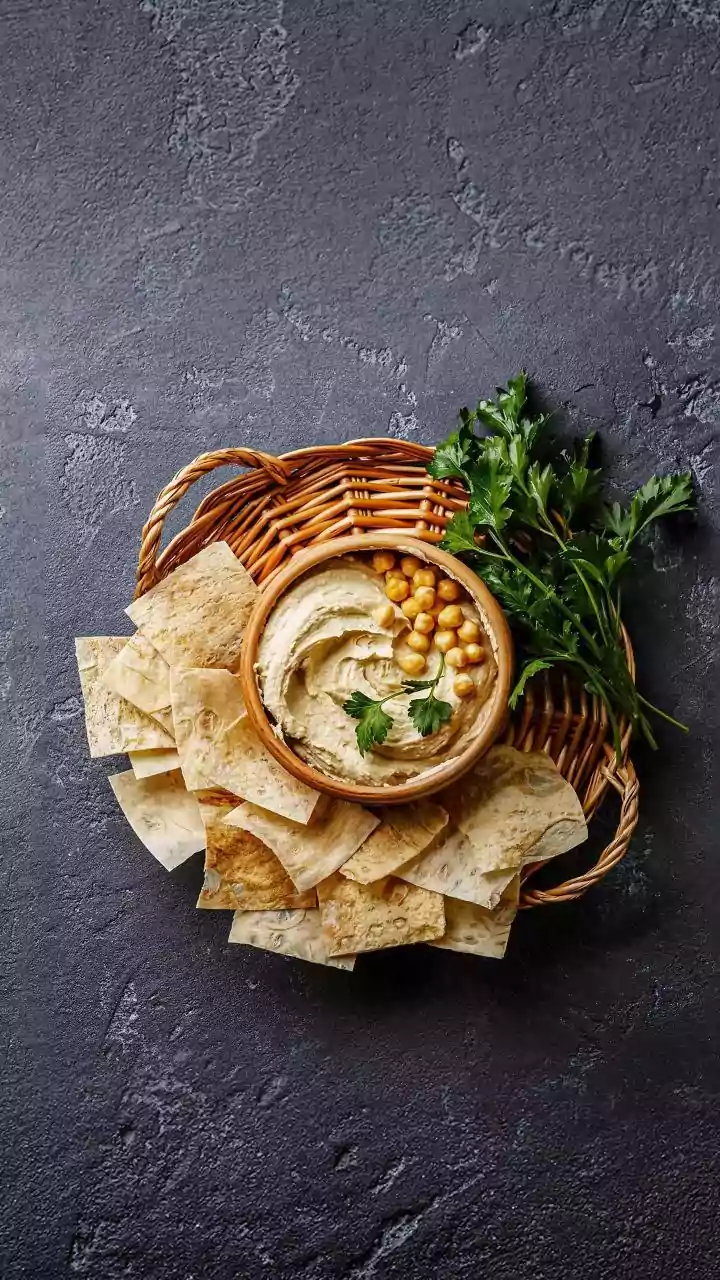
It sounds like a kitchen conspiracy theory, but the secret enemy of your perfectly crispy chakli, murukku, or potato chips could be the fresh bunch of parsley sitting next to them. Like all fresh produce, herbs such as parsley have a very high water content.
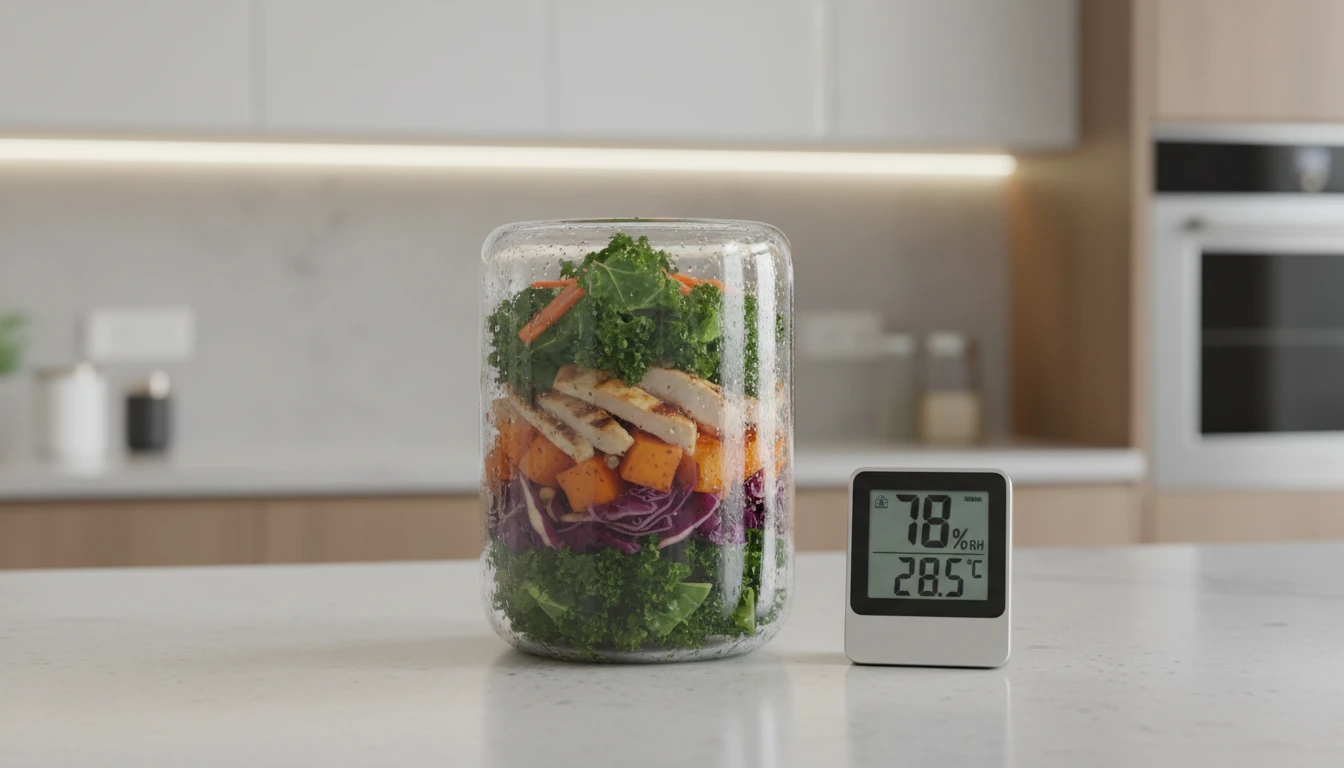
They are, in essence, little bundles of water wrapped in plant cells. While they sit on your counter, they naturally release this moisture into the surrounding air through a process called transpiration. This process doesn't stop just because they've been harvested. Think of a fresh herb bunch as a tiny, organic humidifier, constantly emitting a fine, invisible mist of water vapour into your kitchen. These are the 'micro-moisture drops'—not literal droplets you can see, but a steady emission of water molecules that can wreak havoc on your dry goods.
The Science of Soggy Snacks
To understand why this is a problem, we need to talk about water activity. In food science, water activity (abbreviated as aw) is a measure of the 'free' or available water in a food item that can interact with the environment. Fresh parsley has a very high water activity (close to 0.99), while a dry, crispy snack like a cracker has a very low water activity (perhaps around 0.3). Physics dictates that nature seeks balance. Moisture will always try to move from an area of high concentration to an area of low concentration until equilibrium is reached. So, the water vapour released by the parsley raises the relative humidity of the air inside your kitchen. Your crispy snacks, being extremely dry, are what scientists call hygroscopic—they are experts at absorbing moisture from the air. They literally pull the water vapour released by the parsley out of the atmosphere and into their own structure, starting a process that spells the end of their crunch.
Why Crispy Foods Are So Vulnerable
The delightful crunch of a fried or baked snack is the result of dehydration. During cooking at high temperatures, water is rapidly driven out, leaving behind a rigid, porous structure full of tiny air pockets. This brittle structure is what shatters when you take a bite, creating that satisfying sound and sensation. However, this same porous, dehydrated structure makes these foods incredibly vulnerable to moisture. The starches and proteins that formed the crispy matrix are thirsty. When they come into contact with water molecules from the humid air—water that was generously donated by your parsley—they begin to rehydrate. As the structure absorbs this moisture, it softens and loses its rigidity. The satisfying snap is replaced by a disappointing, chewy bend. The process is slow and invisible, but it is the fundamental reason even the best-packaged snacks can go stale if left near a source of ambient moisture.
Protecting Your Crunch: A Kitchen Strategy
So, must you banish fresh herbs to save your snacks? Not at all. The solution lies in smart storage and creating separation. Treat your fresh parsley like a bouquet of flowers: trim the stems and place it upright in a jar with a little water, then store it in the refrigerator. This contains its moisture and keeps the herb fresh. Alternatively, you can wrap it loosely in a damp paper towel and place it in a produce bag in the fridge. For your dry snacks, airtight is non-negotiable. Glass jars with rubber seals or high-quality plastic containers are your best friends. Avoid keeping snacks in the flimsy bags they came in once opened, as these rarely provide a true barrier against humidity. The key principle is to physically separate your high-moisture items (fresh produce) from your low-moisture items (crispy snacks). Don't store them side-by-side on the counter or in the same pantry cupboard if you can avoid it. A little bit of kitchen management can ensure your herbs stay fresh and your snacks stay crispy.