






The Gut-Wrenching Reality of Space
The human body evolved under Earth's gravity, and when you remove that fundamental force, things get complicated. Astronauts have long reported digestive issues, including constipation, bloating, and discomfort. Recent research is finally revealing why.
Without gravity's assistance, the movement of food through the intestines, a process called peristalsis, slows down. This slowdown creates a significant shift in the gut's delicate ecosystem. Studies of astronauts on the International Space Station (ISS) show that this slower transit time alters how gut bacteria break down nutrients. Normally, these microbes ferment fiber and carbohydrates for energy. But as food lingers longer in the gut, these sources can get used up, forcing the bacteria to start fermenting protein instead—a process that produces very different and potentially harmful byproducts.
More Than Just a Stomach Ache
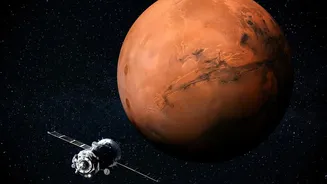
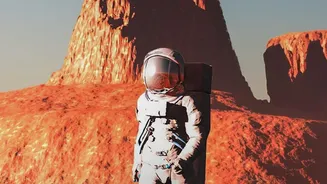
The consequences of this microbial shift extend far beyond simple constipation. Increased protein fermentation releases compounds like ammonia and hydrogen sulfide into the body. While these might pose a limited risk on a six-month ISS mission, they could become a serious problem on a three-year round trip to Mars. Researchers are concerned that a buildup of these metabolites could lead to a range of health issues, including kidney damage, increased inflammation, and even mood and cognitive problems. The gut-brain axis, the communication network between our digestive system and our brain, is a major area of focus. If harmful compounds enter the bloodstream, they can travel to the brain, potentially affecting an astronaut's concentration, decision-making, and psychological resilience—all of which are absolutely critical for the success of a high-stakes mission.
A Hostile Environment Inside and Out
Microgravity isn't the only threat. During a Mars mission, astronauts will be exposed to significant levels of galactic cosmic radiation, which can damage gastrointestinal tissues. Animal studies simulating this exposure have shown it can lead to long-term functional damage and even increase the risk of tumors in the stomach and colon. Combined with the stress of confinement, circadian rhythm disruption, and a limited diet of pre-packaged foods, the environment for an astronaut's microbiome is incredibly hostile. Research has shown that spaceflight can reduce the diversity of beneficial gut bacteria, such as those that produce anti-inflammatory compounds. This dysregulation can weaken the immune system, another major concern for long-duration missions far from Earth-based medical support.
Engineering Health from the Inside Out
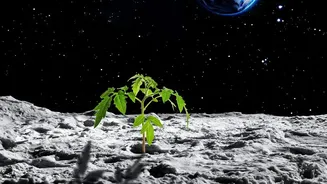
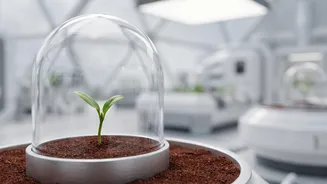
Understanding the problem is the first step; solving it is the next giant leap for mission planners. NASA and its international partners are exploring a variety of countermeasures. One of the most promising avenues is precision nutrition. This could involve developing specialized diets rich in different types of fiber to ensure gut microbes have a steady supply of carbohydrates, reducing their reliance on protein fermentation. The use of prebiotics (which feed good bacteria) and probiotics (live beneficial bacteria) is also being heavily researched to help maintain a healthy microbial balance. Another key area is the development of space-based agriculture. Growing fresh produce would not only provide essential nutrients but also support a more diverse and resilient gut microbiome. Ultimately, keeping astronauts healthy for a journey to Mars requires treating their gut microbiome as another critical life-support system that must be carefully monitored and maintained.