

Catch the Tail End of the Perseids
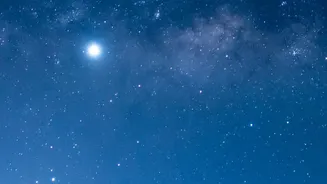
While the famous Perseid meteor shower peaked around August 12th and 13th, its activity continues until late August. This means you still have a chance to see one of these dazzling “shooting stars.” The Perseids are known for being bright and fast, frequently
leaving long trails of light and color in their wake. They are fragments of the comet Swift-Tuttle, and Earth passes through this debris stream every year. For your best chance to see a straggler, find a dark location away from city lights after midnight. Let your eyes adjust to the darkness for about 30 minutes, lie back, and look up. You don't need a telescope or binoculars; the key is to take in as much of the sky as possible.
Spot the Summer Triangle
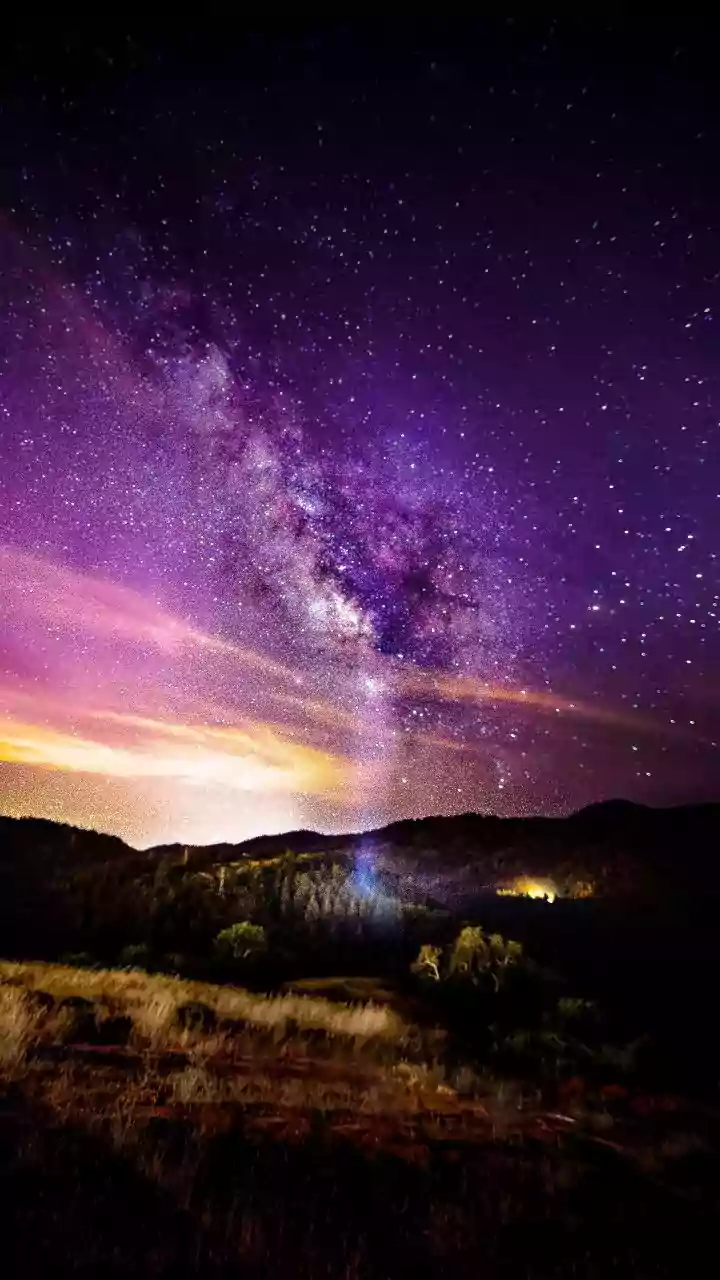
High in the sky after sunset, you can find one of the most prominent signposts of the summer sky: the Summer Triangle. This is not a constellation but an asterism, a simple pattern made of three bright stars from three different constellations. The brightest of the trio is Vega, in the constellation Lyra (the Lyre). The other two corners are marked by Deneb, the tail of Cygnus (the Swan), and Altair, the head of Aquila (the Eagle). This giant triangle is easy to spot even with some light pollution and serves as a great starting point for exploring the rich starfields of the summer Milky Way, which flows right through it.
Prepare for a 'Blood Moon' Eclipse
Mark your calendar for the night of August 27-28 for a spectacular lunar event. A deep partial lunar eclipse will occur, with nearly all of the Moon's disk passing into Earth's dark central shadow. The Full Moon will occur on August 28, and during the eclipse, it will take on the reddish, coppery glow often called a “Blood Moon.” This happens as sunlight is filtered through Earth's atmosphere and cast onto the lunar surface. The event will be an impressive sight, as about 96% of the moon will be covered at its peak. It will be visible all night, rising around sunset and setting around sunrise.
Watch the Moon Visit Saturn
In the last few days of August, from the 28th to the 31st, you can watch the bright, nearly full Moon approach and pass the planet Saturn in the night sky. Saturn, the famous ringed planet, is getting brighter as it heads toward its opposition in early October, when it will be at its closest and brightest for the year. While you need a telescope to see its iconic rings, the planet itself is easily visible to the naked eye as a steady, bright point of light. This close pairing with the Moon will make for a beautiful sight in the evening or pre-dawn sky and an easy way to identify one of the solar system's most stunning gems.
Explore Southern Constellations
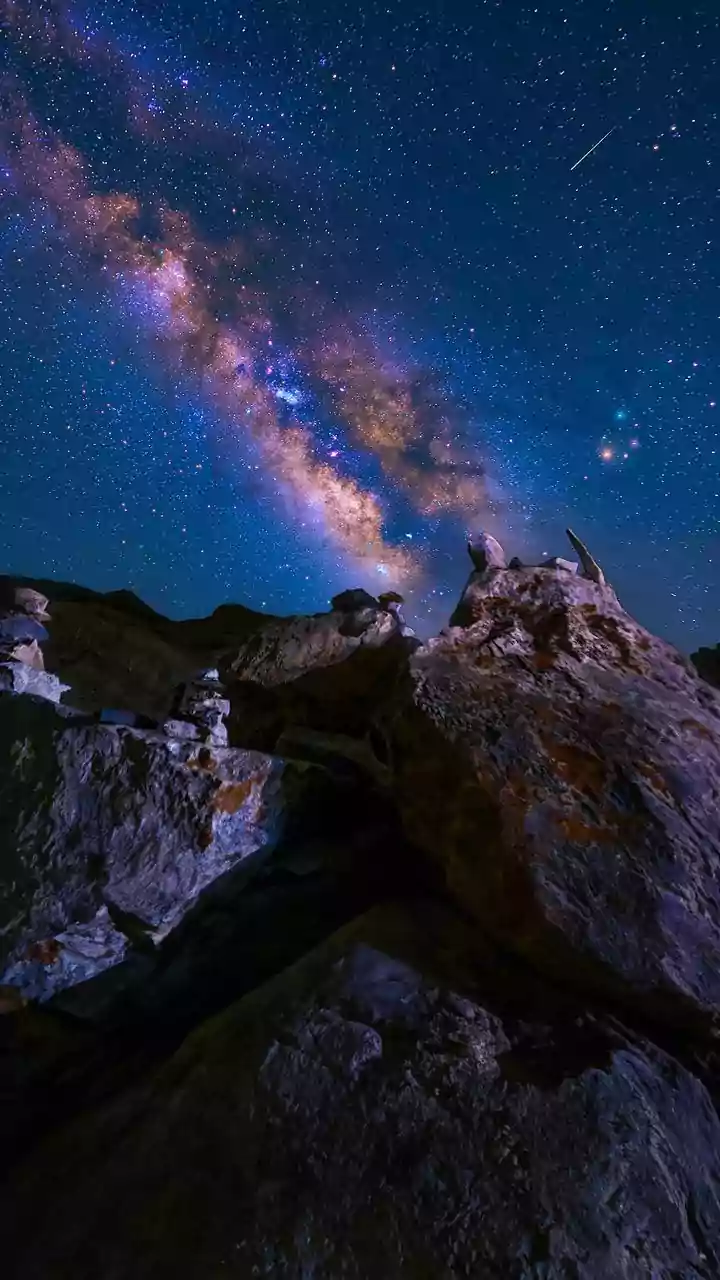
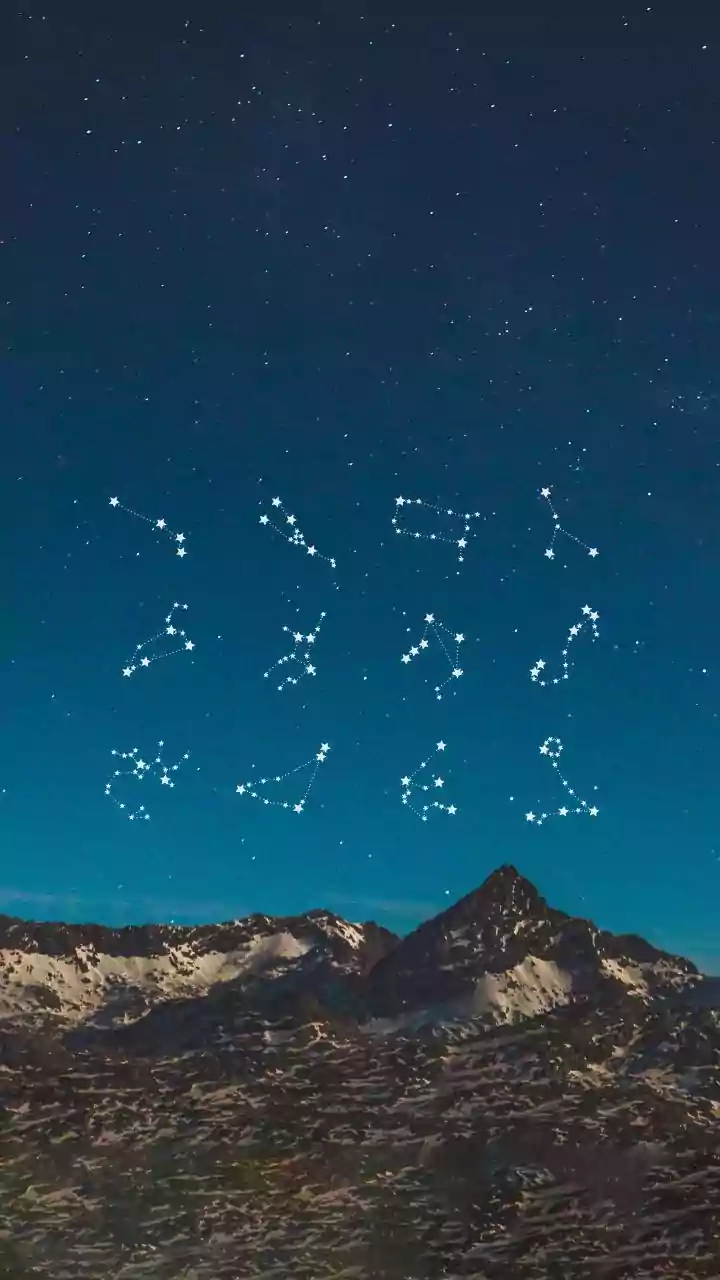
Look toward the southern horizon to find some classic August constellations. Sagittarius is famous for its “Teapot” asterism, a pattern that makes it look like a teapot pouring out the steam of the Milky Way. Just to the west lies Scorpius, with its bright, reddish star Antares, sometimes called the “rival of Mars” for its distinct color. Using binoculars to scan this part of the sky can be incredibly rewarding. This region is dense with deep-sky objects, including beautiful star clusters like the Butterfly Cluster (M6) and Ptolemy's Cluster (M7), which appear as fuzzy patches of light nestled in the glow of our galaxy.