


What Exactly Is Happening?
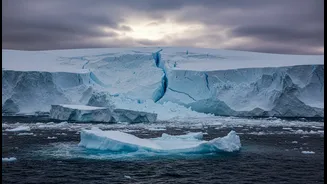
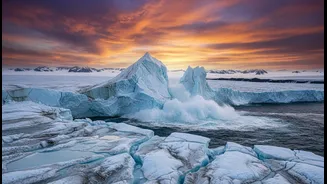
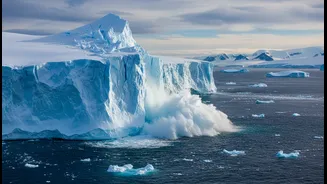
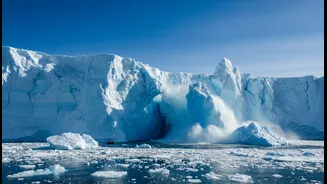
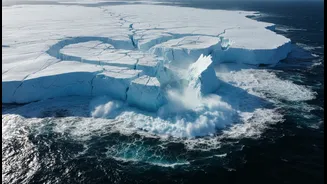
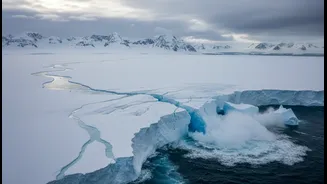
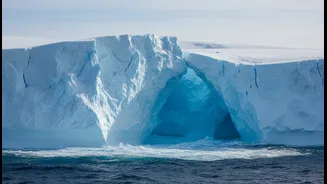
The core of the problem lies beneath the ice. Scientists have discovered that warm, deep ocean water is increasingly intruding under the continent's floating ice shelves. These shelves act like a cork in a bottle, holding back the colossal glaciers on land.
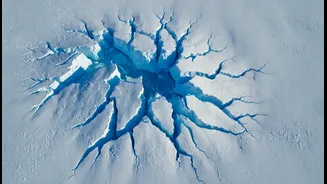
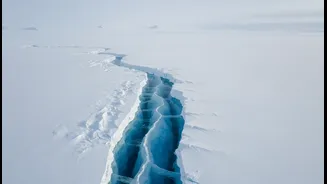
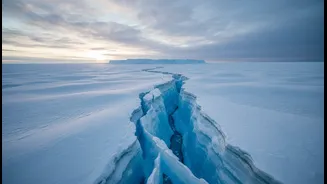
Recent studies, particularly around West Antarctica's Thwaites Glacier—dubbed the 'Doomsday Glacier'—show this warm water is not just melting the ice from below, but carving out vast channels and cavities. This process weakens the structural integrity of the ice shelves, making them more prone to cracking and collapse. One recent international research effort used underwater robots to get a first-hand look, confirming that seawater is funnelling deep beneath the glacier, accelerating its retreat in ways that are likely irreversible on a human timescale.
Why Is It Happening Faster Now?
Previous climate models had projections for this melt, but they may have underestimated a key process. Researchers have identified that the unique shape of the seafloor and the underside of the ice itself can create feedback loops. Long channels in the ice base can trap pockets of warm ocean water, preventing it from circulating away. This trapped heat intensely magnifies melting in concentrated areas, creating weak spots. This effect, which many current climate models do not fully account for, means our past projections of ice loss could be too conservative. As the planet warms, these incursions of warm water are expected to become more frequent and intense, creating a cycle where melting begets more melting.
Is All of Antarctica at Risk?
For a long time, scientists differentiated between the vulnerable West Antarctic Ice Sheet and the seemingly stable, much larger East Antarctic Ice Sheet. The West is particularly susceptible because much of its ice rests on bedrock that is below sea level. New findings, however, are challenging the idea of the East as a stable fortress. Research on the Fimbulisen Ice Shelf in East Antarctica has revealed the same dangerous process of warm water being trapped in sub-ice channels. While West Antarctica, especially the Thwaites and Pine Island glaciers, remains the primary concern for near-term, rapid ice loss, the 'sleeping giant' of East Antarctica is showing signs of waking up. This is a critical development, as the East Antarctic Ice Sheet holds enough ice to raise global sea levels by over 50 metres if it were to melt entirely.
The Ripple Effect for India and the World
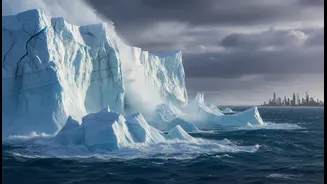
What happens in Antarctica does not stay in Antarctica. The continent's ice sheet currently holds around 60 metres of potential sea-level rise. The accelerated melt observed is already a major contributor to rising oceans. For a country like India, with a 7,500-kilometre coastline and numerous low-lying, densely populated cities like Mumbai, Kolkata, and Chennai, the threat is direct and existential. A United Nations report has previously warned that nearly 40 million Indians will be at risk from rising sea levels by 2050. Even a seemingly small increase can lead to more frequent and severe coastal flooding, contaminate freshwater sources, and displace millions. The changes in Antarctica are not a distant, abstract problem; they are a present and growing danger to coastal communities worldwide.