
For Support: Books as Yoga Blocks
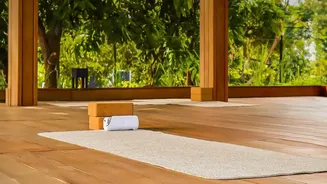
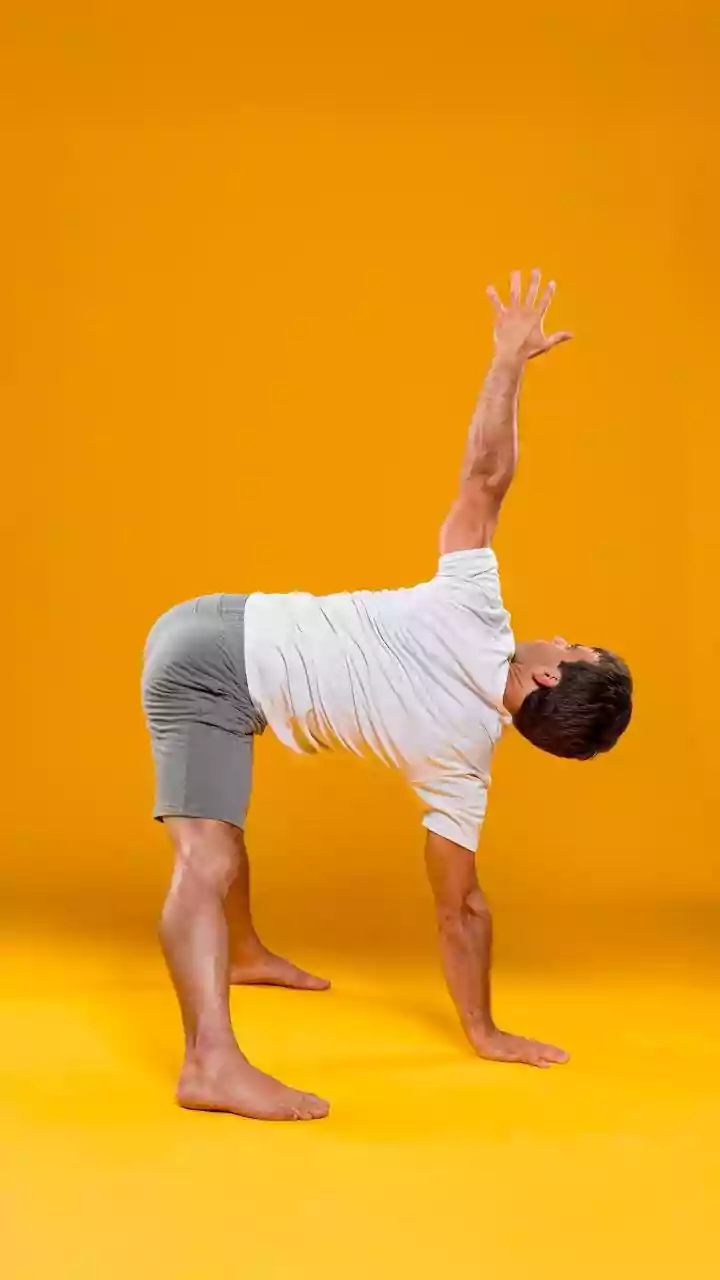
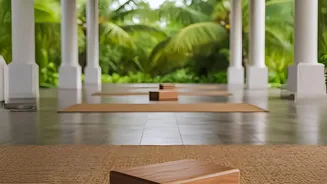
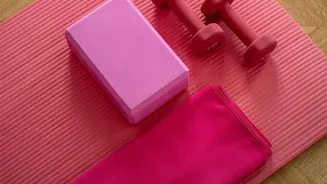
Yoga blocks are used to 'bring the floor closer to you', offering support in poses like Triangle (Trikonasana) or Half Moon (Ardha Chandrasana). Instead of buying cork or foam blocks, look to your bookshelf. A stack of sturdy, similar-sized books, like thick
hardcovers, works perfectly. Wrap them with a rubber band or twine to keep them secure. You can also use large canned goods or even an overturned, sturdy small trash can. These substitutes provide the stability needed to deepen your poses safely and find proper alignment without forcing flexibility.
For Comfort: Cushions and Blankets as Bolsters
A bolster is a dense pillow used to support the body in restorative and gentle yoga poses. They can be one of the pricier props to purchase, but substitutes are readily available. Firm couch cushions are an excellent alternative. You can also create a DIY bolster by tightly rolling two or three thick blankets or bath towels together and securing them with a belt or rope. This homemade version is perfect for placing under your knees in Savasana (Corpse Pose) or for support in a gentle backbend, allowing your body to relax completely.
For Reach: A Belt or Scarf as a Yoga Strap
Yoga straps help you extend your reach and achieve deeper stretches, especially in hamstring-focused poses. You don't need a special D-ring strap to get the benefits. A simple bathrobe tie, a long scarf, a necktie, or a sturdy cloth belt will do the trick. These items can help you gently pull your leg closer in a seated forward fold or hold onto your foot in a reclined hamstring stretch. The key is to use the strap to ease into the stretch, not to pull forcefully, ensuring you maintain control and avoid injury.
For Warmth: Your Favourite Throw as a Yoga Blanket
Yoga studios often provide blankets for warmth during final relaxation or for extra cushioning under the knees or hips. The good news is, any blanket you have at home will work beautifully. A soft throw from your sofa or a thick beach towel are perfect substitutes. Folded neatly, a blanket can provide gentle support under your seat in seated poses to help tilt the pelvis forward, or you can drape it over yourself to stay warm as your body cools down in Savasana. Comfort is key to a relaxing practice, and using a familiar blanket can enhance that feeling.
For Stillness: A Sock as an Eye Pillow
An eye pillow provides gentle pressure on the eyelids, blocking out light and encouraging deeper relaxation during Savasana. You can easily make your own. Simply fill a clean, soft sock with uncooked rice or flax seeds and tie it closed. You can even add a few drops of lavender essential oil to the filling for an aromatherapy benefit. If you don't have rice, a simple folded washcloth placed over your eyes can also help block out distractions and signal to your body that it's time to rest.
Setting the Sanctuary Scene
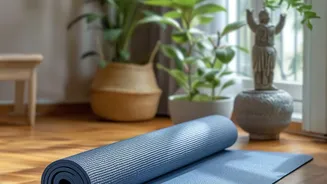
Props are only half the story; atmosphere is just as important. Creating a sanctuary is about engaging your senses to signal that it's time for yoga. Start by decluttering the space you intend to use, even if it's just a small corner of your room. Good lighting can shift the mood instantly; instead of harsh overhead lights, use a dim lamp or practice by candlelight. Introduce a calming scent with an incense stick or an essential oil diffuser. Finally, decide on sound—you might prefer a curated playlist of calming music, nature sounds, or the profound focus that comes with complete silence. These simple touches transform your space from just a room into a genuine retreat.