



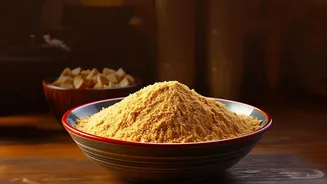
The Ancient Superfood: What is Sattu?
Sattu is a traditional Indian superfood that has been a dietary staple for centuries, especially in regions like Bihar, Jharkhand, and Uttar Pradesh. Often called the 'poor man's protein', this humble flour is made from roasted Bengal gram (chana) or a mix
of ground pulses and cereals. The process of dry roasting enhances its nutty flavour and, more importantly, preserves its rich nutritional profile, making it a powerhouse of wellness. While traditionally consumed as a cooling 'sharbat' during hot summers, its versatility is now being celebrated in modern kitchens.
A Nutritional Powerhouse
Sattu's reputation as a superfood is well-earned. It is an excellent source of plant-based protein, with some varieties containing around 20 grams of protein per 100 grams, making it fantastic for muscle repair and growth. It's also rich in dietary fibre, which aids digestion, promotes a feeling of fullness, and can help in weight management. Furthermore, sattu has a low glycemic index, meaning it releases energy slowly and helps in regulating blood sugar levels. It's packed with essential minerals like iron, magnesium, and calcium, supporting everything from energy levels to bone health.
From Sharbat to Smoothie Bowl
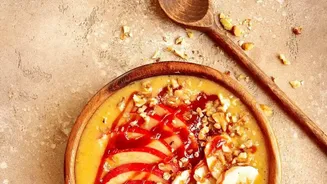
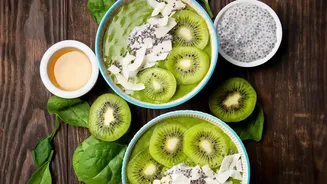
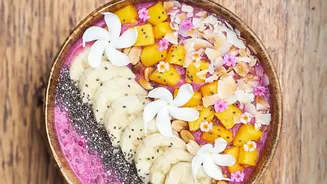
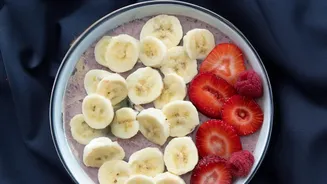
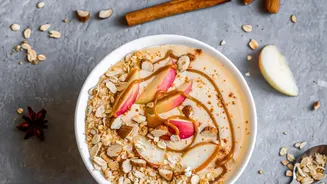
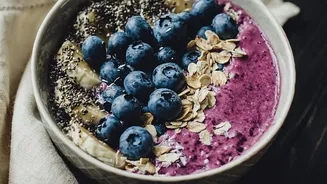
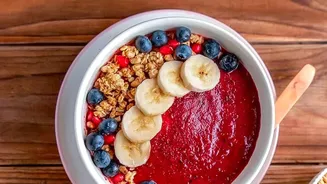
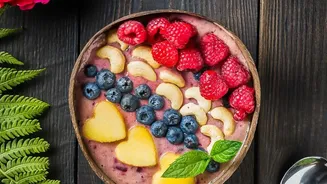
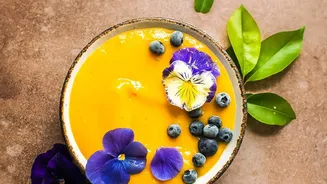
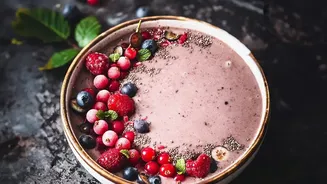
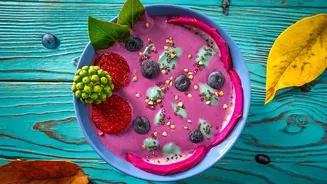
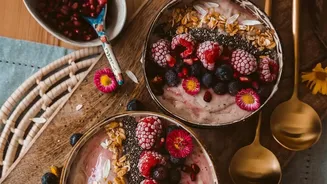
While the traditional sattu drink is simple and effective, transforming it into a smoothie bowl elevates it from a quick drink to a complete, satisfying meal. A smoothie bowl offers a thicker, spoonable texture that feels more substantial than a drink. The real magic, however, lies in the toppings. A wide base allows for an array of textures and flavours, adding not just crunch and visual appeal but also boosting the overall nutritional value with fruits, nuts, and seeds. This modern twist makes sattu more appealing for a leisurely breakfast or a post-workout refuel, turning a traditional ingredient into a trendy, health-forward meal.
Crafting the Perfect Base
The foundation of a great sattu smoothie bowl is a thick, creamy base. Achieving this is simpler than it sounds. The key is the ratio of liquid to solids. For one serving, start by blending 3-4 tablespoons of sattu flour with about 150-200 ml of liquid. You can use curd (yoghurt) for a traditional tangy flavour and added creaminess, or opt for milk or a plant-based alternative like almond or oat milk. To get that essential thick, soft-serve-like texture, always include a frozen element. A frozen banana is a classic choice as it adds natural sweetness and creaminess. You can also use frozen berries or mango chunks. Blend all ingredients until completely smooth. If it's too thin, add a little more sattu or a few ice cubes. If it's too thick, add a splash more liquid.
Recipe 1: The Classic Creamy Bowl
This recipe channels the traditional flavours of sattu into a rich and creamy bowl. In a blender, combine 4 tablespoons of sattu, half a frozen banana, 150 ml of chilled curd, and a tablespoon of jaggery or honey for sweetness. Blend until thick and smooth. Pour into a bowl. Now, for the toppings: add sliced fresh banana, a sprinkle of pomegranate seeds for a tart burst of flavour, and a handful of toasted almonds for crunch. This combination provides a perfect balance of protein, healthy fats, and carbohydrates.
Recipe 2: The Chocolate Protein Powerhouse
For those post-workout mornings or when a chocolate craving hits, this protein-packed version is ideal. Blend 4 tablespoons of sattu, one full frozen banana, 200 ml of almond milk, one tablespoon of unsweetened cocoa powder, and one soaked and deseeded date for natural sweetness. Pour the thick, chocolatey smoothie into a bowl. Top it with a drizzle of peanut butter for extra protein and creaminess, a sprinkle of chia seeds for omega-3s and fibre, and some cacao nibs for an intense chocolatey crunch without added sugar.
Pro Tips for Perfect Bowls
Customisation is key to loving your smoothie bowl. To boost the protein content further, consider adding a scoop of your preferred protein powder or a dollop of Greek yoghurt. For added fibre and healthy fats, blend in a tablespoon of flaxseeds or chia seeds. Don't be afraid to experiment with toppings; toasted coconut flakes, pumpkin seeds, fresh berries, and granola all add delightful texture and nutrients. If your sattu flour seems lumpy, whisk it with a small amount of water to form a smooth paste before adding it to the blender. And remember, a smoothie bowl is best served immediately to enjoy its thick texture before it melts.