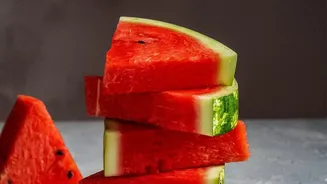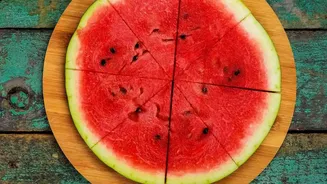


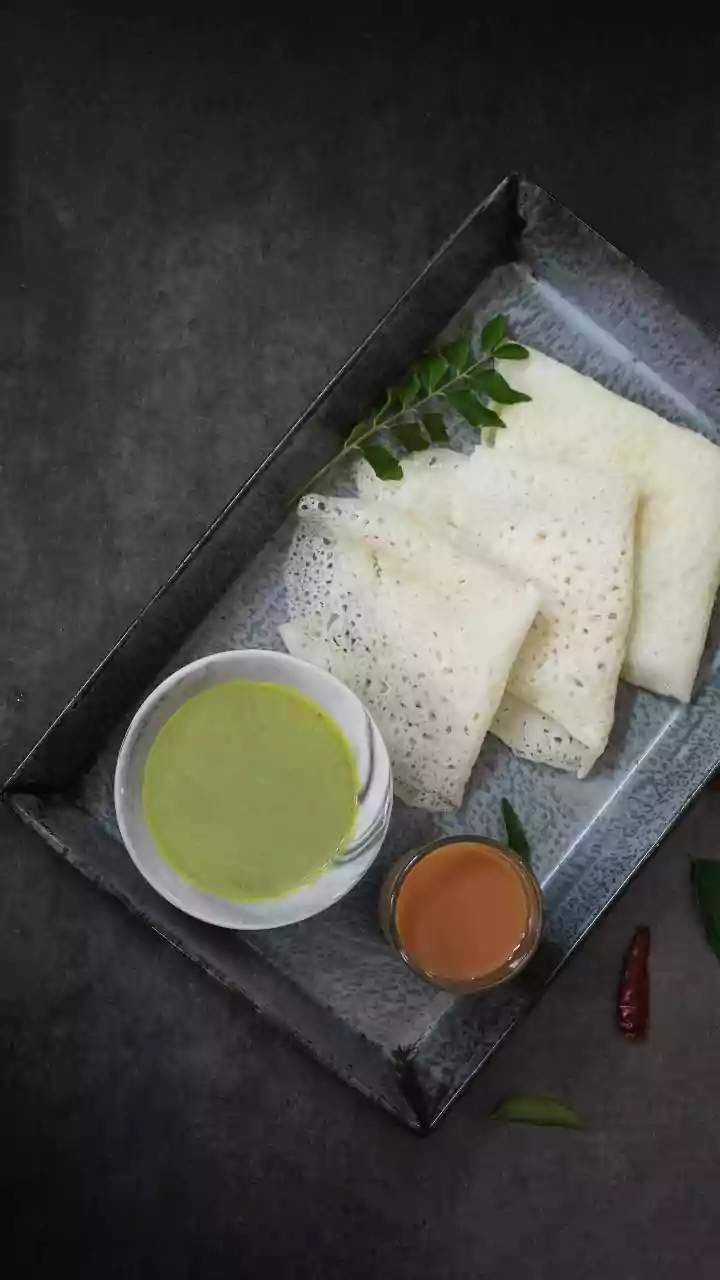




That thick, white watermelon rind you usually toss out is actually a versatile, nutritious, and delicious ingredient. Here’s a quick guide on why you should save it and how to prep it in just 10 minutes for your busy weekday meals.
The Case for Keeping the Rind
In the quest to reduce
kitchen waste and get more value from our produce, the humble watermelon rind emerges as an unlikely hero. Often discarded without a second thought, the white part of the rind is not only edible but also packed with surprising health benefits. It is a fantastic source of fibre, which aids digestion and helps you feel full longer. It also contains vitamins A, C, and B6, along with essential minerals like potassium and zinc. Furthermore, the rind is a notable source of citrulline, an amino acid that may improve blood flow and support heart health. By saving the rind, you're not just being economical; you're adding a nutrient-dense and low-calorie ingredient to your diet that has a satisfyingly crisp texture, similar to a cucumber or jicama.
The 10-Minute Dicing Method
The idea of tackling a whole watermelon rind can seem daunting, but with a sharp knife and a steady hand, you can have it prepped in about 10 minutes. The key is to work efficiently and safely. Start with a large piece of rind after you've enjoyed the sweet, red flesh. Place it on a stable cutting board. Use a vegetable peeler to remove the tough, dark green outer skin. Once peeled, you are left with the firm, white part of the rind. Slice this into planks about half-an-inch thick. Stack a few planks at a time and slice them lengthwise into sticks. Finally, gather the sticks and chop them crosswise to create uniform dice. With a bit of practice, this process becomes a quick, rhythmic part of your kitchen routine.
From Rind to Delicious Sabzi
One of the easiest and most flavourful ways to use your prepped watermelon rind is in a simple Indian stir-fry, or sabzi. Its texture holds up beautifully to heat, absorbing spices while remaining pleasantly firm. To make a quick sabzi, heat mustard oil in a pan and add mustard and cumin seeds. Once they splutter, toss in some asafoetida (hing), turmeric, and grated ginger. Add your diced watermelon rind and sauté on high heat for a few minutes until the edges start to get a slight char. You can also add chopped onions and bell peppers for more flavour and texture. Season with salt, red chilli powder, and coriander powder, then cook for another 5-7 minutes. The rind will become tender yet retain a bite. Finish with a squeeze of lemon juice and a garnish of fresh coriander. It's a fast, healthy, and delicious side dish that pairs perfectly with roti or dal-rice.
Beyond the Stir-Fry: More Ideas
Diced watermelon rind is incredibly versatile. Its mild flavour and crunchy texture make it a welcome addition to many dishes. A popular preparation in many parts of India is to make a pickle, or achaar. You can make a quick version by tossing the diced rind with mustard oil, split mustard seeds, chilli powder, and amchur (dry mango powder) for a tangy kick. For those with a sweet tooth, watermelon rind can be made into a murabba or preserve by simmering it in a sugar syrup until translucent. The diced rind can also be added to lentil dishes like dal, or incorporated into a South Indian-style 'majjige huli', a yogurt-based curry. You can even stir-fry it with Asian-inspired sauces like soy and ginger, treating it much like you would zucchini or carrots.
Storing for Weekday Ease
The beauty of this 10-minute prep is that you can do it over the weekend and have a ready-to-cook ingredient for the busy week ahead. Once diced, the raw watermelon rind can be stored in an airtight container in the refrigerator for up to five days. This makes it incredibly convenient to toss into a quick stir-fry, curry, or salad without any extra prep work on a hectic weeknight. For longer storage, you can freeze the diced rind. Spread the pieces in a single layer on a baking sheet and freeze until solid, then transfer them to a freezer-safe bag. They will last for several months and can be cooked directly from frozen, though they may have a slightly softer texture after thawing.