




Breakfast is a pivotal moment in managing your day with diabetes. Instead of an overhaul, think enhancement. Adding fibre-rich seeds is a simple, mindful step towards stable blood sugar levels and sustained energy. Let's explore five powerful options.
Why Fibre Is Your Breakfast Friend
For anyone managing diabetes, fibre is a non-negotiable ally. Dietary fibre, particularly the soluble kind found in many seeds, isn't broken down and absorbed by the body as sugar is. This means it doesn't cause a spike in blood glucose. Instead, soluble fibre often forms a gel-like substance in your stomach, which slows down digestion and the absorption of sugar into the bloodstream. Starting your day with a fibre-rich meal can help prevent sharp glucose spikes, promote a feeling of fullness to aid in weight management, and contribute to better heart health—a key consideration in diabetes care.
1. Chia Seeds: The Hydrating Fibre Hero
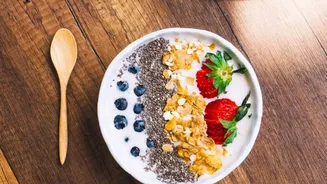
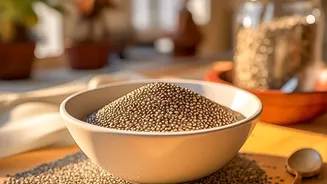
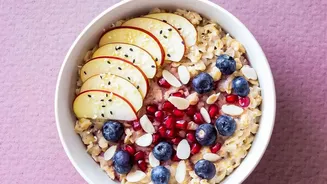
Don't be fooled by their tiny size; chia seeds are a nutritional powerhouse. A two-tablespoon serving packs an impressive 10 grams of fibre. This is mostly soluble fibre, which creates a gel when mixed with liquid, slowing digestion and helping to regulate blood sugar levels. This gelling action also helps you feel full for longer, which can be beneficial for weight management. Chia seeds are also a good source of omega-3 fatty acids, protein, and magnesium, which plays a role in insulin sensitivity. For an easy breakfast, stir them into dahi, blend them in a smoothie, or prepare an overnight chia pudding.
2. Flax Seeds: Ground for Maximum Benefit
Flax seeds, or 'alsi', are celebrated for their high fibre content and alpha-linolenic acid (ALA), a type of heart-healthy omega-3 fatty acid. The fibre in flax helps to slow sugar absorption, promoting better blood sugar control. Studies have shown that regular consumption may improve insulin sensitivity. To unlock their full benefits, it's best to consume flax seeds ground; your body can't easily digest the whole seeds. Try stirring a tablespoon of ground flaxseed into your morning oatmeal, mixing it into dosa or roti batter, or blending it into a smoothie for a nutty, fibre-rich boost.
3. Hemp Seeds: The Complete Protein Boost
Hemp seeds, or hemp hearts, stand out for their impressive protein content—around 9–10 grams in a three–tablespoon serving. Protein is crucial for satiety, helping you feel full and satisfied after your breakfast. While lower in fibre than chia or flax seeds, they still provide a good balance of healthy fats, vitamins, and minerals. Their nutty, slightly sweet flavour makes them a versatile addition to any meal. Sprinkle them over eggs, mix them into yoghurt, or blend them into smoothies for an easy protein and nutrient lift without significantly impacting blood sugar levels.
4. Pumpkin Seeds: A Magnesium–Rich Crunch
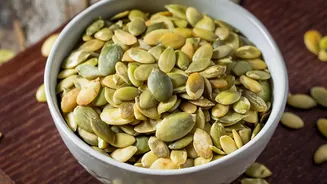
Pumpkin seeds are not just a crunchy snack; they are a fantastic source of magnesium, a mineral vital for regulating blood sugar and improving insulin function. People with higher magnesium intake often have a lower risk of developing type 2 diabetes. These seeds also provide a healthy dose of fibre, protein, and unsaturated fats, which contribute to steady energy levels. Their low glycemic index means they won't cause sharp glucose spikes. For a savoury twist, try sprinkling roasted, unsalted pumpkin seeds over poha, upma, or avocado toast for added texture and nutrients.
5. Sunflower Seeds: Vitamin E and Healthy Fats
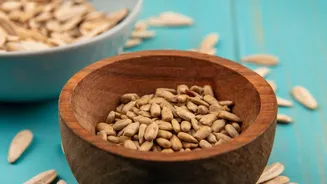
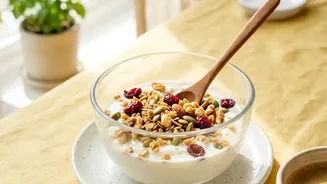
Sunflower seeds offer a healthy dose of polyunsaturated and monounsaturated fats, along with protein and fibre, which work together to slow digestion and maintain stable blood sugar. They are also one of the best dietary sources of vitamin E, a powerful antioxidant that helps combat inflammation, a concern often linked with diabetes. Their mild, nutty flavour makes them easy to incorporate into your diet. Add a small handful of unsalted sunflower seeds to your morning cereal, sprinkle them over a bowl of fruit and yoghurt, or mix them into a homemade trail mix for a satisfying crunch.