





The new travel itinerary isn't just a list of places; it's a calendar of events. A growing number of travellers are bypassing classic sightseeing, instead planning entire trips around festivals to find something deeper: the true character of a place.
Beyond the Monument Checklist
For generations, travel was often defined by a checklist of monuments, museums, and postcard-perfect viewpoints. While these landmarks are historically significant, many modern travellers feel they offer only a surface-level glimpse of a destination. The search is on for more authentic, uncurated experiences that go beyond the predictable tourist trail. This has led to a major shift in travel planning, where the ‘why’ and ‘when’ are becoming more important than the ‘where’. Instead of just seeing a place, people want to feel it, and festivals have become the perfect gateway to that feeling. Reports show a significant rise in experience-led holidays, with many travellers now planning their journeys around specific cultural events.
A Concentrated Dose of Culture
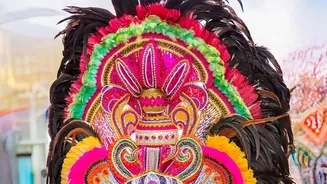
A festival is a destination in its most concentrated form. It’s a living, breathing exhibition of a community's history, values, art, and soul. Think of the Hornbill Festival in Nagaland, which single-handedly draws a massive influx of visitors each December. It’s more than just a spectacle; it’s an immersive showcase of the traditions, dance, food, and identity of the Naga tribes. Similarly, attending Durga Puja in Kolkata isn't about visiting a city; it’s about stepping into a city-wide celebration where art, devotion, and community spirit merge on every street. These events offer a front-row seat to traditions that have been passed down for generations, providing a level of understanding that a museum exhibit simply cannot match.
From Spectator to Participant
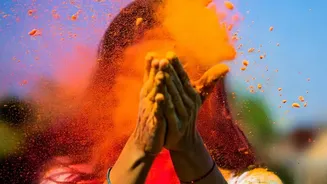
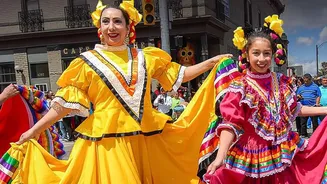
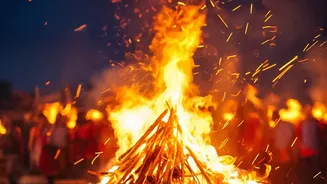
One of the most powerful aspects of festival travel is the breakdown of the barrier between tourist and local. At a traditional attraction, you are an observer. At a festival, you are a participant. Whether you're throwing colours during Holi, dancing in a parade at the Rio Carnival, or sharing a meal during Onam, you are part of a shared experience. This communal energy creates a profound sense of connection, not just to the place but to its people. It’s in these moments of shared joy, ritual, and celebration that travellers find the human element they crave, transforming a simple trip into a collection of lasting, meaningful memories.
A Feast for the Senses
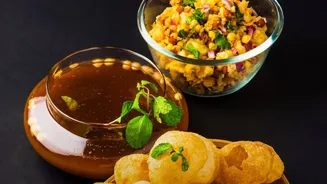
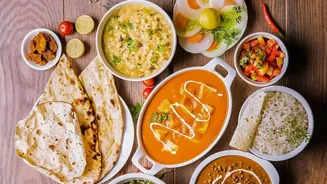
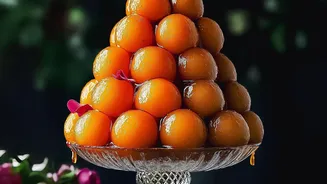
The character of a place is often found in its sensory details—the taste of its food, the sound of its music, the colours of its streets. Festivals are a feast for all five senses. They offer a chance to taste traditional dishes and celebratory meals that might not be available at other times of the year. They immerse you in local music and dance, from folk performances to contemporary concerts. The visual spectacle of events like the Deepotsav in Ayodhya, with millions of diyas lighting up the Saryu River, or the vibrant floats of the Goa Carnival, creates an intense and unforgettable atmosphere. This sensory immersion is powerful, creating deep emotional imprints that define the memory of a place.
The Rise of Experience-First Travel
Ultimately, the trend of festival tourism is part of a larger movement towards what experts call 'experiential travel'. Travellers, particularly younger generations like Gen Z, are increasingly prioritising unique experiences over material possessions. Social media also plays a role, creating a sense of urgency and discovery around events that look unmissable. This has fundamentally reversed the travel planning process for many. It no longer starts with asking, “Where should I go?” Instead, it begins with, “What do I want to experience?” The festival provides the anchor, and the destination becomes the stage for a deeply personal and culturally rich adventure.