





The New Travel Rhythm: More Often, But Shorter
The traditional concept of saving up all your leave for a single, long holiday is being replaced by a more dynamic approach to travel. Recent reports show a significant shift in the habits of young Indian travellers, particularly Gen Z. According to a 2026
Airbnb report, seven out of ten Gen Z travellers would rather take three short trips than one long one. An Agoda report from the same year reinforces this, finding that 72% of Indian Gen Z travellers choose trips lasting between one to seven days. This trend, often called 'micro-cations' or 'mini-breaks', involves short, two-to-four-day trips, often planned around a weekend to minimise time off work. Instead of being a once-a-year event, travel is becoming an ongoing lifestyle choice, woven into the fabric of everyday life.
Why Spontaneity Is Winning
Several factors are driving this move towards spontaneous travel. Busy professional lives and demanding schedules make it difficult to plan and take long leaves. A quick getaway offers a much-needed refresh without the logistical complexities of a major holiday. In fact, a Booking.com survey revealed that 58% of Indian travellers have taken a trip 'just because they wanted to', without a major event or milestone as a trigger. This spontaneity is enabled by technology; booking apps and a wealth of online information make last-minute planning feasible. The numbers show this clearly, with 66% of Gen Z travellers booking their trips just days or weeks in advance. It’s a move away from rigid itineraries, with 64% deliberately leaving parts of their trip unplanned to allow for organic exploration.
The 'Work From Anywhere' Influence
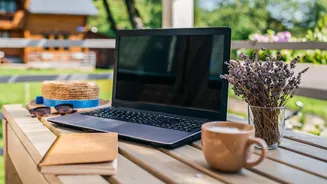
The rise of remote and hybrid work models has been a major catalyst for this trend. The ability to work from a location other than a traditional office has blurred the lines between work, life, and travel. This has given rise to the 'workation', where individuals travel to a destination and continue their professional duties from there. Destinations that were once purely for holidays are now becoming temporary workplaces, thanks to improved internet connectivity and infrastructure across the country. This flexibility allows young professionals to escape their routine and change their scenery without dipping into their vacation days, making short, frequent trips more accessible than ever.
Experiences Over Sightseeing Checklists
For the younger generation, the 'why' of travel is shifting from seeing a place to experiencing it. A recent Airbnb report found that 95% of Gen Z travellers want their trip to feel personal and unique, not like a pre-planned, typical holiday. This generation values authentic moments over ticking off famous attractions. The motivation for a trip might be a food trail, a music festival, a wellness retreat, or simply the desire to stay in a unique homestay. According to one travel expert, the question is moving from “Where should I go?” to “What do I want to experience?”. This focus on personal fulfilment means that even a short trip can be deeply satisfying if it aligns with a traveller's passions, be it adventure, relaxation, or cultural immersion.
Budget-Friendly and Accessible Adventures
Spreading travel across several shorter trips can also be more manageable financially than funding one large, expensive holiday. These quick escapes often focus on domestic destinations, which are more accessible and affordable. Instead of long-haul flights, young travellers are exploring hill stations, beach towns, and heritage sites a short drive or train ride from major metro cities. Think of weekend drives from Delhi to the mountains of Uttarakhand, from Mumbai to the serene beaches of the Konkan coast, or from Bengaluru to the coffee estates of Coorg. This approach not only makes travel more frequent but also promotes the exploration of India's own diverse landscapes and cultures. With many young people travelling with partners (57%) or solo (22%), the focus is shifting away from large, expensive family-led vacations towards more independent and flexible travel styles.