




Feeling bloated or sluggish? Your gut might be trying to tell you something. Discover how ancient dietary wisdom and traditional fermented foods can offer a natural solution to modern digestive woes and daily inflammation.
Understanding the Gut Microbiome
Before diving into the world
of fermented foods, it’s helpful to understand what’s happening inside your gut. Your digestive system is home to trillions of microorganisms, including bacteria, fungi, and yeasts, collectively known as the gut microbiome. This bustling internal ecosystem is crucial for everything from digestion and nutrient absorption to immune function and even mood regulation. When the balance of 'good' and 'bad' bacteria is disrupted, it can lead to issues like bloating, discomfort, and inflammation. A diverse and balanced microbiome is a cornerstone of overall health.
The Ancient Magic of Fermentation
Fermentation is a natural process where microorganisms like bacteria and yeast break down sugars and starches in food. This method has been used for centuries across cultures to preserve food, enhance flavour, and improve its nutritional profile. During fermentation, these beneficial microbes produce compounds like lactic acid, which not only acts as a preservative but also gives fermented foods their characteristic tangy taste. More importantly, this process creates a rich source of probiotics—live, beneficial bacteria that are key to a healthy gut.
Probiotics: Your Gut's Best Allies
The primary way fermented foods help manage digestive strain is by delivering a healthy dose of probiotics. These 'good' bacteria help restore balance to your gut microbiome, crowding out harmful microbes that can cause trouble. Probiotics aid in breaking down complex carbohydrates and other food components that your body might struggle to digest on its own, which can ease symptoms like gas and bloating. Furthermore, they contribute to a stronger gut barrier, which is essential for preventing toxins and pathogens from entering the bloodstream and causing systemic inflammation.
Reducing Inflammation and Boosting Nutrients
Chronic inflammation is linked to numerous health issues, and research suggests a strong connection between gut health and inflammatory responses. Consuming fermented foods has been shown to reduce inflammatory markers in the body. These foods modulate the immune system, leading to a more controlled and less reactive state. Fermentation also unlocks additional nutritional benefits by making vitamins and minerals more bioavailable, meaning your body can absorb and use them more effectively. For instance, some fermented foods are excellent sources of vitamins B12 and K.
Traditional Indian Fermented Foods to Try
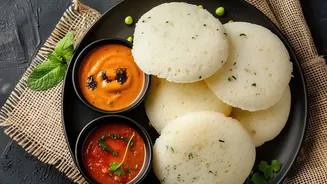
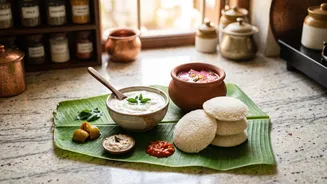
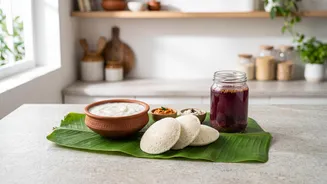
You don't need to look far to find powerful fermented foods; many are staples in Indian kitchens. Dahi (curd) is one of the most common, packed with live cultures that can soothe acidity and improve nutrient absorption. The batter for Idli and Dosa is another powerhouse, as the fermentation process makes the rice and lentils easier to digest. Kanji, a traditional North Indian drink made from black carrots and mustard seeds, is loaded with antioxidants and probiotics that aid in gut cleansing. Even homemade, sunfermented pickles (not the vinegarbased kind) can add beneficial microbial diversity to your diet.