




More Than Just Green Decor
Placing a plant on your desk is about more than just aesthetics; it's a simple way to practice biophilic design, which is the concept of connecting with nature in our indoor environments. Studies have suggested that interacting with indoor plants can
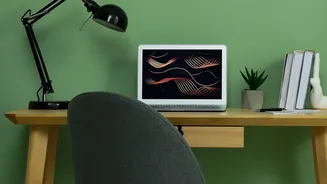
help reduce stress and increase a sense of well-being. In a small space like a bedroom, where your desk might double as a nightstand or vanity, adding a living element can make the area feel less utilitarian and more like a calming personal retreat. A small plant can help soften the hard lines of technology and furniture, creating a more peaceful and focused atmosphere.
A Realistic Look at Air Purification
Both snake plants and pothos are famously cited for their air-purifying qualities, a claim that originates from a 1989 NASA study. This research found that certain houseplants could remove volatile organic compounds (VOCs) like benzene and formaldehyde from sealed chambers. However, it's important to have realistic expectations. A typical room has far more air volume and ventilation than a sealed lab, so the air-cleaning effect of a few plants is considered negligible by many scientists today. While a snake plant won't replace a mechanical air purifier, it's still a fantastic addition. Think of any air-purifying benefit as a minor bonus to its primary role as a beautiful, low-stress decorative object.
The Unkillable Snake Plant
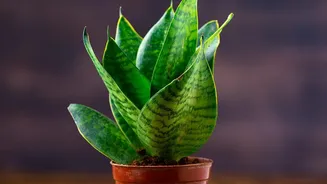
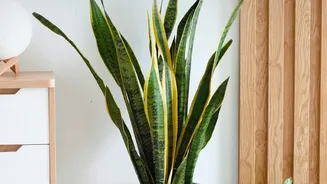
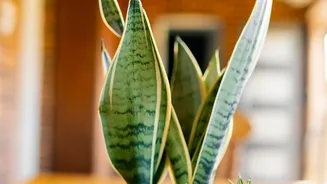
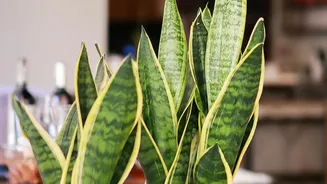
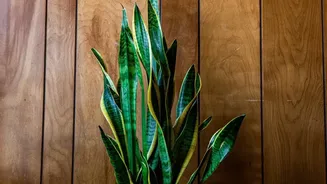
The snake plant (Dracaena trifasciata, formerly Sansevieria) is the champion of low-maintenance greenery. Its tough, architectural leaves store water, meaning it can tolerate infrequent watering. What makes it truly special is its use of Crassulacean acid metabolism (CAM) photosynthesis, which allows it to release oxygen at night. While the volume is too small to significantly impact your room's oxygen levels, this unique trait has made it a popular choice for bedrooms. For a desk, you don't want a plant that grows several feet tall. Look for compact varieties like the 'Bird's Nest' (Sansevieria hahnii) or 'Futura Superba', which stay short and form a tight, attractive rosette shape perfect for small surfaces.
Snake Plant Care Made Simple
Caring for a snake plant mostly involves leaving it alone. The most common mistake is overwatering, which leads to root rot. Only water the plant when the soil has completely dried out. For a small desk plant, this could be as infrequent as every 2-4 weeks. They are often marketed as 'low light' plants, and while they tolerate it, they do best in bright, indirect sunlight. An office or bedroom with a window is usually sufficient. Since they prefer to be root-bound, you won't need to repot them for years. A word of caution: snake plants are mildly toxic if ingested, so keep them out of reach of curious pets and children.
The Forgiving Pothos
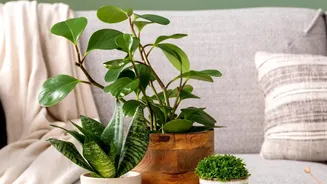
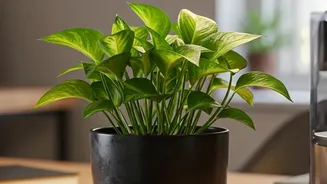
Pothos (Epipremnum aureum) is another all-star for beginners. Known for its beautiful, heart-shaped leaves and long, trailing vines, it's incredibly resilient and communicates its needs clearly. If you forget to water it, the leaves will visibly droop, but they'll perk right back up within hours of a good drink. Like the snake plant, pothos was included in NASA's study and is known to remove certain airborne toxins in lab settings. Its fast-growing nature gives it a large leaf surface area, making it a great decorative filler for any space.
Pothos Care and Desk Styling
Pothos is just as easy to care for as a snake plant. It thrives in bright, indirect light but can easily adapt to lower light levels, though its growth may slow. Water it thoroughly when the top few inches of soil are dry, and always use a pot with good drainage to prevent root rot. The trailing habit of pothos makes it perfect for styling a desk. You can place it on a small shelf above your desk and let the vines cascade down, or use small, clear wall hooks to train the vines around your workspace, adding a frame of greenery without taking up precious surface area. Like snake plants, pothos is toxic to pets if ingested, so be mindful of placement.