


The Great Monsoon Escape
For many residents of India's Silicon Valley, the monsoon isn't something to be endured indoors. Instead, it’s a signal to escape. The destination, more often than not, is Kodagu, or Coorg, the verdant jewel of the Western Ghats. This seasonal migration
has become a modern tradition for Bengalureans tired of traffic-clogged, water-logged streets. They seek a different kind of wet: one that washes over coffee plantations, feeds majestic waterfalls, and hangs in the air as a cool, clean mist. The contrast is the appeal. It's a deliberate exchange of concrete for chlorophyll, of deadlines for drifting clouds. The journey is a release valve for a city that runs on high pressure, and Coorg in the rains is the ultimate decompression chamber.
A Journey Through Changing Greens
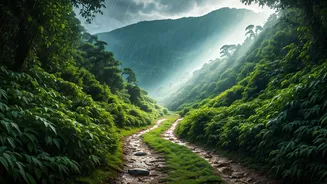
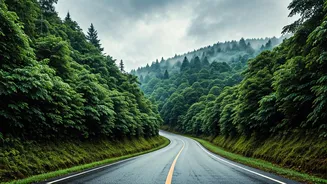
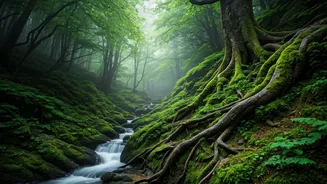
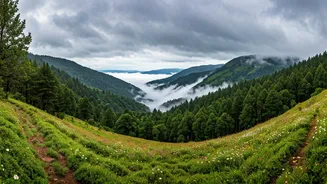
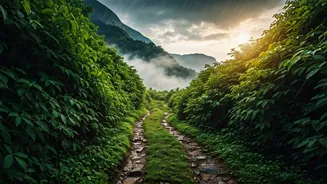
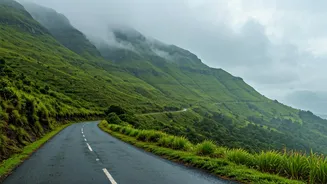
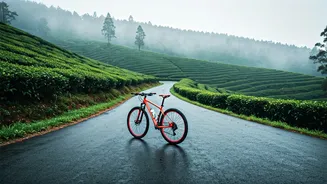
The drive from Bengaluru to Coorg is a transformation in itself. The urban sprawl slowly gives way to the rustic landscapes of Ramanagara and the sugarcane fields around Mandya. But the real shift happens after Mysuru, as the highway begins to snake into the Ghats. The air grows cooler, the scent of wet earth and dense foliage fills the car, and the relentless grey of the city is replaced by a thousand shades of green. This is where the holiday truly begins. Roadside stalls selling hot filter coffee and Maddur vadas become essential pit stops. Each turn on the winding roads reveals another valley shrouded in mist or a sudden, fleeting waterfall cascading down a rock face. The journey isn't just a means to an end; it's a slow, deliberate shedding of urban anxiety, one kilometre at a time.
The Scotland of India, Drenched
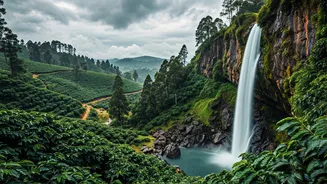
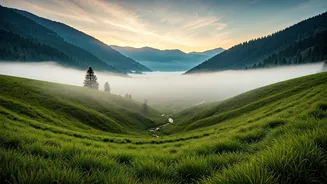
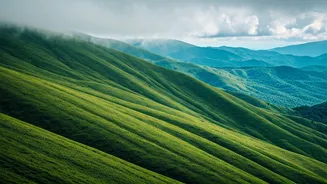
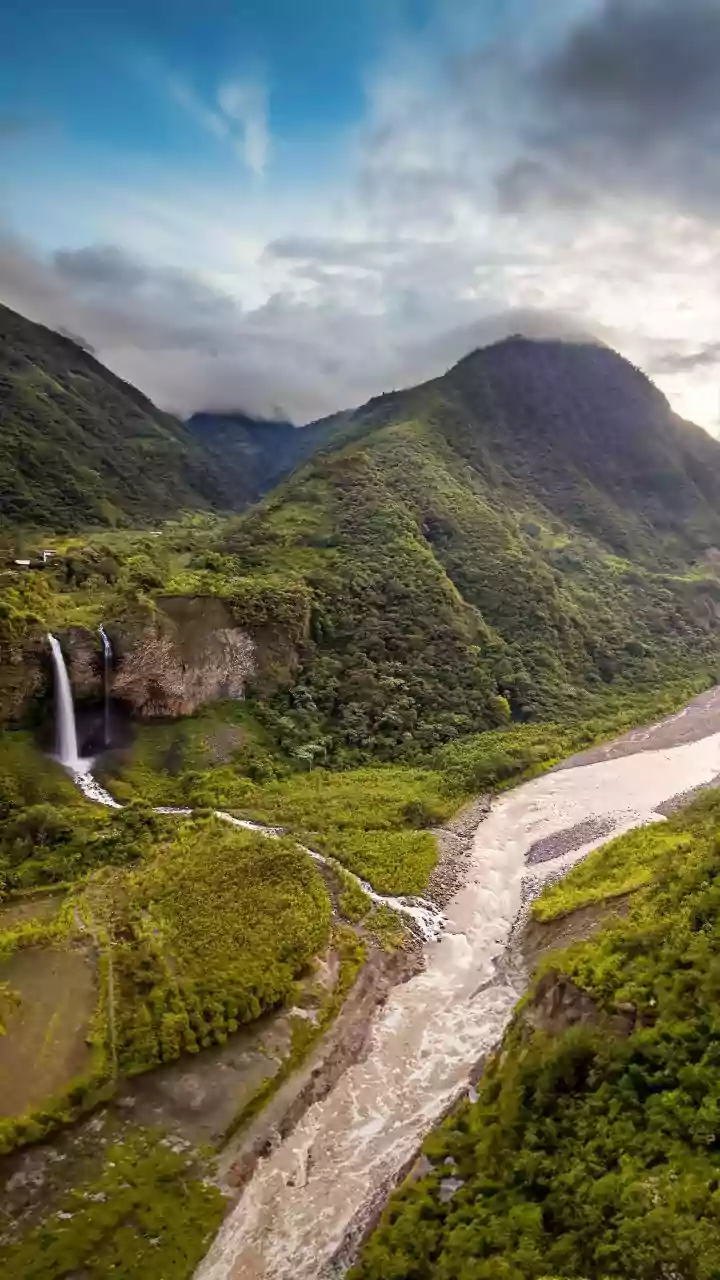
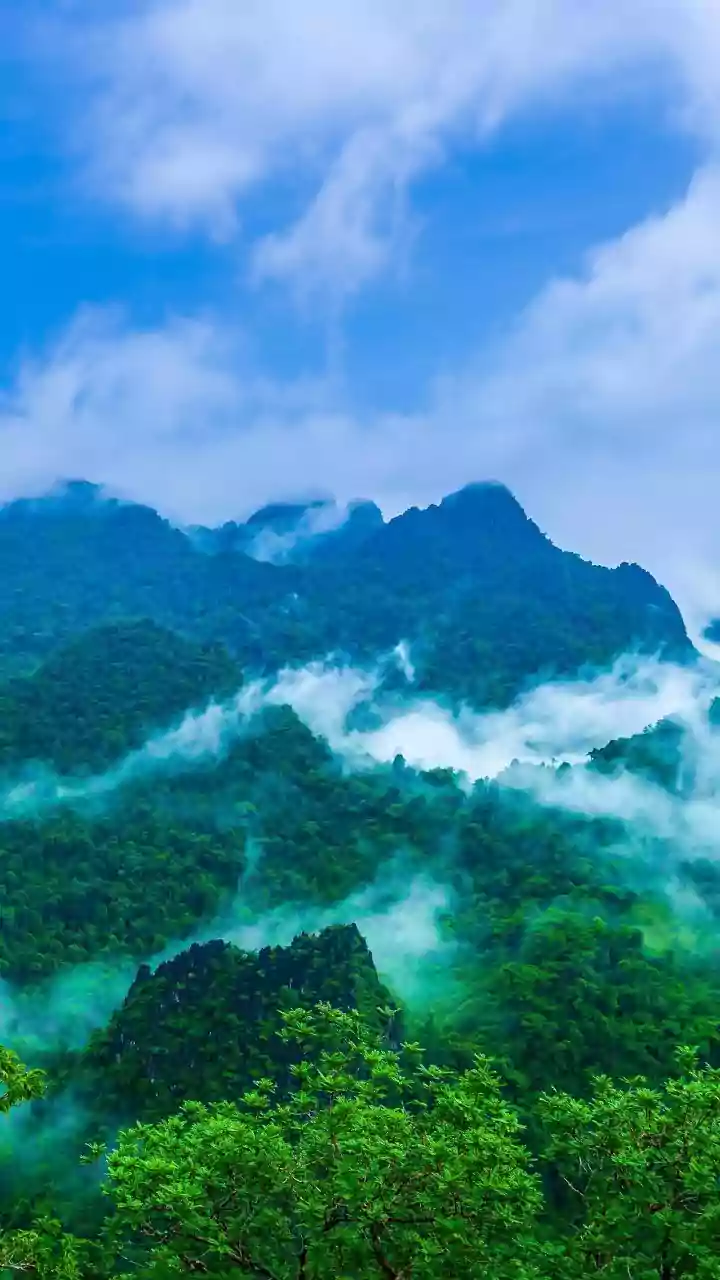
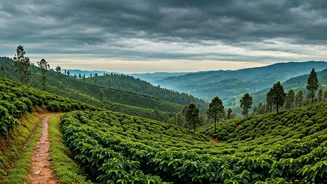
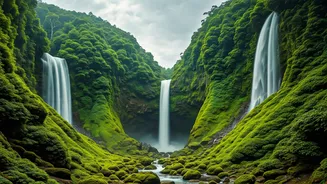
Coorg’s nickname, 'The Scotland of India,' feels most potent during the monsoon. The rolling hills, often compared to the Scottish Highlands, are at their most dramatic when veiled in low-hanging clouds. The rains breathe life into the landscape, turning trickles into torrents. Abbey Falls, a popular tourist spot, becomes a thunderous spectacle, its spray drenching the viewing bridge. The lesser-known Iruppu Falls, nestled within a forest, offers a more spiritual experience. For the adventurous, a jeep ride to the peak of Mandalpatti is a must. Driving through clouds on a rugged trail to emerge above a sea of white mist is an experience that defines the monsoon trip. The coffee estates, the heart of Coorg's economy and identity, are impossibly lush. Walking through them, with raindrops clinging to every leaf, is a sensory delight.
Finding Solace in Homestays and Cuisine
While the views are breathtaking, the true soul of a Coorg monsoon experience is often found indoors, within the warmth of a homestay. The region is famed for its hospitality, with many ancestral homes and plantation bungalows converted into welcoming retreats for travellers. Here, you can sit on a veranda, a cup of freshly brewed coffee in hand, and simply watch the rain fall for hours. It’s a forced slowdown that modern life rarely permits. This is also where you discover the unique flavours of Kodava cuisine. The cool, damp weather is perfect for savouring spicy, flavourful dishes like Pandi Curry (pork curry), Kadambuttu (steamed rice dumplings), and bamboo shoot preparations. The food is as much a part of the landscape as the mist and the coffee.
Navigating the Popularity Paradox
The headline's mention of 'crowds' is the other side of this beautiful coin. Coorg’s popularity, especially on long weekends, means that the main towns like Madikeri can get congested, and popular viewpoints can be busy. Does this ruin the 'calm'? Not necessarily. The beauty of Coorg is its vastness. The key is to look beyond the most famous spots. True tranquility can be found by choosing a homestay away from the town centre, exploring unmarked trails, or simply waking up early to have the misty morning to yourself. The shared experience of seeking beauty in the rain creates a sense of community among travellers, but finding your own quiet corner of this rain-soaked paradise is the real prize. The calm is there for the taking, even amidst the crowd.