


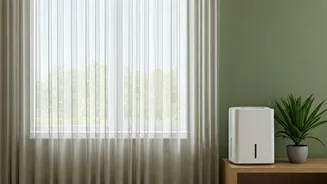




Improve Air Circulation
One of the simplest yet most effective ways to combat humidity is to improve the airflow in your home. Trapped air holds moisture, so promoting circulation is key. [10] Whenever the weather allows, open windows on opposite sides of a room to create a cross-breeze.
[9] This simple act helps push stale, moist air out and pull fresher, drier air in. [9, 16] Ceiling fans are also excellent tools for keeping air moving, preventing moisture from settling in corners and behind furniture. [8, 10] Even just keeping interior doors open can help balance humidity levels throughout your house. [5]
Use Exhaust Fans Strategically
Your kitchen and bathroom are major sources of indoor humidity from cooking and showering. [7] Make it a habit to run the exhaust fan every time you cook or bathe to pull steam and moisture out of the room before it can spread. [2, 6] For best results, let the fan run for at least 15-20 minutes after you're done to clear any lingering water vapour. [3, 8] Regularly cleaning your exhaust fans from dust and grime ensures they operate efficiently, providing maximum benefit. [23]
Embrace Natural Dehumidifiers
For enclosed spaces like wardrobes, cabinets, and shoe racks where airflow is limited, natural moisture absorbers can be a game-changer. Both charcoal and rock salt are excellent at pulling moisture from the air. [21, 22] You can create a simple DIY dehumidifier by placing charcoal briquettes in a can with holes punched in the lid. [11, 22] Alternatively, fill a bowl with rock salt or baking soda and place it in a damp corner; you’ll be surprised how much moisture it collects. [11, 13, 19] These are great, low-cost solutions for targeting problem spots. [9, 10]
Choose the Right Indoor Plants
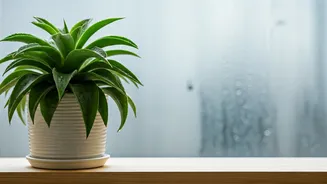
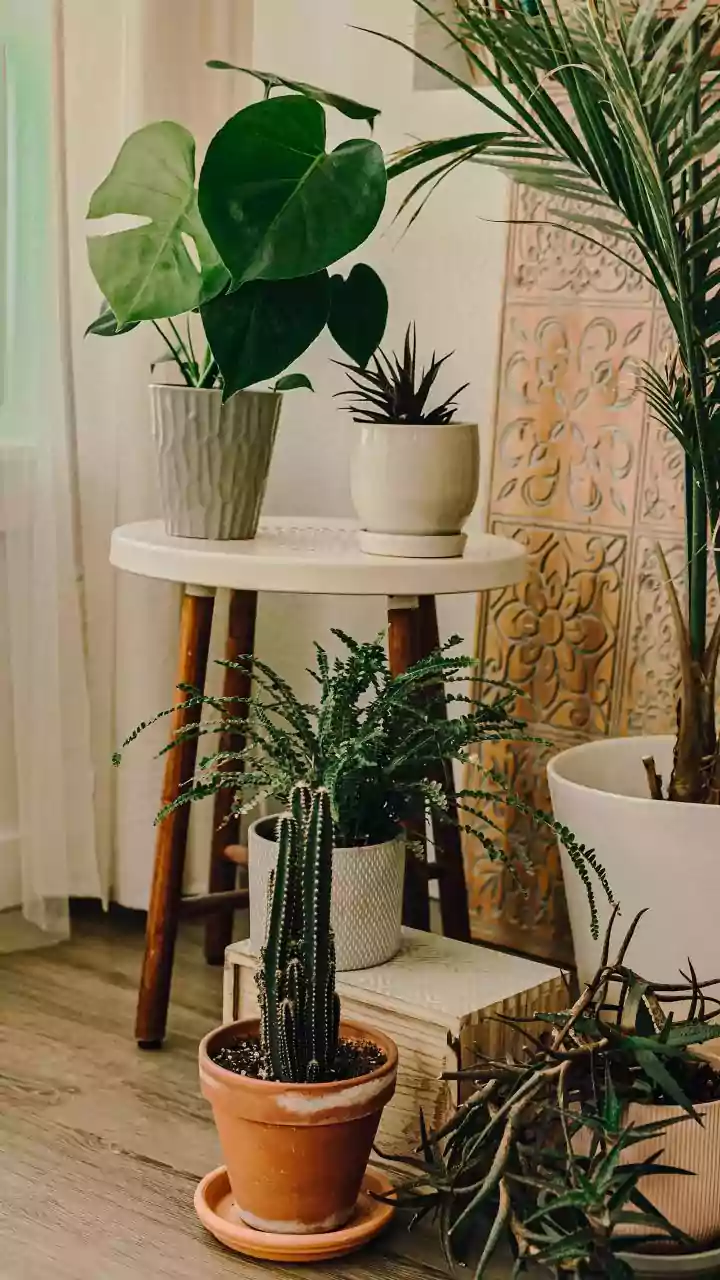
Certain houseplants act as natural dehumidifiers by absorbing moisture through their leaves. [9, 13] Peace Lilies, Spider Plants, Boston Ferns, and English Ivy are all effective choices for helping to reduce indoor humidity levels. [4, 15] Not only do they help manage dampness, but they also purify the air, making your home healthier. [17, 18] Place them in areas prone to dampness, like bathrooms or kitchens, to get the most benefit. [4, 17] However, be careful not to overwater them, as that can add to the problem.
Run Your Air Conditioner on 'Dry' Mode
Your air conditioner is a powerful tool against humidity. While its main job is to cool the air, it also naturally removes moisture in the process. [2, 5] For an extra boost, many modern AC units have a 'Dry' or 'Dehumidify' mode. This setting focuses specifically on removing water vapour from the air without over-cooling the room, making it a very efficient way to increase comfort during damp, rainy weather. [13] Setting your thermostat to 'Auto' rather than 'On' also helps, as it prevents the fan from circulating moist air when the cooling cycle isn't running. [5]
Check for and Seal Leaks
Humid air can easily seep in through gaps and cracks around windows and doors. [6] Take some time to inspect these areas, especially before the monsoon season. Use caulk or weatherstripping to seal any openings you find. [5] Also, check for any water leaks from pipes or the roof, as these are major contributors to indoor dampness. [5, 9] A well-sealed home not only keeps humidity out but also improves your energy efficiency.
Consider a Dehumidifier for Serious Issues
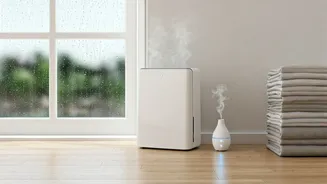
If you live in a particularly humid climate or have persistent dampness in areas like a basement, investing in an electric dehumidifier might be the most effective solution. [2, 6] These appliances are designed specifically to pull large amounts of moisture from the air, helping to maintain an ideal humidity level between 30% and 50%. [5, 6] This can prevent mould growth, protect your furniture from damage, and make your home significantly more comfortable. [5]