






A Monsoon of Extremes
The 2026 southwest monsoon season has been a story of stark contrasts. Overall, cumulative rainfall for the country from June to mid-September is tracking significantly below normal, with a deficit of around 15%. This figure, however, masks a more complex
reality of spatial distortion. While some regions in northwest India received large excess rains on certain days, vast swathes of central and southern India faced significant deficiencies. This uneven distribution is a major concern. For example, Meghalaya, paradoxically one of the wettest places on Earth, has recorded a massive rainfall deficit this season. This pattern of below-normal rain is attributed to a strengthening El Niño phenomenon, which is known to weaken monsoon winds. Forecasters had predicted a below-normal September, which is proving to be accurate, setting the stage for a challenging post-monsoon period.
The Crucial Role of Soil Moisture
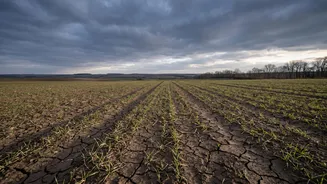
The final monsoon rains are vital for one simple reason: soil moisture. Think of it as nature's advance deposit of water for the upcoming Rabi, or winter, crop season. These crops, including staples like wheat, gram (chana), and mustard, are sown from October onwards and rely heavily on the moisture left in the ground by the retreating monsoon for germination and early growth. A deficit in September rainfall directly translates to lower soil moisture levels. With nearly 45% of districts already affected by deficient rainfall and reservoir levels below average, the foundation for the Rabi season is looking increasingly shaky. Poor soil moisture can force farmers to delay planting, switch to less water-intensive crops, or in worst-case scenarios, leave fields fallow, all of which can impact the total output.
Impact on Key Winter Crops
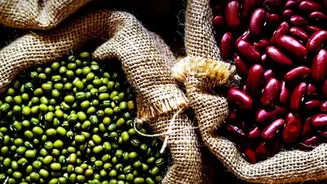
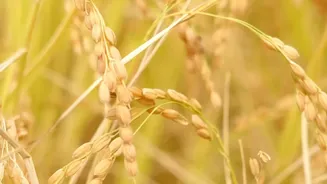
The primary concerns are centered on India's most important winter crops. Wheat, which accounts for the majority of Rabi food grain production, is particularly dependent on adequate soil moisture for sowing, which peaks in November. While regions in the north that saw some late rain may fare better, deficits in central India pose a risk. However, the biggest immediate impact could be on rainfed crops like gram, lentils (masur), and mustard. These crops are often grown in areas with less access to irrigation and are therefore more vulnerable to pre-sowing moisture conditions. An uncertain start to the season could influence farmers' planting decisions significantly. They might be tempted to shift acreage based on which crop offers a better chance of survival in drier conditions, creating a complex puzzle for agricultural output.
The Ripple Effect on Markets and Prices
This agricultural uncertainty has a direct line to the economy and household budgets. A reduction in the sown area or a lower yield for key Rabi crops like wheat, pulses, and oilseeds would tighten market supply in the coming months. Basic economics dictates that when supply shrinks while demand remains constant, prices tend to rise. This could add to food inflation, which is a persistent concern for policymakers and consumers alike. The government has already set higher Minimum Support Prices (MSP) for the 2026-27 Rabi marketing season to ensure remunerative prices for farmers and encourage cultivation. For instance, the MSP for wheat was raised, along with notable hikes for lentils and mustard. However, these support prices can't compensate for a harvest diminished by poor weather, and the market price for consumers will ultimately be shaped by the actual volume of crops that reach the mandis.