








The New Climate Reality
India is increasingly facing the brunt of unpredictable and extreme weather patterns. Intense heatwaves are arriving earlier and lasting longer, while the monsoon, the lifeblood of Indian agriculture, has become erratic and unreliable. In recent years,
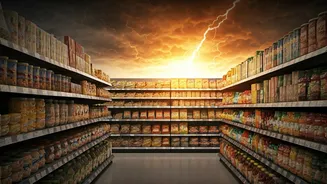
this has manifested as both severe droughts and sudden floods, creating a volatile environment for agriculture. These are no longer rare occurrences; they are part of a new climate reality that is systematically disrupting the natural cycles that Indian farming has depended on for centuries. This volatility at the very start of the food supply chain is the primary driver of the unpredictability we now see on supermarket shelves.
From Harvest to Headaches
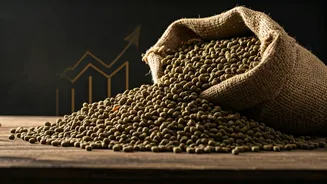
Fast-Moving Consumer Goods (FMCG) are deeply connected to the land. Key agricultural commodities like wheat, sugar, spices, and edible oils are the foundational ingredients for a vast range of products, from snacks and beverages to personal care items. When a heatwave damages a wheat crop or a delayed monsoon reduces sugarcane yield, the effects ripple outwards. The immediate impact is a shortage of raw materials, which drives up their prices. This creates a significant headache for FMCG companies. Their entire business model is built on mass production and predictable costs, but climate change is pulling the rug out from under their financial forecasts. The price of a basic commodity can now spike unexpectedly, throwing production budgets into disarray.
The Corporate Balancing Act
Faced with this rising uncertainty, FMCG companies are in a tough spot. They have to decide between absorbing the higher costs, which eats into their profit margins, or passing them on to consumers, which risks losing customers. Many are trying to do both. Companies are now openly flagging weather-related events like El Niño as a major business risk. In response, some are reducing the quantity of product in a package while keeping the price the same—a strategy known as “shrinkflation.” Others are hedging their bets by diversifying where they source their raw materials from, hoping to avoid being overly reliant on one climate-vulnerable region. Some are even innovating their product lines to be less dependent on specific seasons, creating 'all-weather' products to ensure steadier sales.
What It Means for Your Budget
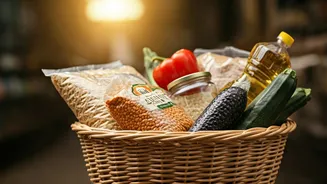
Ultimately, this volatility lands at the consumer's doorstep. The unpredictability in raw material costs translates directly to fluctuating prices for daily necessities. One month, the price of tomatoes might surge due to heavy rains in a key growing region; the next, cooking oil could become more expensive because of a drought elsewhere. This makes household budgeting increasingly difficult. Food costs make up a significant portion of India's main inflation measure, the Consumer Price Index, meaning that these agricultural shocks have a direct impact on the broader economy and household finances. The era of stable, predictable pricing for essential goods is being challenged, forcing consumers to become more adaptable and aware of how global climate patterns affect their local kirana store.