






The Appeal of the Quick Fix
In a world of instant gratification, short-term fitness challenges are incredibly popular. They promise transformative results in a digestible timeframe, usually 21 to 90 days. This structure provides a powerful motivational boost, with a defined deadline
that makes it easier to stay focused. These programs often deliver measurable results in mood, energy, and early-stage weight loss, which can be a fantastic entry point for someone starting their fitness journey. The problem isn't that these challenges don't work; it's that their benefits are often temporary. The real, lasting changes that combat ageing happen on a much deeper, molecular level, and they require a different approach.
What Is Molecular Ageing?
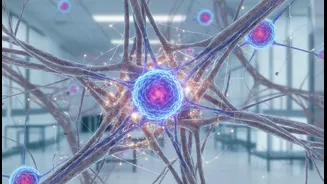
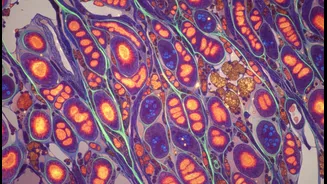
Ageing isn't just about wrinkles or grey hair. It's a complex process that happens inside every cell of your body. Scientists now look at 'molecular ageing' by tracking key markers that reveal your biological age, which can be different from your chronological age. These markers include the length of your telomeres—protective caps on the ends of your DNA that shorten over time—and changes in how your genes are expressed. Another key factor is mitochondrial function; your mitochondria are the 'powerhouses' of your cells, and their efficiency declines with age. Slowing down this molecular process is the true key to extending your 'healthspan,' or the number of years you live in good health.
The Power of a Trained Muscle
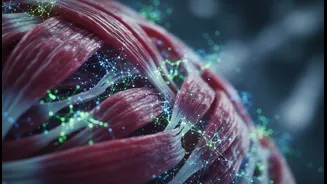
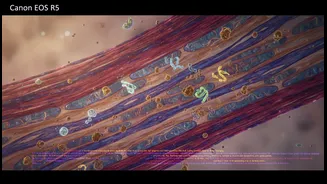
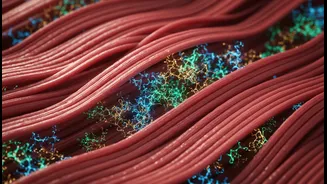
This is where consistent exercise becomes a game-changer. Recent research has shown that sustained physical training can significantly slow down, and in some ways even reverse, the molecular ageing process within our muscles. One study found that older adults who exercised regularly had muscles that, at a genetic level, resembled those of younger adults. Specifically, regular training was found to counteract about half of the age-related changes in gene expression. Consistent resistance training and aerobic exercise help preserve telomere length, reduce the accumulation of 'senescent' or aged cells, and improve the function of our cellular powerhouses, the mitochondria. This makes your muscles more resilient and preserves their strength and function as you get older.
Consistency Over Intensity Bursts
While a 30-day challenge can kickstart good habits, the stop-start cycle it can create—intense effort followed by a long break—is less effective for long-term molecular benefits. Changes like improving mitochondrial health and preserving telomere length are the result of hormesis: small, repeated cycles of stress (i.e., exercise) that trigger the body's adaptive, protective responses over time. Research indicates that structured, repetitive, and goal-directed exercise routines have a stronger effect on slowing epigenetic aging than sporadic activity. Long-term exercise programs fundamentally change what your body becomes over the years, significantly reducing the risk of chronic conditions like heart disease and type 2 diabetes—benefits that short bursts of activity alone cannot secure.
Building a Lifelong Habit
The takeaway isn't to abandon all challenges, but to use them as what they are: a starting point. The real goal is to build a sustainable routine that becomes a permanent part of your life. The U.S. Department of Health and Human Services recommends at least 150 minutes of moderate aerobic activity or 75 minutes of vigorous activity per week, plus strength training for all major muscle groups at least twice a week. But consistency is the most important factor. Find activities you genuinely enjoy, whether it's hiking, dancing, swimming, or joining a local sports team. This makes it easier to stick with it for the long haul. Think of fitness not as a temporary project, but as a continuous practice for a longer, healthier, and more vital life.