



The Real Meaning of Functional Strength
Fitness conversations often revolve around lifting heavier weights or running faster miles. While these are great goals, they miss a crucial point for most people: the purpose of getting stronger is to make life better. This is the core idea behind functional
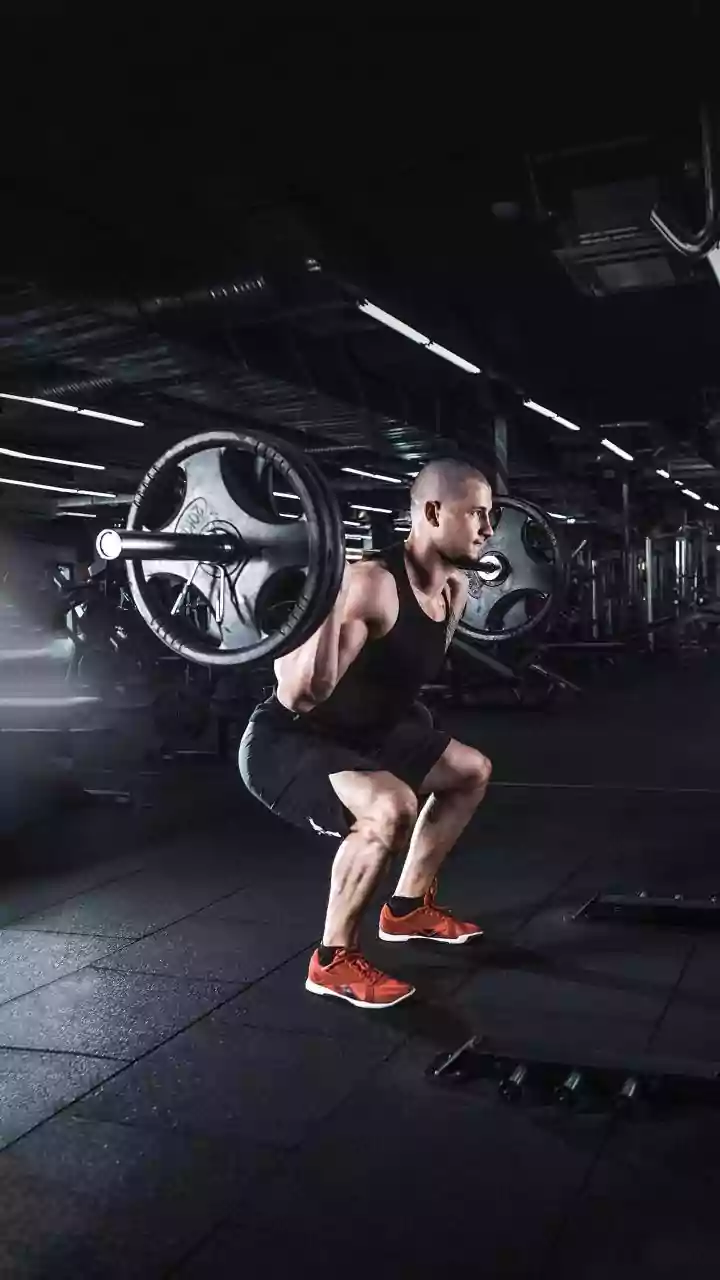
strength training. It’s a style of exercise built around movements that mimic your daily activities — think bending, lifting, pushing, pulling, and twisting. Instead of isolating one small muscle with an exercise like a bicep curl, functional training uses compound exercises like squats, deadlifts, and rows. These movements engage multiple joints and muscle groups at once, teaching them to work together as a coordinated unit, just as they do in real life. The result is strength that’s useful, helping you move more efficiently and safely whether you’re at home, at work, or at play.
The Grocery Haul and Luggage Test
One of the first places you might notice your new strength is during your weekly shop or while travelling. Suddenly, carrying heavy bags of groceries from the car to the kitchen in one trip feels manageable, not monumental. Lifting a heavy suitcase into an overhead bin or hoisting a gas cylinder no longer feels like a recipe for a pulled back. This is your functional strength at work. Exercises like farmer's carries, where you walk while holding weights, directly build your grip strength and core stability. Similarly, learning to deadlift properly teaches your body the mechanics of lifting heavy objects from the floor using your powerful leg and glute muscles, rather than straining your lower back. These gym movements directly translate into real-world capacity, making once-dreaded chores feel significantly easier.
Conquering Stairs and Keeping Up
Do you find yourself getting less winded climbing a few flights of stairs? Or perhaps you can now chase after your kids or play a game of cricket with friends without feeling completely exhausted afterwards. This is a sign of improved muscular endurance and lower-body strength. Exercises like squats, lunges, and step-ups are fundamental to building this power. They strengthen the major muscles in your legs—the quadriceps, hamstrings, and glutes—that you use for climbing, walking, and running. As these muscles get stronger, everyday movements require less effort, which means your cardiovascular system doesn't have to work as hard. The result is more stamina and energy for the activities you enjoy.
From Better Posture to Fewer Aches
Many people start strength training to build muscle but are pleasantly surprised by an unexpected benefit: less pain. A strong core and back are essential for good posture, especially if you spend hours sitting at a desk. Exercises that strengthen the muscles along your spine and in your abdomen help you sit and stand taller without even thinking about it. This improved alignment can significantly reduce chronic aches in your lower back, shoulders, and neck. Furthermore, strength training improves your body's stability and balance, which helps prevent the tweaks and strains that come from sudden or awkward movements. By making your body more resilient, you're not just getting stronger, you're investing in long-term, pain-free movement.
Recognising the 'Non-Scale Victories'
These everyday improvements are often called 'non-scale victories', and they are powerful markers of progress. They can be as small as effortlessly opening a tight jar lid (a sign of improved grip strength) or being able to get up from sitting on the floor with ease. Other non-scale victories include noticing your clothes fit better as you build denser muscle, sleeping more soundly, and feeling a boost in your mood and confidence. Shifting your focus to these tangible life benefits, rather than just the number on the scale, can make your fitness journey more sustainable and rewarding. It reframes exercise as a tool for a healthier, more capable life, not just a way to change your weight.