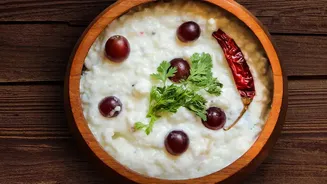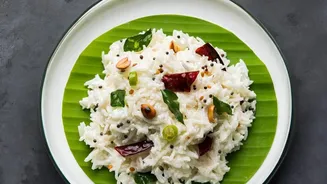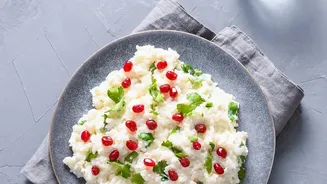




As winter arrives, a familiar question appears in many Indian homes: to eat curd or not? This guide cuts through the confusion, offering a balanced look at what science and tradition say about enjoying dahi during the colder months.
The Undeniable Power of This Superfood
Before we dive into
the winter debate, it's essential to remember why curd, or dahi, is a celebrated staple in the first place. It is a nutritional powerhouse packed with high-quality protein, calcium, and essential vitamins like B12. These nutrients are vital for maintaining strong bones and teeth, supporting muscle function, and overall energy. But its most famous benefit lies in its probiotic content. Curd is rich in live, beneficial bacteria that support a healthy gut microbiome, which is crucial for good digestion and a strong immune system. A healthy gut can aid in everything from nutrient absorption to preventing common digestive issues, making curd a valuable addition to a balanced diet year-round.
The Great Winter Worry: Does Curd Cause Colds?
The primary concern driving people to shun curd in winter is the belief that it causes coughs, colds, and increases mucus production. This idea is deeply rooted in traditional home wisdom. From a modern scientific perspective, there is no direct evidence that curd itself causes a cold or flu; these are caused by viruses. In fact, the probiotics in curd may actually help boost your immune system, potentially reducing the risk of upper respiratory infections. However, some individuals, particularly those prone to allergies, asthma, or sinus issues, might find that consuming cold curd can thicken existing mucus or irritate the throat. The issue often lies not with the curd itself, but with its temperature. Consuming anything straight from the refrigerator can cause discomfort for some.
What Ayurveda Says About Curd in Winter
Ayurveda offers a more nuanced perspective that goes beyond a simple 'yes' or 'no'. Ayurvedic texts describe curd as heavy ('guru') and having properties that can increase Kapha dosha, which governs mucus and fluid in the body. An excess of Kapha can lead to congestion and colds. This is why Ayurveda traditionally advises against eating curd at night, when Kapha naturally increases in the body. Interestingly, some Ayurvedic principles consider curd to have a heating nature ('Ushna Virya'), which can help maintain body warmth and support the strong digestive fire ('Agni') that is characteristic of winter. Therefore, the Ayurvedic conclusion isn't to avoid curd entirely in winter, but to consume it correctly to avoid aggravating Kapha.
Smart Ways to Enjoy Curd During Colder Months
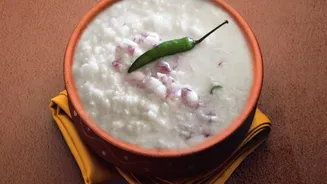
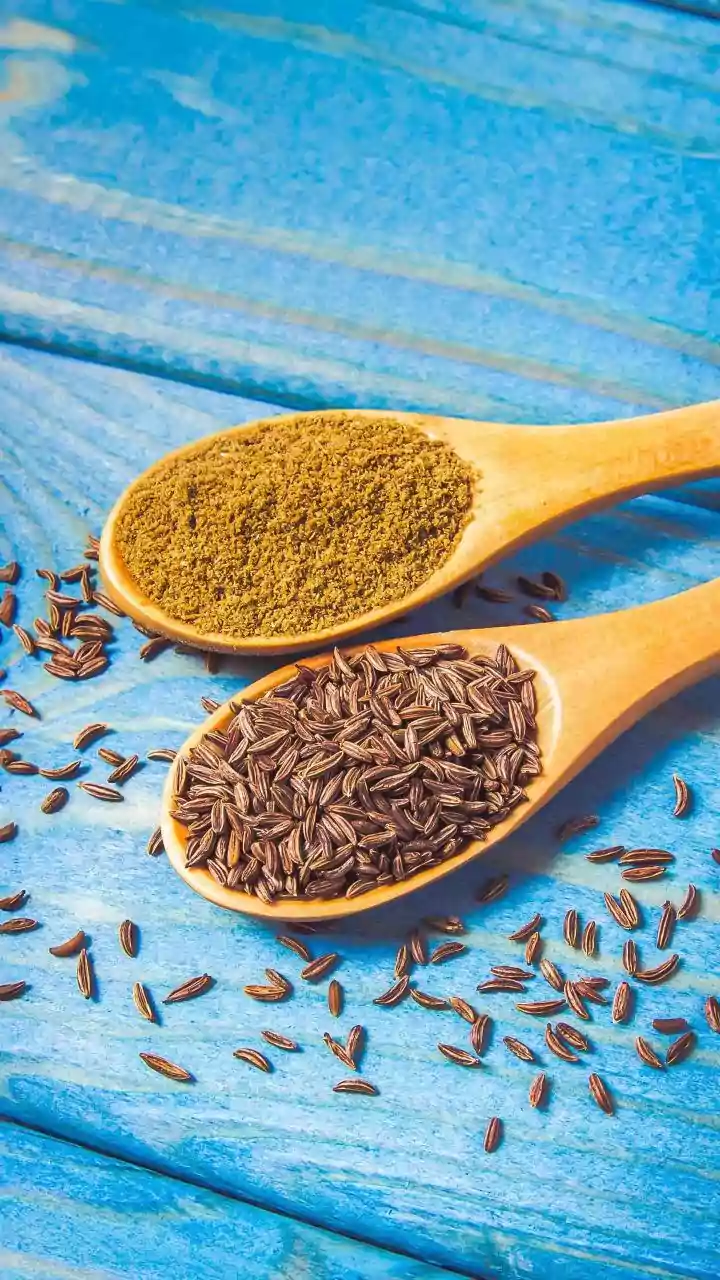
The consensus from both modern nutritionists and Ayurvedic practitioners is not to banish curd, but to be mindful of how you eat it. The first and most important rule is to avoid consuming it cold. Take it out of the refrigerator a while before your meal to let it come to room temperature. The best time to have curd is during the day, preferably with your lunch, when your digestive system is at its peak. Avoid having it at night, as it is harder to digest and may contribute to mucus formation. To counteract its cooling and mucus-forming properties, Ayurveda suggests adding warming spices like roasted cumin powder, black pepper, or a pinch of ginger. This not only enhances flavour but also aids digestion.
Who Should Still Be Cautious?
While most people can safely enjoy curd in winter by following these tips, some individuals should exercise more caution. If you are actively suffering from a cough, cold, sinus infection, or asthma, it might be wise to avoid curd until your symptoms subside. This is because its heavy nature can potentially worsen congestion for those with existing respiratory issues. People with a known sensitivity to cold foods or those with a dominant Kapha constitution, according to Ayurveda, might also find it better to limit their intake during the coldest months. Ultimately, listening to your own body is key. If you notice that curd consistently causes discomfort or worsens your symptoms, it is best to reduce or avoid it.