



What Exactly Is a Rain-Shadow Region?
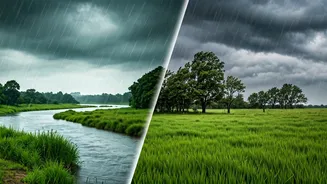
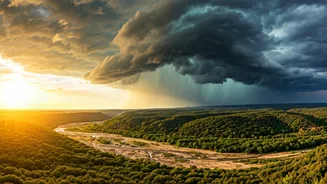
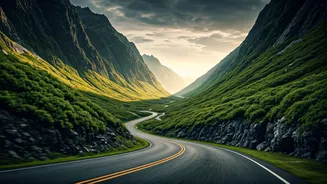
The term sounds technical, but the concept is simple. When moisture-laden monsoon winds encounter a mountain range, like the Western Ghats or the Himalayas, they are forced to rise. As the air rises, it cools and releases its moisture as rain on the side
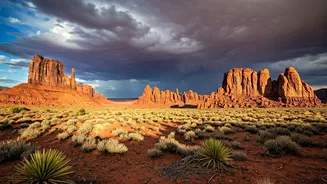
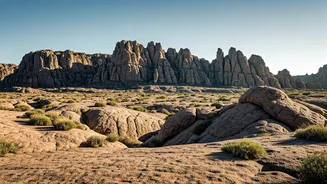
facing the wind (the windward side). By the time the air crosses over the mountain peak and descends on the other side (the leeward side), it has lost most of its moisture. This creates a significantly drier area known as a rain-shadow region. These areas receive scanty rainfall, resulting in arid or semi-arid climates that stand in stark contrast to the lush, rain-soaked landscapes on the other side of the mountains.
India's Most Alluring Dry Zones
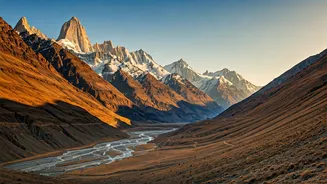
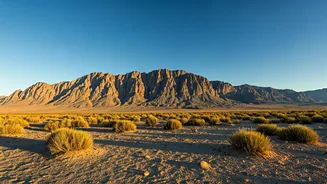
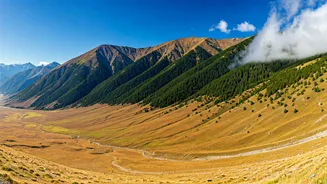
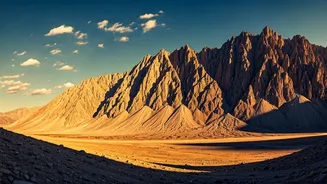
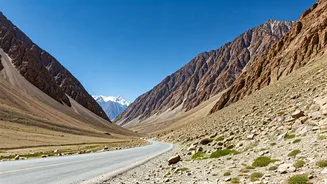
India is blessed with several stunning rain-shadow zones that have become popular travel destinations, especially from June to September. The most famous are the high-altitude cold deserts of Ladakh and the Spiti Valley in Himachal Pradesh. Shielded by the formidable Himalayas, these regions offer dramatic landscapes, clear skies, and open roads when much of the country is experiencing heavy monsoons. Further south, the leeward side of the Western Ghats creates drier pockets in states like Tamil Nadu and parts of the Deccan Plateau in Maharashtra and Karnataka. These areas provide unique opportunities for trekking, road trips, and cultural exploration without the constant worry of being rained out.
The 'Respect' Part: More Than Just 'Do Not Litter'
Travelling to a rain-shadow area means entering a fragile ecosystem. 'Respect' here goes beyond the basic etiquette of not leaving plastic behind. These environments are often resource-scarce, particularly when it comes to water. Respect means being mindful of your consumption and appreciating the local conservation efforts. In high-altitude regions like Ladakh and Spiti, it also means respecting the local culture, which is often deeply intertwined with the challenging environment. These are not just tourist playgrounds; they are homes to communities with ancient traditions. Engage with local people respectfully, support local businesses, and understand that your adventure is taking place in someone else's backyard. This mindful approach ensures that these beautiful places remain pristine for generations to come.
The 'Prep' Part: Your Monsoon Trip Checklist
Just because it's a rain-shadow area doesn't mean you can throw caution to the wind. Preparation is key. For a road trip, ensure your vehicle is thoroughly serviced—check brakes, tyres, and wipers. Your packing list should include layers. While days can be sunny and warm, temperatures can drop suddenly, especially at night or at high altitudes. Sun protection is non-negotiable; the sun at high altitudes is harsh. And ironically, you should still pack a lightweight waterproof jacket or poncho. Sudden, brief showers can still occur, and weather can be unpredictable. Always carry a basic first-aid kit, any personal medications, and a power bank for your electronics. Checking road conditions daily and having a flexible itinerary with buffer days is also crucial, as access roads can sometimes be affected by rain in other areas.
Hidden Dangers: Why You Still Need to Be Careful
The biggest mistake is assuming a rain-shadow region is completely safe from monsoon-related hazards. The primary danger often comes from afar. Heavy rainfall in distant catchment areas can lead to sudden, dangerous flash floods in the narrow valleys and dry riverbeds you might be trekking through. You might be standing under a clear, sunny sky, but a surge of water could be heading your way. Another major risk, particularly on the approach roads to places like Spiti and Ladakh, is landslides. While the destination itself may be dry, the highways leading to it cut through mountains that are receiving rain, making them prone to blockages. Finally, for high-altitude destinations, Acute Mountain Sickness (AMS) is a serious concern that requires proper acclimatisation—typically resting for 48 hours upon arrival in a place like Leh before ascending further.