


A Nationwide Health Awakening
The single biggest driver behind this shift is a profound, nationwide awakening around health and wellness. Indian consumers are increasingly proactive about their long-term wellbeing, and this consciousness is reshaping their food choices. With a growing
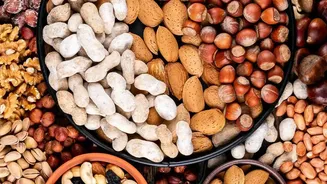
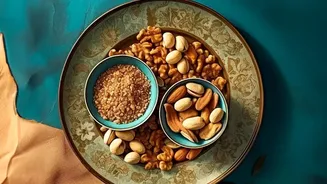
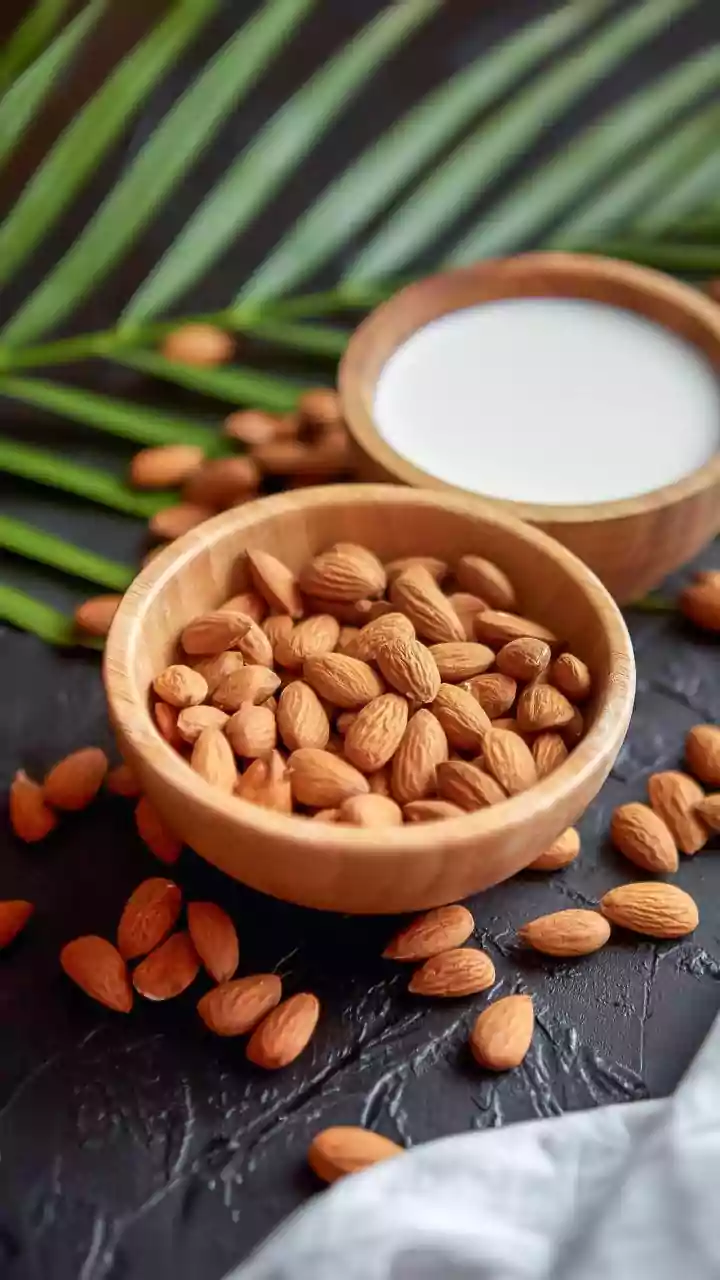
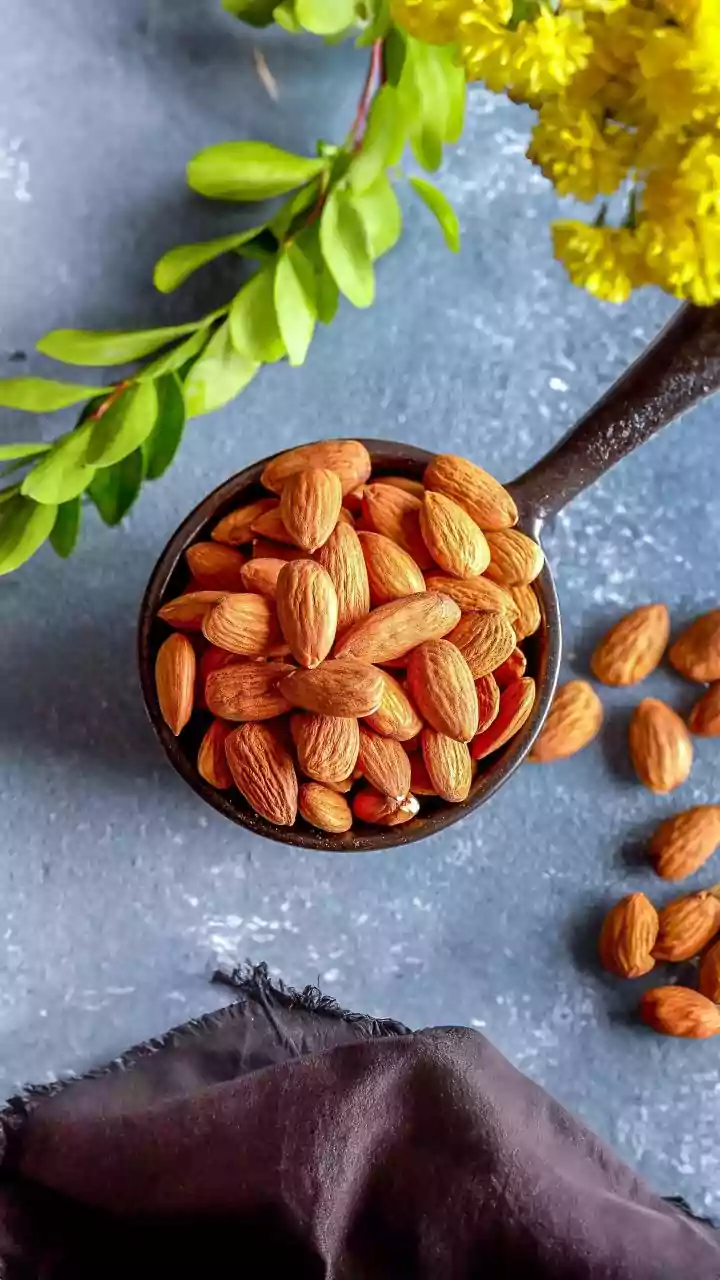
awareness of lifestyle-related health issues, people are actively seeking out snacks that offer nutritional value, not just empty calories. Nuts and seeds fit this demand perfectly. Almonds, walnuts, cashews, and newer entrants like chia and flax seeds are packed with protein, healthy fats, fibre, and essential minerals. This move is away from mindless indulgence and towards intentional, purposeful snacking, where every bite is expected to contribute to overall health, from boosting immunity to improving energy levels.
The Convenience Factor in Modern Life
As urban lifestyles become more demanding and schedules get tighter, convenience has become a top priority for Indian consumers. Traditional snacks, while delicious, are often not portable or can be messy to eat on the go. Nuts and seeds offer a simple, grab-and-go solution. The rise of single-serve and small-sized packs has made it easier than ever to carry a healthy snack. This convenience, combined with a longer shelf life, makes them a practical choice for office drawers, school tiffins, and travel bags, aligning perfectly with the pace of modern Indian life.
From Kirana Store to E-commerce Cart
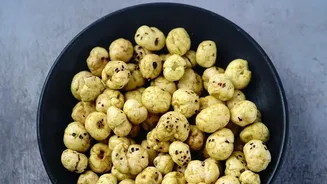
The way Indians shop for food has transformed, and this has played a huge role in the popularity of nuts and seeds. The explosion of e-commerce, quick-commerce platforms, and modern retail chains has made a vast variety of these products accessible to a much wider audience. Consumers are no longer limited to the basic almonds and cashews at the local kirana store. They can now easily explore and purchase everything from Turkish apricots to American walnuts and Mexican chia seeds. This increased availability is further boosted by a surge in direct-to-consumer (D2C) brands like Farmley, Happilo, and True Elements, which focus on quality, innovative flavours (like peri-peri makhana or chocolate-coated almonds), and attractive packaging.
The Rise of the 'Superfood' Culture
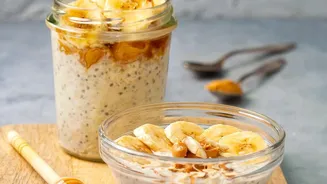
The global wellness trend has popularised the concept of 'superfoods', and Indian consumers have embraced it. Seeds, in particular, have benefited from this. Once niche items, flax, chia, pumpkin, and sunflower seeds are now celebrated for their high density of nutrients like omega-3 fatty acids and antioxidants. Social media and wellness influencers have amplified their benefits, turning them into symbols of a health-conscious lifestyle. Adding a spoonful of chia seeds to a morning smoothie or sprinkling flax seeds on yogurt has become a common practice, moving these ingredients from obscurity to the mainstream Indian pantry.
Shifting Cultural Perceptions
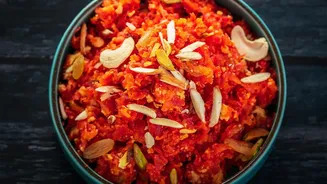
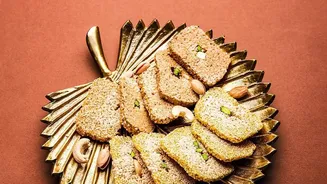
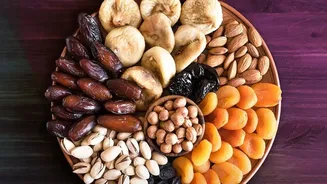
Traditionally in India, nuts and dry fruits were considered premium items, reserved for festive occasions like Diwali, religious ceremonies, or as expensive gifts. While that association with quality remains, the perception has broadened significantly. Clever marketing and a shift in consumer mindset have repositioned them from a seasonal indulgence to a year-round, everyday healthy habit. Rising disposable incomes have also made what was once a luxury item more affordable for regular consumption by the growing middle class. This cultural shift is crucial; it marks the transition of nuts and seeds from the 'special occasion' shelf to the daily snack basket.