





A Season of Renewal and Celebration
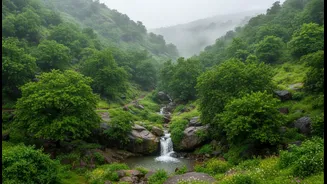
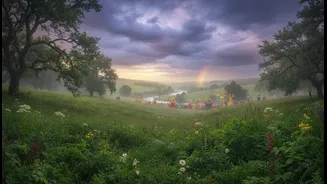
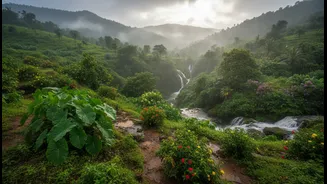
In Rajasthan, the monsoon is more than just a change in weather; it's a deeply significant cultural event that signals renewal and prosperity. After months of arid heat, the rains breathe life back into the Aravalli hills, turning the landscape surrounding
the city’s majestic forts lush and green. This transformation is mirrored in the city's cultural planning, as locals and institutions prepare for a season of specific foods, festivals, and activities that are intrinsically tied to the rains. For Jaipurites, the monsoon is a time for celebration, reflection, and indulging in traditions that are savoured this time of year.
The Flavours of the Monsoon
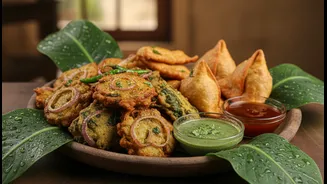
Jaipur's culinary scene undergoes a delicious transformation during the monsoon. The craving for hot, crispy, and sweet delicacies becomes a city-wide phenomenon. Roadside stalls and established sweet shops see a surge in demand for items like spicy Pyaaz ki Kachori and Mirchi Bada (chilli fritters). However, the undisputed king of monsoon sweets is Ghewar, a disc-shaped honeycomb cake soaked in syrup, often topped with rabri or mawa. This delicacy is especially associated with the Teej festival but is enjoyed throughout the season. Another beloved combination is a hot cup of masala chai paired with dal pakodas (lentil fritters), a simple pleasure that perfectly complements a rainy evening.
The Grandeur of Teej
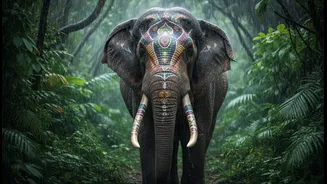
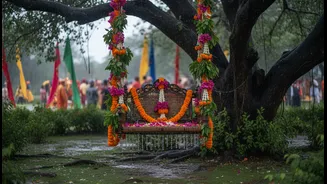
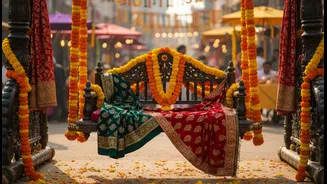
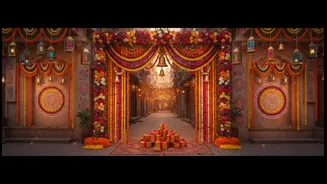
The most significant cultural event of the Jaipur monsoon is the Teej festival, a vibrant celebration of the season and marital devotion. In 2026, the main Hariyali Teej festivities are scheduled for August 15th. This festival, dedicated to the reunion of Lord Shiva and Goddess Parvati, sees women dressed in traditional green and red attire, applying intricate mehndi, and singing folk songs while swinging on beautifully decorated jhulas (swings). The highlight is a grand procession that originates from the City Palace and winds its way through the old city's streets, featuring a gilded palanquin with the idol of Teej Mata, decorated elephants, and folk performers. The entire city comes alive with an infectious festive spirit, making it a spectacular sight for visitors and locals alike.
Experiencing the Rain-Washed City
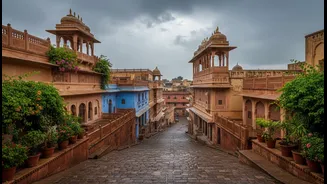
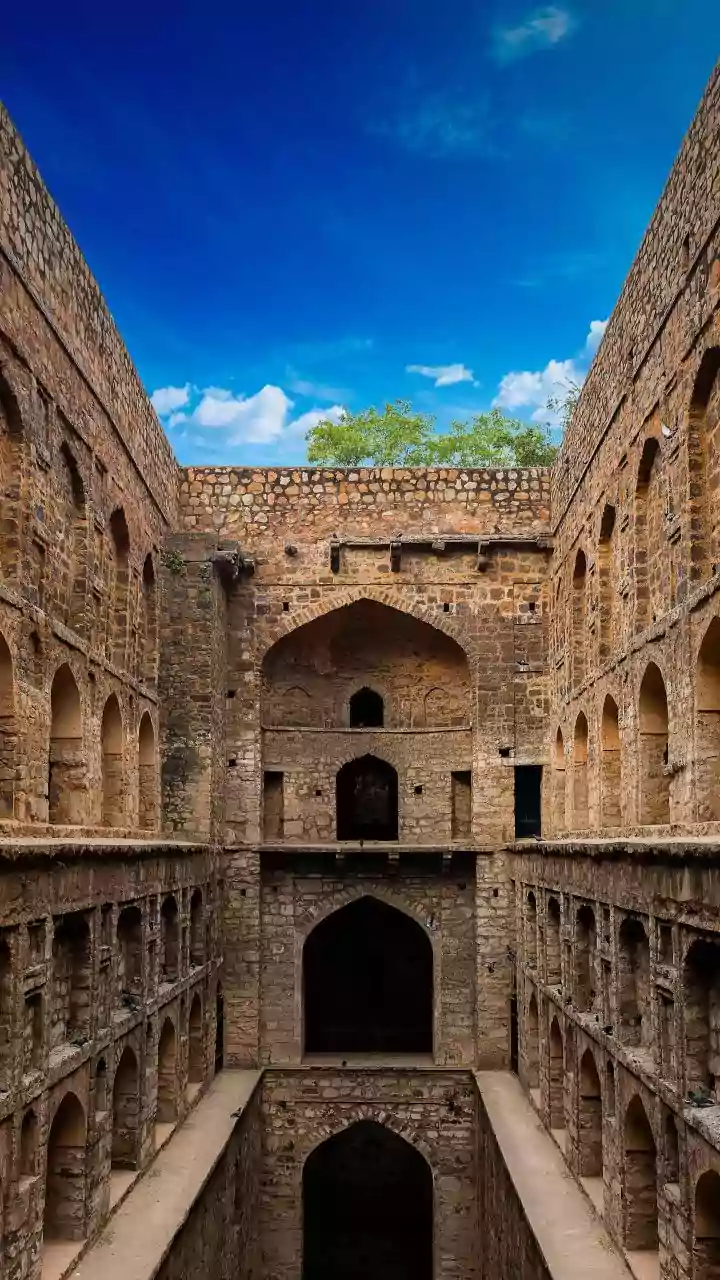
While the rains might limit some outdoor activities, they offer a unique way to experience Jaipur's iconic landmarks. The forts, such as Amer Fort and Nahargarh Fort, are breathtakingly beautiful against the backdrop of green hills and dramatic monsoon skies. Nahargarh, in particular, offers panoramic views of the rain-washed city below. The Jal Mahal, or Water Palace, appears to float magically on a replenished Man Sagar Lake, creating stunning reflections perfect for photography. For those preferring to stay indoors, the city's museums, like the Albert Hall Museum, and numerous art galleries offer a cultural refuge. Recently, cultural institutions like the City Palace have been actively promoting traditional arts through workshops on miniature painting and local crafts, offering another engaging rainy-day activity.