




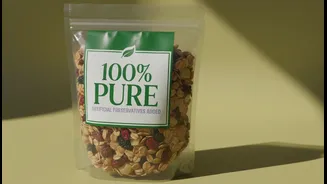



The ‘Natural’ Trap: A Marketer's Best Friend
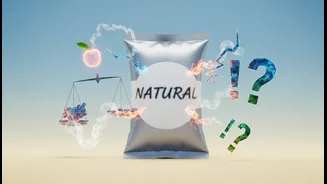
Here’s the simple, frustrating truth: the word 'natural' on a food package in India has very little legal meaning. Unlike 'organic', there is no mandatory government certification or rigorous standard that a product must meet to be called natural. According
to the Food Safety and Standards Authority of India (FSSAI), brands can use terms like 'natural', 'pure', 'traditional', or 'fresh' without certified proof, though regulations from 2018 aimed to curb frivolous use. This ambiguity allows marketers to create an impression of healthfulness that may not be backed by the actual ingredients. A product can be 'natural' and still be high in sugar, sodium, or unhealthy fats. Recent actions by FSSAI against companies for misleading claims like "100% Natural" on products containing preservatives and artificial flavours highlight this very issue. The term often refers to products that are minimally processed and free of synthetic additives, but this isn't a guaranteed rule.
Organic: The Gold Standard of Labels
If 'natural' is a vague promise, 'organic' is a verifiable commitment. For a product to be legally sold as 'organic' in India, it must be certified. This process is governed by strict standards set by FSSAI, ensuring the food is grown without synthetic pesticides, chemical fertilizers, or genetically modified organisms (GMOs). When you’re shopping, the most important symbol to look for is the ‘Jaivik Bharat’ logo. This is FSSAI’s unified mark for authentic organic products. To earn this logo, at least 95% of the product's agricultural ingredients must be certified organic. This certification is not just a label; it’s a guarantee of a production process that focuses on soil health, biodiversity, and environmental responsibility. So, while all organic products are natural, not all natural products can be called organic. Recent crackdowns by the FSSAI have targeted brands making '100% organic' claims without the necessary Jaivik Bharat logo, underscoring the importance of this certification.
Beyond the Buzzwords: A Smart Shopper's Checklist
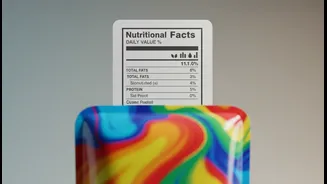
The front of the package is for marketing; the back is for facts. Becoming a savvy shopper means learning to ignore the flashy claims and focusing on the information that truly matters. Here’s how: 1. Read the Ingredient List First: Ingredients are listed in descending order by weight. If the first few ingredients are sugar, maida (refined flour), or palm oil, the product is likely not as healthy as it seems, regardless of front-of-pack claims. A shorter, simpler ingredient list is often a sign of a less processed food. 2. Understand the Nutrition Facts: Don’t just look at calories. Pay attention to the 'per 100g' column for an accurate comparison between products, as serving sizes can be misleadingly small. Keep an eye on added sugars, sodium, and trans fats. If the label mentions "partially hydrogenated oil," it contains trans fat, even if it claims '0g trans fat' per serving. 3. Look for Official Logos: For organic products, the Jaivik Bharat logo is your assurance of authenticity. Also, every legitimate food product in India must have an FSSAI license number displayed on the package. The absence of this is a major red flag.
Why This Matters for Your Health and Budget
The confusion isn't just academic. Studies show that while most Indian consumers read labels, they primarily check the expiry date and price, with less attention paid to the nutritional information or ingredient list. This gap in understanding is exploited by misleading marketing, leading people to buy products they believe are healthy but may be contributing to lifestyle diseases. The FSSAI is actively cracking down on brands for making unsubstantiated health claims, from 'fresh paneer' to snacks marketed as 'healthy' despite their contents. By learning to see past these buzzwords, you not only make better choices for your health but also ensure your money goes toward genuinely better products. You empower yourself to choose foods based on their actual substance, not just their persuasive packaging. This shift from being a passive buyer to an informed consumer is the most powerful tool you have.