


The King of Summer's Humble Reign
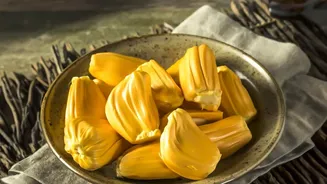
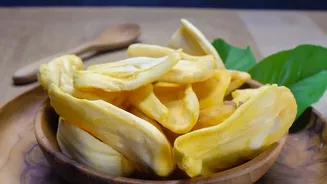
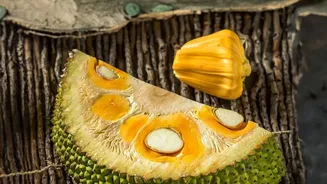
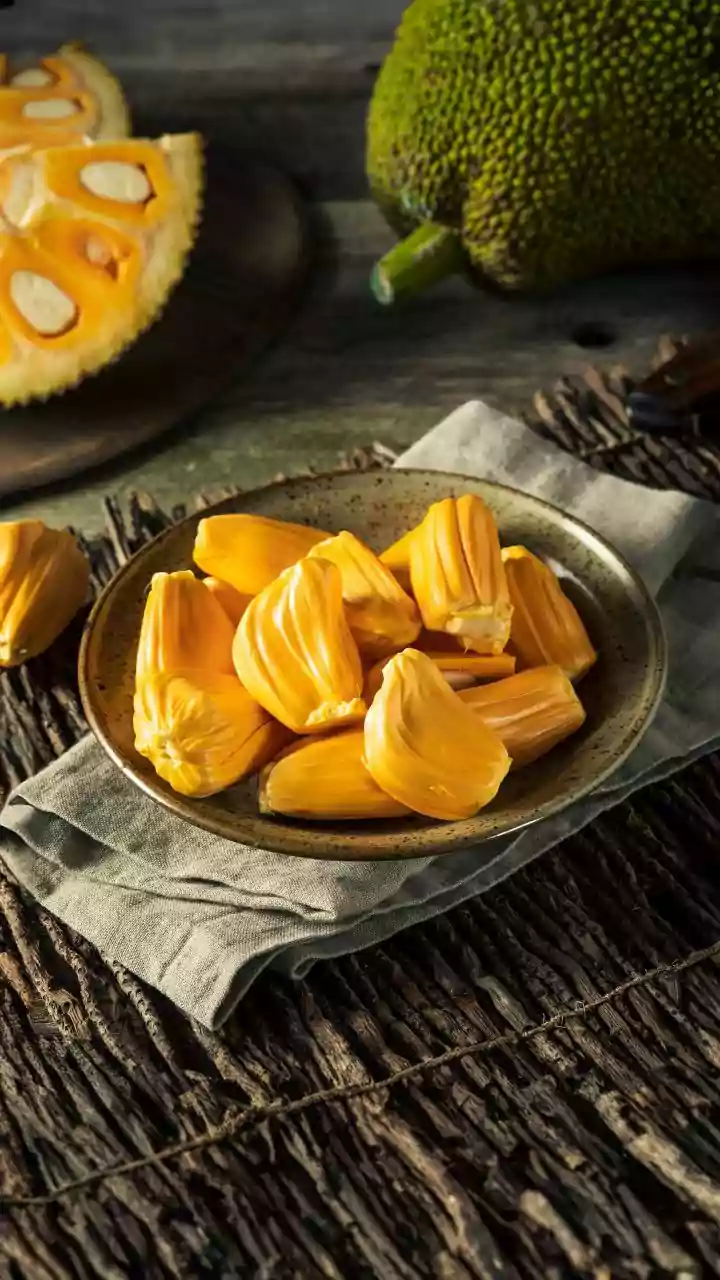
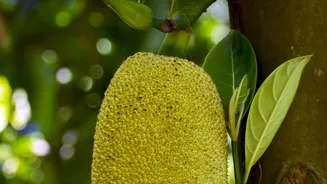
For generations, the jackfruit, or 'chakka' as it's known in Malayalam, was an inseparable part of life in Kerala. Growing abundantly in backyards, this giant, spiky fruit was a symbol of seasonal bounty and a dependable source of nutrition. Its versatility
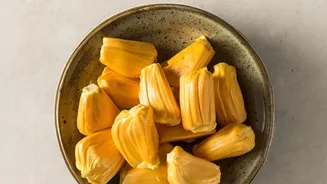
is legendary; every part of the fruit found its way into the kitchen. The raw, unripe fruit was cooked into savoury dishes like 'puzhukku', a hearty mash often eaten with spicy fish curry. The sweet, ripe pods were a dessert in themselves, while the seeds, 'chakkakuru', were roasted or added to curries, ensuring nothing went to waste. It was so integral to the diet that an old Malayalam saying suggests Keralites could live for six months on jackfruit and mangoes alone.
From Backyard Staple to Forgotten Food
Despite its deep cultural roots, the jackfruit's status began to wane. With increasing urbanisation and prosperity, lifestyles changed. The laborious process of cutting and cleaning the large, sticky fruit became a deterrent. Packaged and processed foods offered convenience that a backyard jackfruit couldn't. Gradually, it acquired the label of a 'poor man's food', something to be relied upon during times of scarcity, not choice. As a result, many traditional, elaborate preparations began to fade from memory and daily practice. A significant portion of the harvest was left to rot, a testament to its declining popularity among younger generations.
The Lockdown Kitchen Revival
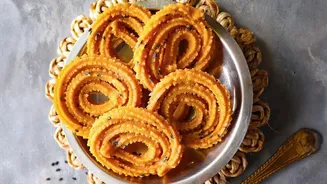
The recent resurgence of jackfruit can be traced to a confluence of modern trends and a renewed appreciation for the traditional. The COVID-19 lockdowns played a significant role, as people confined to their homes began experimenting in the kitchen, often turning to local, accessible ingredients. Social media platforms like Instagram and YouTube became digital recipe books, where food bloggers and home cooks shared their rediscovered family recipes. They showcased the fruit's potential beyond the usual chips and curries, reintroducing a new generation to the forgotten delicacies of their grandmothers' kitchens. This digital renaissance helped strip away the old-fashioned stigma, reframing jackfruit as a heritage ingredient worth celebrating.
Beyond Chips and Curries
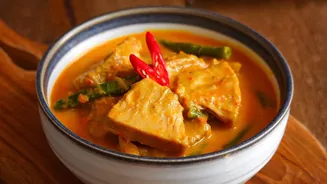
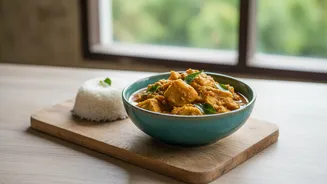
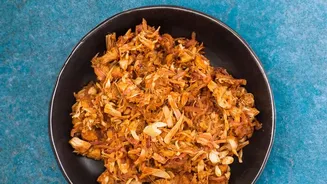
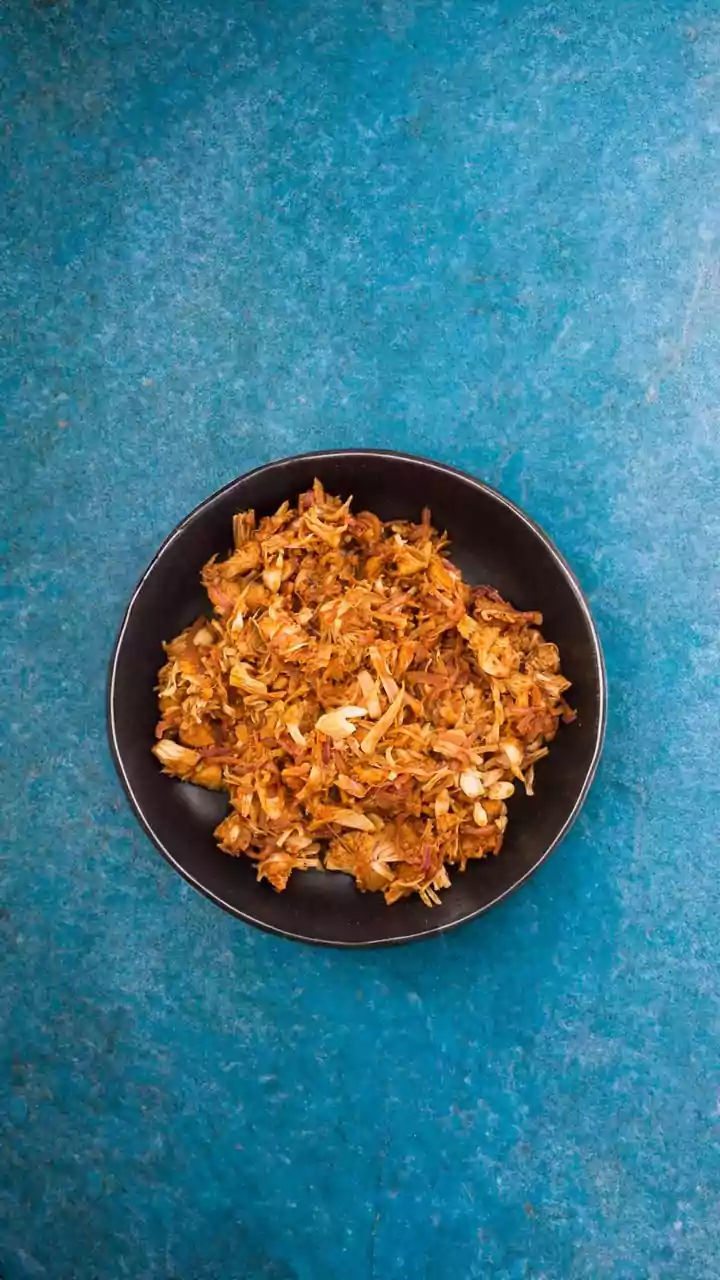
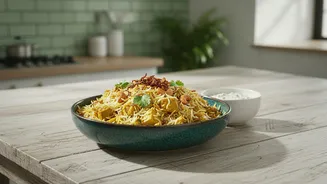
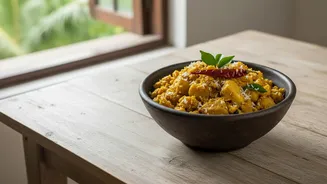
The revival is not just about cooking the same old dishes; it's about rediscovering a lost culinary vocabulary. Modern cooks are bringing back complex dishes that require time and technique. 'Chakka Veragiyathu', a flavourful mashed jackfruit dish, is making a comeback at lunch tables. The humble jackfruit seed is being celebrated in preparations like 'Chakkakuru Mezhukkupuratti' (a stir-fry) and rich curries. There's a renewed interest in traditional preserves like 'Chakka Varatti', a dense, sweet jam that allows the fruit's flavour to be enjoyed year-round. Even dishes like 'Chakka Puttu', where jackfruit is mixed into steamed rice cakes, are finding new fans. These are not just recipes but stories of a region's culinary ingenuity.
A Taste of Health and Heritage
This culinary revival is powered by more than just nostalgia. It aligns perfectly with the global wellness movement. Raw jackfruit is now recognised for its numerous health benefits, including its high fibre content, which aids digestion, and its low glycemic index, making it a suitable alternative for diabetics. It’s also rich in antioxidants, vitamin C, and potassium. The global trend of using raw jackfruit as a plant-based meat substitute has also boosted its image, transforming it from a humble staple into a 'superfood'. For modern Indian home cooks, preparing these forgotten dishes is a way to connect with their heritage, embrace sustainable eating by using a local, seasonal ingredient, and nourish their families with healthy, time-honoured meals.