





Rethink Your Drinking Water
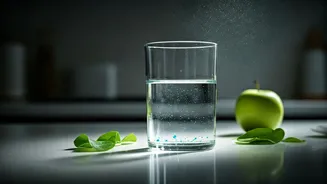
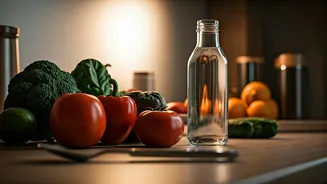
Bottled water is a significant source of microplastics, often containing thousands of particles per litre that shed from the bottle and cap. Switching to tap water is a major first step. To further purify your water, consider installing an effective water filtration
system. Studies show that technologies like reverse osmosis, nanofiltration, and some carbon block filters can effectively remove microplastics. Even boiling tap water may help reduce plastic particle ingestion. Store your filtered water in glass or stainless-steel bottles instead of plastic ones to avoid recontamination.
Upgrade Your Kitchen Storage
The way you store and reheat food matters immensely. Plastic containers, even those labelled "microwave-safe," can release millions of micro- and nanoplastic particles into your food when heated. The safest practice is to never microwave food in plastic. Transfer leftovers into glass or ceramic dishes before reheating. For general storage, gradually replace old, scratched, and cloudy plastic containers with alternatives made of glass, stainless steel, or food-grade silicone. This is especially important for hot, oily, or acidic foods, which can increase the leaching of plastic particles.
Choose Fresh Over Processed
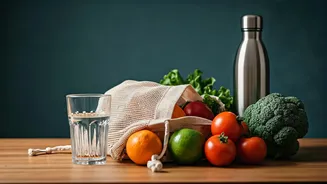
As a general rule, the more processed a food is, the more likely it is to contain microplastics from manufacturing and packaging. Studies have found higher concentrations of microplastics in highly processed products like chicken nuggets and plant-based burgers compared to their minimally processed counterparts like raw chicken breast. Focusing on fresh fruits, vegetables, and unprocessed meats can help limit this source of exposure. While some produce like apples and carrots have been found to contain microplastics from soil and water, opting for whole foods over those that come in extensive plastic packaging is a beneficial step.
Be Mindful of Takeaways and Tea
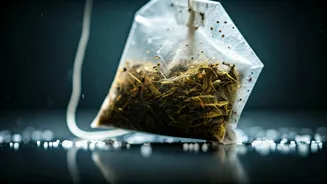
Your daily habits outside the home kitchen also present opportunities for change. Many single-use paper coffee cups are lined with plastic that can shed particles when exposed to hot liquid. Carrying a reusable stainless steel or glass cup is a simple swap. Similarly, many tea bags are made with plastic (nylon or PET) that can release billions of particles into your cup during brewing. Opt for loose-leaf tea with a metal infuser or look for brands that explicitly state their bags are plastic-free. When ordering takeaway, transfer hot food from plastic containers to your own ceramic or glass plates as soon as you get home.
Adjust Your Cooking and Cleaning Tools
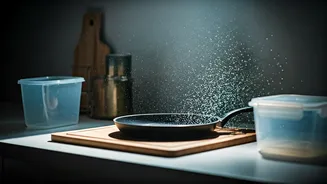
Microplastics can also be shed from common kitchen tools. Plastic cutting boards, for instance, can release particles into your food every time you chop vegetables. Consider switching to a wooden or glass cutting board. The same applies to plastic spatulas and spoons, especially when used with hot pans. Using utensils made of wood, bamboo, or stainless steel is a safer alternative. Even some dish sponges with abrasive layers can shed microplastics during use. While India's food safety authority, FSSAI, has begun a project to study and set standards for microplastics in the food supply, these personal actions can make a difference now.