



The Science of 'Holding Time'
In food safety, 'holding time' refers to the duration a food can be kept at a certain temperature before it becomes unsafe to eat. The main thing to avoid is the 'Temperature Danger Zone', which is the range between 4°C and 60°C. In this zone, bacteria
can multiply rapidly, sometimes doubling in as little as 20 minutes. Most travel in India happens at ambient temperatures that fall squarely within this danger zone. General food safety guidelines state that perishable food shouldn't be left at room temperature for more than two hours. If the temperature is above 32°C, which is common during Indian summers, that window shrinks to just one hour. This is why the type of food you pack, and not just how you pack it, is critically important.
Best Bets: Foods with Long Holding Times
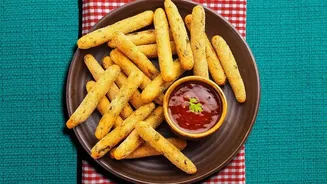
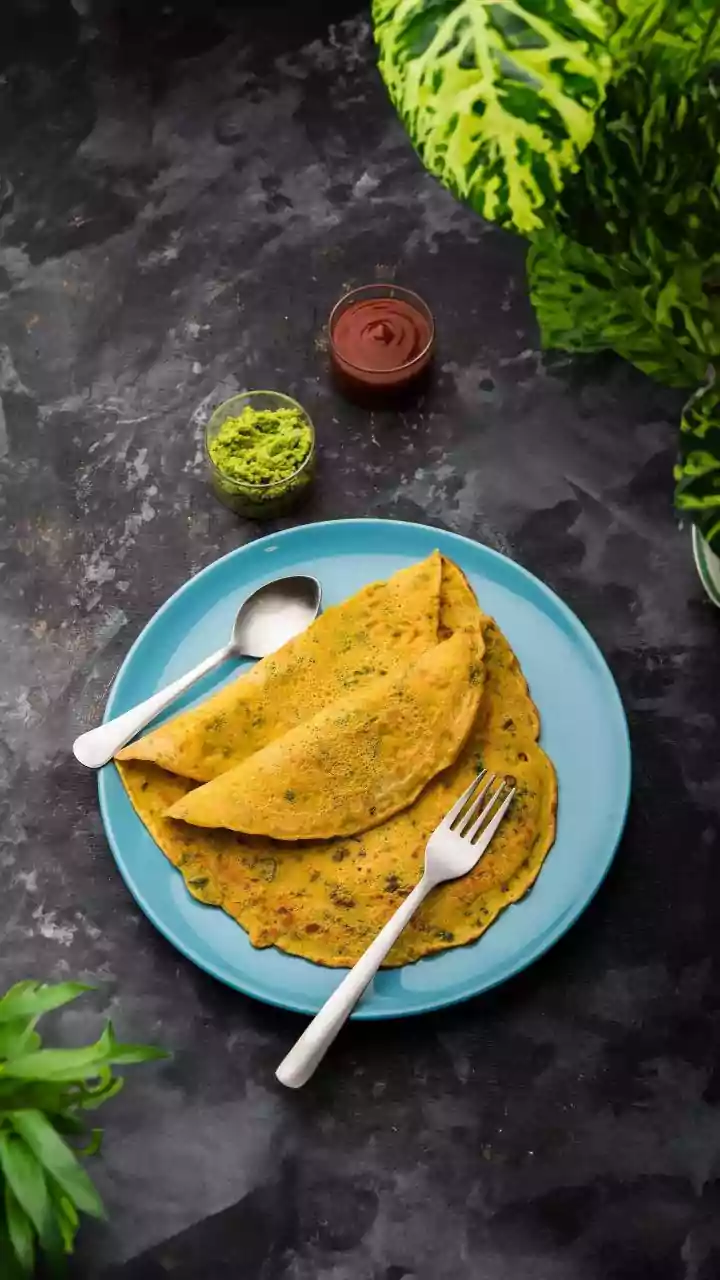
The best travel foods are those naturally resistant to spoilage, primarily because they have low moisture content. These are the items that can withstand a full day's journey without refrigeration. Think of classic Gujarati snacks like thepla and khakhra; the oil and dry texture act as preservatives. Similarly, Maharashtrian staples like mathri and Puran Poli (the dry, travel version) are excellent choices. Other reliable options include tamarind or lemon rice, where the acidity helps in preservation. Roasted snacks like chana (gram) and makhana (fox nuts), along with dry fruits, nuts, and homemade laddoos, provide energy and have a very long shelf life. These foods are designed by tradition to endure, making them perfect, worry-free companions for your trip.
The 'Eat First' and 'Avoid' Lists
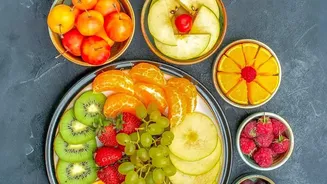
Some foods have a very short holding time and should either be eaten within the first couple of hours or left at home. This high-risk category includes anything with high moisture and protein content, which are ideal breeding grounds for bacteria. Items to be wary of include sandwiches with mayonnaise or fresh paneer, dairy-based dishes like creamy curries, and anything involving fresh-cut fruits that spoil quickly. Even seemingly harmless items like cooked rice or dal can become risky if left for many hours. While you can pack dishes like aloo-puri or idli, consider them your 'first meal'. Plan to consume them within 3-4 hours of starting your journey to ensure they are eaten long before they become unsafe.
Smart Packing for Maximum Freshness
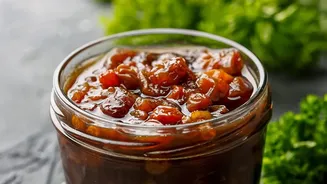
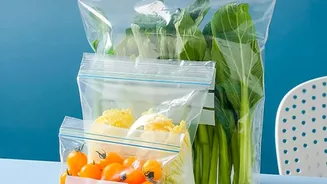
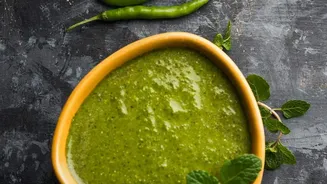
How you pack your food is almost as important as what you pack. The goal is to keep food as dry and cool as possible. Use aluminium foil for wrapping flatbreads like parathas and theplas, as it helps retain freshness without making them soggy. For items like rice, use airtight containers. A great tip for keeping things cool for the first few hours is to pack a frozen water bottle in your food bag; it acts as a makeshift ice pack and you'll have cold water to drink later. Always pack wet and dry items separately to prevent moisture from spoiling the dry snacks. If carrying pickles or chutneys, ensure they are in leak-proof containers. A small pouch of salt, pepper, and perhaps some sanitizing wipes can also be incredibly useful.