



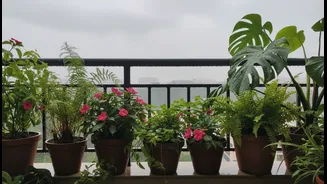


Your Green Haven Is a Valuable Asset
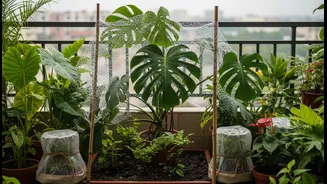
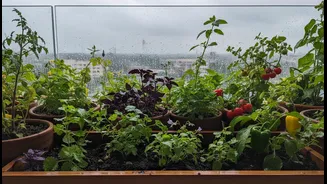
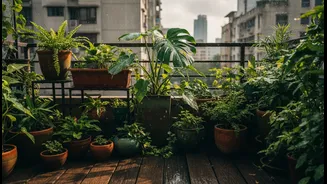
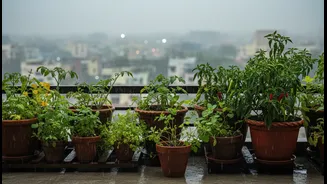
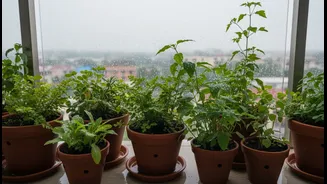
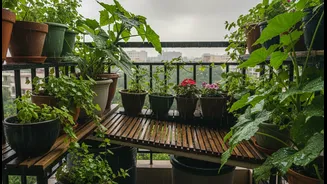
In the concrete expanses of city life, a thriving balcony garden has become a cherished extension of the home. It's an investment not only of money spent on pots, soil, and rare foliage, but also of time and emotion. These personal oases serve as havens
for mental wellbeing, improve local air quality, and provide a tangible connection to nature. This growing trend of plant parenting reflects a deeper desire for a sustainable and mindful lifestyle. Protecting this investment means being vigilant against common problems, and none is more stealthy or destructive to container gardens than root rot.
What Is This Silent Killer?
Root rot is a disease that, as the name suggests, causes the roots of a plant to decay. While overwatering is the primary trigger, the real culprits are fungal pathogens that thrive in waterlogged, oxygen-deprived soil. Healthy roots need to breathe. When soil stays too wet for too long due to poor drainage or overly frequent watering, these opportunistic fungi multiply and attack the plant's root system. Once the roots are compromised, they can no longer absorb the water and nutrients the plant needs to survive, leading to a swift decline.
Early Warning Signs Above the Soil
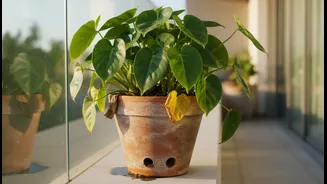
The tricky part about root rot is that its early symptoms often mimic those of an under-watered plant. You might notice the lower leaves starting to yellow and drop off. The entire plant might look wilted or droopy, even when the soil is damp to the touch—a classic and confusing sign that the roots are no longer functioning properly. Another subtle clue is stunted growth; if your plant has stopped producing new leaves during its growing season, it could be a sign of distress below the surface. Sometimes, you might even notice a musty or sour smell coming from the soil.
Getting to the Root of the Problem
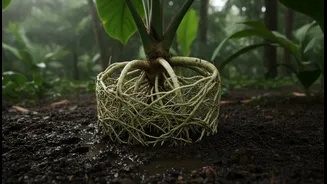
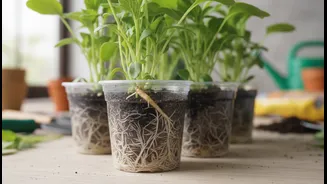
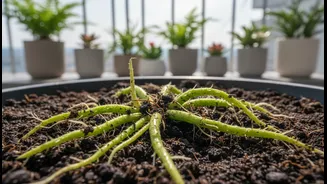
The only way to confirm a case of root rot is to perform a physical inspection. Gently slide the plant out of its pot to examine the root ball. Healthy roots are typically firm and white or light tan in color. In contrast, rotting roots will be brown or black, feel soft and mushy, and may fall apart easily when you touch them. In advanced cases, the outer layer of the root may slide right off, leaving a thin, hair-like strand behind. This direct examination is the most definitive way to diagnose the issue.
An Action Plan for Prevention
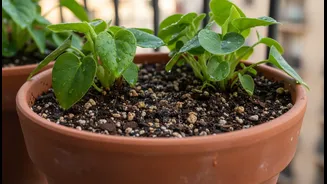
The best treatment for root rot is to prevent it from ever starting. First, ensure every pot has drainage holes. Terracotta pots are an excellent choice as their porous nature helps soil dry out more evenly. Second, use a well-draining potting mix; you can improve aeration by adding perlite or orchid bark. Third, master your watering technique. Instead of watering on a rigid schedule, check the soil first. A good rule of thumb is to water only when the top one to two inches of soil feel dry. Water thoroughly until it runs out the bottom, but never let the pot sit in a saucer full of water.
Executing an Emergency Rescue
If you’ve discovered root rot, quick action can save your plant. Remove it from the pot and wash away as much of the old soil as possible. Using a pair of clean, sterilized scissors, carefully trim away all the brown, mushy roots, leaving only the healthy, firm ones. If you have to remove a significant portion of the roots, it's a good idea to prune back about a third of the plant's leaves as well; this reduces the stress on the remaining roots as they recover. Finally, repot the plant in a clean pot with fresh, well-draining soil and be careful not to overwater it during its recovery.