


A Note on Food Safety
Before we dive into methods, let's talk safety. To prevent the growth of harmful bacteria, leftovers should be refrigerated within two hours of cooking. When you're ready to eat, the goal is to reheat food until it reaches an internal temperature of 165°F
(74°C) to ensure it's safe to consume. A food thermometer is the best way to check this. Finally, it's generally recommended to only reheat leftovers once.
For Crispy Things: The Air Fryer Is Your Friend
The air fryer excels at reviving foods that are meant to be crispy. Its circulating hot air is brilliant for driving off moisture from the food's exterior. This makes it the top choice for reheating items like french fries, fried chicken, and even pizza. For most foods, preheating your air fryer and then heating them at around 350-375°F (175-190°C) for 3-5 minutes does the trick. For fried chicken, let it sit at room temperature for about 15 minutes before air frying to help it heat more evenly and prevent it from drying out. You may need 5-10 minutes for larger pieces of chicken.
For Even Heating: Trust Your Oven
When you have a bit more time and want even, gentle heating, the oven is your most reliable tool. It's ideal for larger items like casseroles, lasagna, or multiple pieces of meat. The key is to go low and slow. A temperature around 350°F (175°C) is a good starting point. Covering the dish with foil helps trap steam, which prevents the food from drying out. For something like a leftover steak, an even lower temperature of around 250°F (121°C) can warm it through without overcooking it, followed by a quick sear in a hot pan to restore the crust.
For Soups, Sauces, and Pasta: Use the Stovetop
Liquid-based dishes like soups, stews, and curries are best reheated on the stovetop. Simply bring them to a gentle simmer, stirring occasionally, until they are heated through. For pasta, the stovetop method also shines. Reheating pasta in a skillet over low-to-medium heat with a splash of water, broth, or sauce helps rehydrate the noodles and prevents them from becoming dry and chewy. Creamy sauces should be heated on low to prevent them from separating.
For Speed and Steam: The Microwave's True Calling
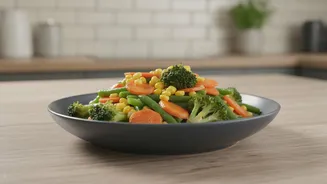
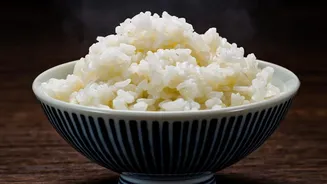
The microwave is unbeatable for speed, but it can make certain foods rubbery or soggy. Its strength lies in its ability to steam. This makes it excellent for reheating vegetables, rice, and saucy dishes. To successfully reheat rice, place it in a microwave-safe bowl with a tablespoon of water per cup of rice, cover it, and heat for 3-4 minutes until piping hot. This reintroduces moisture and makes it fluffy again. For other foods, covering the dish helps trap steam and ensures more even heating, but be sure to vent the cover to let some steam escape.
What About Pizza?
Leftover pizza is a category all its own and sparks fierce debate. While the microwave is fast, it often results in a floppy crust. For a single slice or two, a dry skillet or pan on the stovetop over medium heat is a fantastic option. Heat it for a few minutes until the bottom is crisp, then add a few drops of water to the pan and cover it for a minute to let the steam melt the cheese. For multiple slices, the oven or an air fryer will give you the best results, restoring the crispness of the crust. An oven set to 350°F (175°C) for about 10 minutes or an air fryer at 350°F for 3-5 minutes should do the job.