

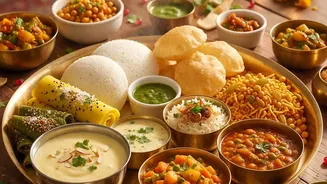
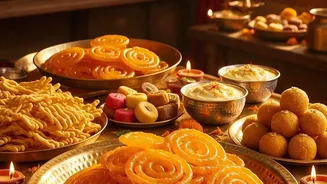
The scent of ghee, roasting flour, and spices once signalled Diwali's arrival weeks in advance. Today, that aroma is often joined by the crisp rustle of a box from a favourite sweet shop. This blend isn't a compromise; it's a new tradition.
The Modern Reality of Time
For generations,
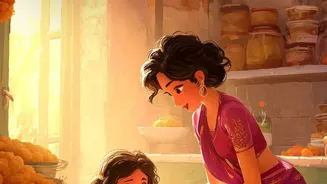
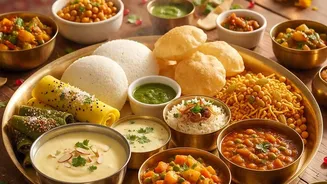
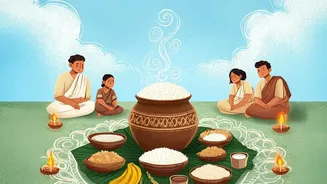
the preparation of Diwali snacks, or 'faral', was a cherished ritual, bringing families together for days of chopping, mixing, and frying. This act of making food together was a time for bonding and passing down unwritten family recipes. However, the structure of modern life has changed. With dual-income households, demanding careers, and the fast pace of urban living, dedicating several days to elaborate cooking is a luxury many can no longer afford. The festival preparations are now often condensed into a shorter, more intense period. Buying some snacks from the market is a practical solution that frees up precious time, allowing families to focus on other aspects of the celebration, like decorating the home, performing pujas, and most importantly, spending quality time together.
A Market Overflowing with Quality
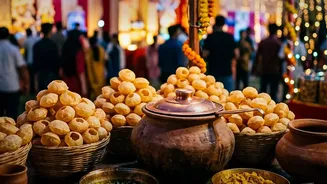
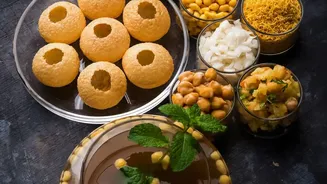
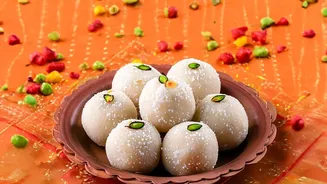
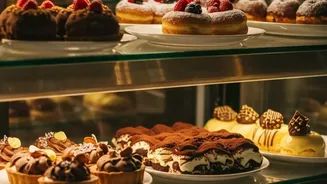
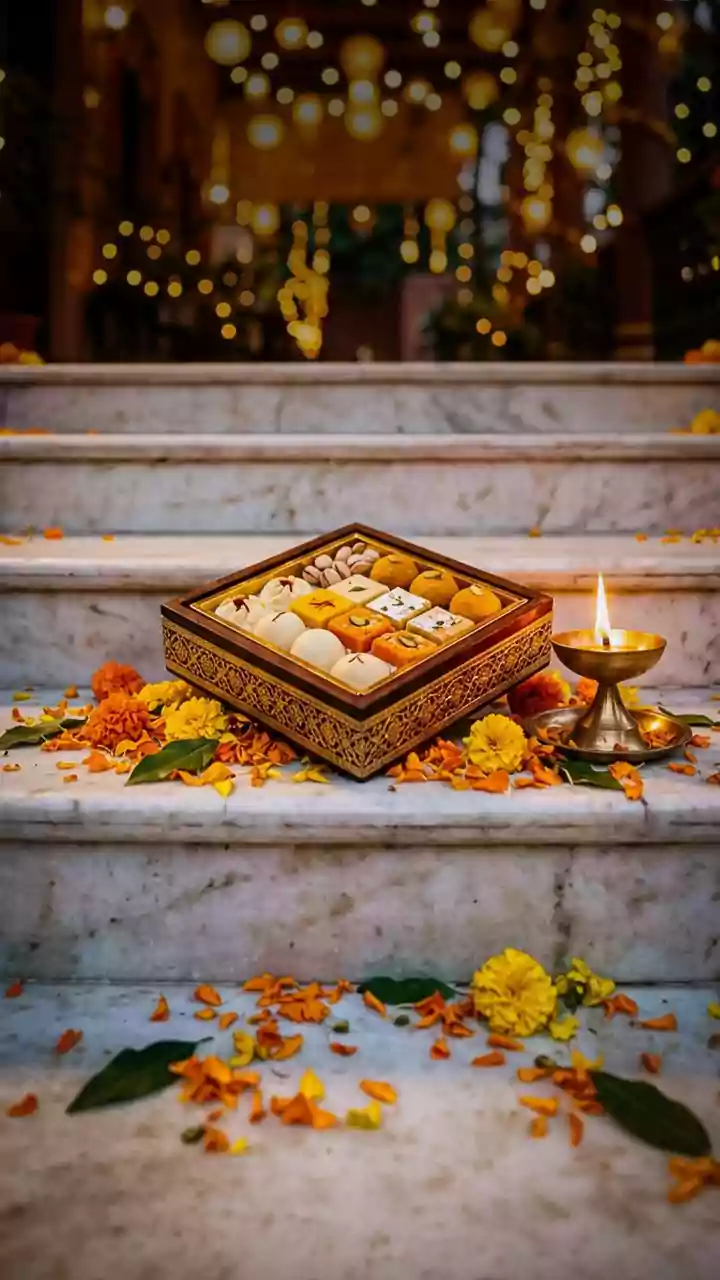
The decision to buy is no longer just about convenience; it is also about quality and variety. The market for Diwali treats has exploded beyond the standard neighbourhood 'mithaiwala'. Today, consumers can choose from artisanal, gourmet, and even health-conscious options. There are brands specialising in regional delicacies, ensuring an authentic taste that can be hard to replicate at home. This evolution means that store-bought no longer implies a compromise on flavour. Many also worry about the adulteration of ingredients like milk and mawa in mass-produced sweets during the high-demand festive season. In response, trusted brands and home chefs have emerged, offering hygienic, high-quality products that provide a 'homemade feel' without the labour.
The Best of Both Worlds
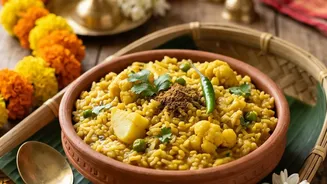
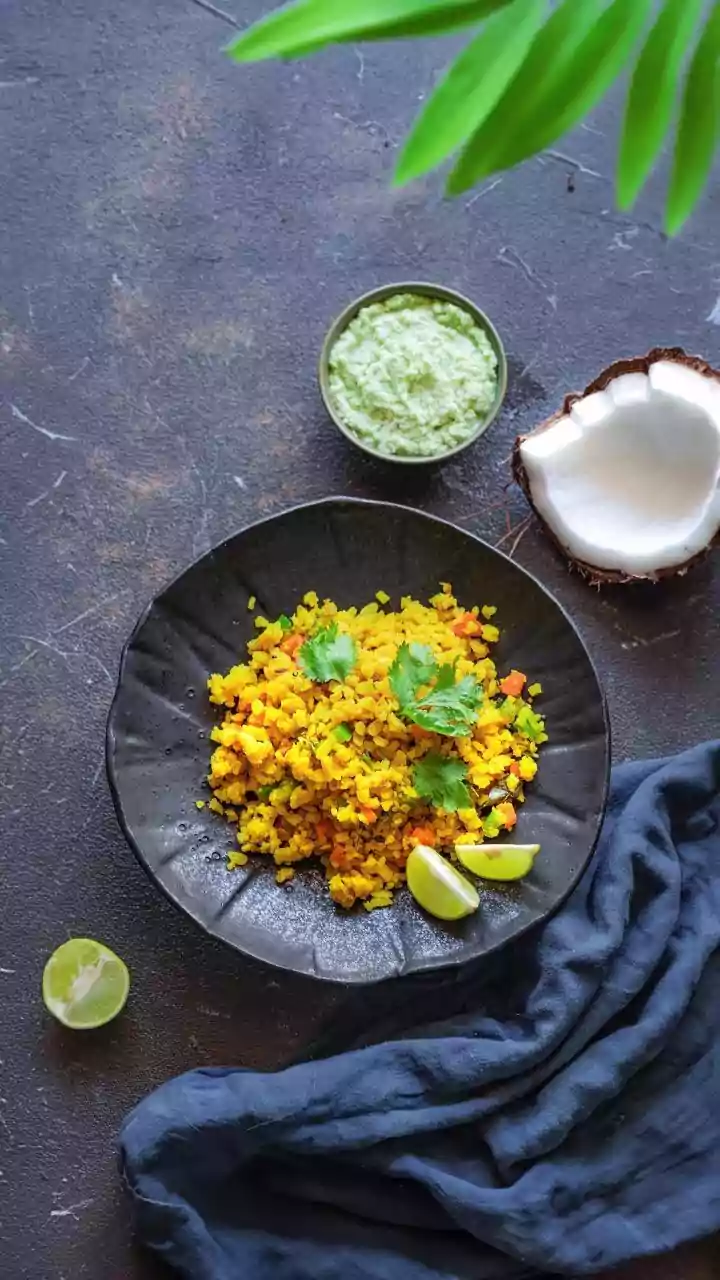
Few families have abandoned the tradition of homemade snacks entirely. Instead, a hybrid model has become the new norm. Most households now choose to prepare one or two signature dishes—the ones steeped in nostalgia and considered a family specialty, like a specific type of laddoo or a perfectly spiced chakli. These labours of love preserve the core of the family's culinary heritage. To complement these, they purchase items that are more complex to make or offer a different taste profile. This 'best of both worlds' approach allows families to maintain a tangible link to their roots while also exploring new flavours. It's a balance between the irreplaceable taste of home and the excitement of novelty.
Redefining Tradition and Togetherness
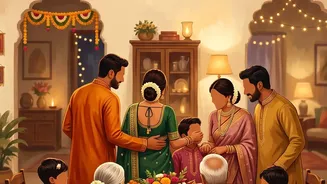
Ultimately, the spirit of Diwali is rooted in joy, prosperity, and togetherness. The exchange of sweets is a powerful symbol of goodwill and community bonding. As society evolves, so do the customs that define it. The shift towards a mix of homemade and store_bought snacks is not a sign of tradition fading, but of it adapting. The core purpose—sharing happiness and delicious food with loved ones—remains unchanged. By strategically buying some items, families can reduce the stress and physical exhaustion associated with festival preparations, allowing them to be more present and joyful during the celebrations themselves. This evolving practice reflects the dynamic nature of Indian culture, where tradition is not a rigid set of rules but a living, breathing entity that adapts to the realities of contemporary life.