

Embrace the Shoulder Season Sweet Spot
Experienced travelers often praise the 'shoulder season', and September is its prime time in the Northern Hemisphere. This is the period between the peak summer rush and the cooler off-season, offering a perfect blend of benefits. Popular destinations
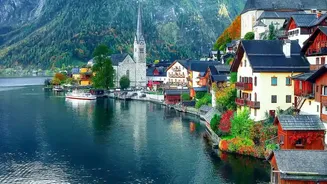
in Europe and North America become more enjoyable as crowds thin out, meaning shorter lines at museums and a more relaxed atmosphere overall. You can linger at a sidewalk cafe or stroll through historic streets without battling hordes of tourists. This shift also brings financial advantages, with both flights and accommodation often seeing a significant price drop compared to July and August. A hotel that seemed out of reach might suddenly become affordable, allowing your budget to stretch further.
Prioritise Your Travel Style and Vibe
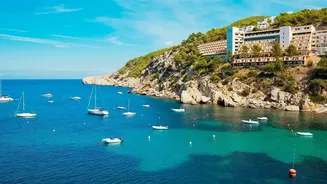
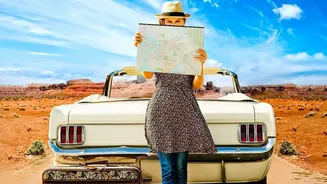
Solo travel offers the ultimate freedom to tailor a trip to your exact preferences. Before settling on a destination, take a moment to consider what you truly want from this experience. Are you seeking relaxation on a quiet beach, or are you craving an adventure packed with hiking and outdoor activities? Perhaps your goal is cultural immersion, with a focus on museums, architecture, and local food. September accommodates all these styles. For sunshine and warm seas without the summer swelter, places like Croatia and Greece are ideal. For adventure, Costa Rica's hubs offer canyoning and hiking. Meanwhile, cities known for their cultural scenes, like Montreal or those in Spain, host festivals and events that provide a unique local flavor. Matching the destination's vibe in September with your personal travel goals is the first step toward a fulfilling journey.
Weather Wisdom and Smart Packing
September is a transitional month for weather. While many places in the Northern Hemisphere still enjoy warm, sunny days, the scorching heat of summer typically subsides to more comfortable temperatures. This makes it perfect for activities like walking tours or exploring national parks. However, it's also a month where weather can be unpredictable. Cooler evenings are common, and some regions might start to see more rain. The key is to research the specific climate of your intended destination for that time of year. Packing layers is always a wise strategy. A light jacket, a waterproof shell, and a mix of short and long-sleeved tops will prepare you for varying conditions, ensuring you're comfortable whether you're exploring a sun-drenched coast or a crisp mountain town.
Safety as a Foundational Factor
Safety is paramount for any traveler, but it requires special attention when you're going it alone. Before booking, research the safety landscape of your potential destinations. This includes understanding safe neighborhoods, common scams to be aware of, and local customs. Choosing a destination known for being safe and friendly to tourists can ease the learning curve, especially for a first-time solo trip. Countries like Japan, Portugal, and Iceland are often recommended for their safe environments and easy-to-navigate public transport. Beyond the destination itself, personal safety practices are crucial. Always share your itinerary with someone back home, consider arriving at a new destination during daylight hours, and pre-book your accommodation for the first night to ensure a smooth and secure arrival.
Budgeting Beyond Flights and Hotels
While shoulder season savings on flights and hotels are a major perk, a smart solo travel budget accounts for more than just the big-ticket items. Think about your daily expenses: food, local transportation, activity fees, and shopping. September often brings unique opportunities, like harvest festivals in Spain or Italy, which you'll want to budget for. Researching local transit options can save you a significant amount; in some places, a daily or weekly pass is far more economical than individual tickets. It's also wise to have a contingency fund for unexpected costs or spontaneous adventures. The freedom of solo travel means you might discover a tour or a restaurant you hadn't planned for, and having a flexible budget allows you to say yes to those moments.