




Day 1: Gateway of India, Mumbai
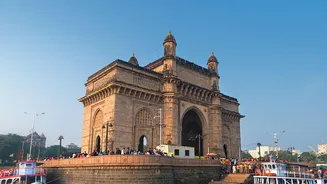
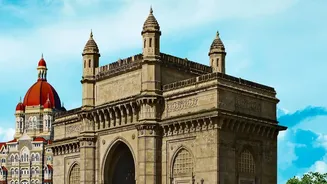
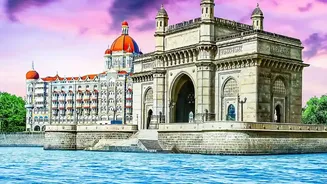
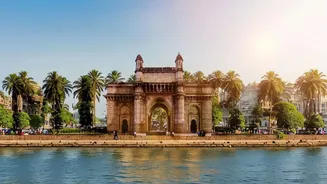
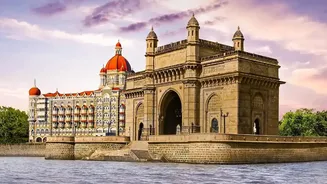
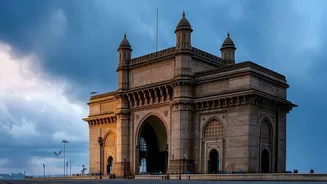
Mumbai’s most iconic landmark, the Gateway of India, is a magnet for locals and tourists alike. From mid-morning onwards, the plaza buzzes with photographers, vendors, and countless visitors, making a peaceful moment rare. However, the monument is open
24 hours a day, and an early morning visit is a completely different experience. Arriving just after sunrise, you’ll find the area blissfully calm. The soft morning light casts a golden glow on the basalt arch, creating stunning photo opportunities against the Arabian Sea. You can admire the Indo-Saracenic architecture without jostling for space and then catch the first ferry to the Elephanta Caves, beating the inevitable queues that form later in the day. The first ferries typically start around 9:00 AM.
Day 2: Ellora Caves, Aurangabad
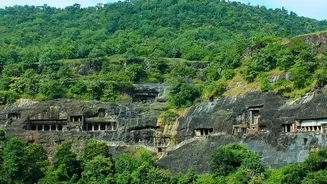
A UNESCO World Heritage site, the Ellora Caves are a testament to religious harmony, with Hindu, Buddhist, and Jain rock-cut temples. The complex opens as early as 6:00 AM. Its crown jewel, the monolithic Kailasa Temple (Cave 16), can feel more like a crowded market by noon. Starting your exploration at dawn allows you to witness the sheer scale and intricate carvings of this eighth-century marvel in relative solitude. The cooler morning temperatures make navigating the expansive site, which includes 34 public-facing caves, far more comfortable. Since Ellora is closed on Tuesdays, it's wise to plan your visit accordingly, often pairing it with a trip to Ajanta on a different day.
Day 3: Ajanta Caves, Aurangabad
The Ajanta Caves, famous for their ancient and remarkably preserved paintings, are another must-visit heritage site. Located about 100 km from Aurangabad, the journey itself takes a few hours. The caves open at 9:00 AM, and arriving right at opening time is crucial. By late morning, tour buses arrive in droves, and the narrow, dimly lit cave interiors become packed, making it difficult to appreciate the delicate artwork depicting the Jataka tales. An early start ensures you have a clearer, more intimate view of these masterpieces. Remember that Ajanta is closed on Mondays, a key detail for planning your itinerary. Also, flash photography is forbidden to protect the fragile murals.
Day 4: Bibi Ka Maqbara, Aurangabad
Often called the 'Taj of the Deccan', Bibi Ka Maqbara was commissioned by a son of Aurangzeb in memory of his mother. While smaller and less opulent than its famous inspiration in Agra, its charm lies in its elegant proportions and quieter atmosphere. The mausoleum opens at 8:00 AM and an early visit is highly recommended. In the morning, you can stroll through the Mughal-style gardens and admire the white dome reflected in the water channels without the midday heat and crowds. The soft light enhances the intricate marble carvings and allows for beautiful, unobstructed photographs of this tribute to a queen. The cooler morning air also makes exploring the grounds a far more pleasant experience.
Day 5: Shaniwar Wada, Pune
The historic seat of the Peshwas of the Maratha Empire, Shaniwar Wada in Pune, is a site steeped in history and folklore. The palace fort, though largely in ruins, attracts a steady stream of visitors to its massive gates and fortified walls. The site generally opens between 8:00 AM and 9:00 AM. Visiting early allows you to explore the grounds in peace, imagining its former grandeur without the distraction of large tour groups. The morning is also the best time for photography, capturing the imposing Delhi Darwaja and other structures in gentle light. Given that much of the fort is open-air with limited shade, an early start helps you avoid Pune’s intense afternoon sun, especially in the summer months.