



Cumin, or jeera, water is celebrated in many Indian households as a go-to wellness drink. Praised for aiding digestion and weight loss, this simple infusion has become a viral health hack. But can this single ingredient truly work wonders on its own?
The Rise of a Kitchen Staple
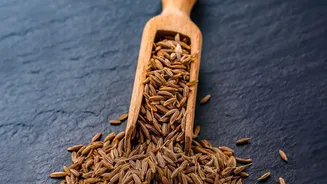
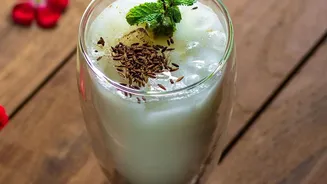
Walk into almost any Indian kitchen, and you will find a container of cumin seeds. For centuries, jeera has been a cornerstone of our cuisine, adding an earthy, warm flavour to everything from dals to sabzis. Beyond the cooking pot, it has a long history in traditional medicine as a remedy for digestive troubles. In recent years, jeera water—made by soaking or boiling the seeds in water—has gained immense popularity as a 'detox drink' and a simple tool for weight management. Social media is filled with claims that a glass a day can melt belly fat, boost metabolism, and cleanse your system, making it sound like a miracle cure.
The Real Benefits of Cumin
The hype isn't entirely baseless. Cumin seeds are nutritionally potent. They are a good source of minerals like iron and manganese. The seeds contain bioactive compounds like thymol, which stimulates digestive enzymes, potentially easing issues like bloating and indigestion. Research has pointed to cumin's antioxidant and anti-inflammatory properties, which are beneficial for overall health. Some small-scale studies have suggested that cumin, when added to a calorie-controlled diet, may modestly support weight loss and improve metabolic markers like blood sugar and cholesterol. It is an unsweetened, low-calorie beverage that can help with hydration and replace sugary drinks, which is a clear win.
Where a Single Ingredient Falls Short
Here's the crucial reality check: no single food or drink can be a magic bullet for health. Cumin water contains only trace amounts of the nutrients found in whole seeds and provides virtually no protein, fibre, healthy fats, or the vast array of vitamins your body needs. Claims about 'melting belly fat' are misleading; no food can target fat loss in one specific area of the body. While some studies on cumin supplements (which are highly concentrated) show promising results, this doesn't directly translate to the same effects from homemade jeera water. Relying on it as a primary health strategy creates a false sense of security and overlooks the most important factor: your overall diet.
What a Balanced Diet Actually Is
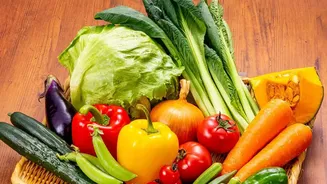
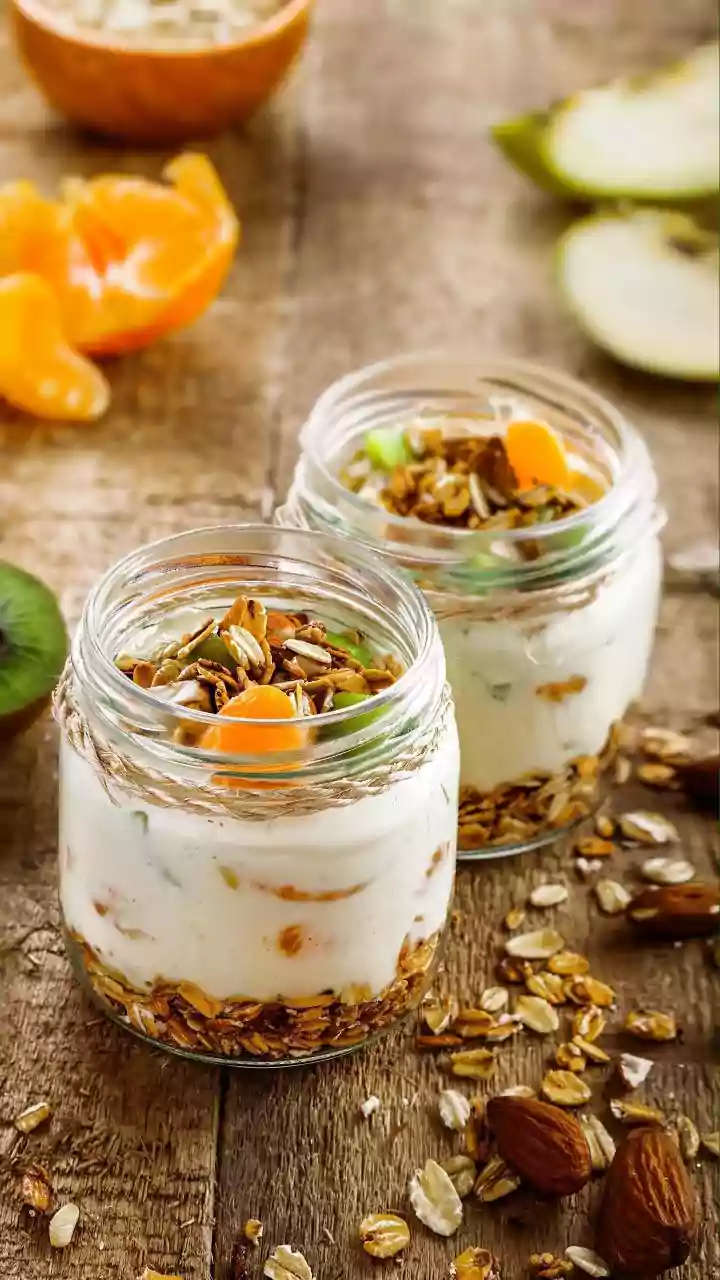
A truly balanced diet is about variety and proportion. Health experts recommend that a healthy plate should be composed of different food groups. This includes a colourful mix of fruits and vegetables, whole grains like roti and brown rice for sustained energy, lean proteins such as dal, paneer, and eggs for muscle repair, and healthy fats from sources like nuts and seeds. This combination ensures you get the full spectrum of macronutrients (carbs, protein, fat) and micronutrients (vitamins and minerals) that your body requires to function optimally, from maintaining energy levels to supporting your immune system. Cumin water, while beneficial, provides none of this diversity.
Finding the Right Place for Cumin Water
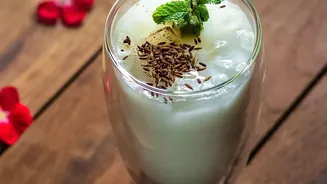
Instead of viewing cumin water as a cureall,' it's better to see it as a healthy component of a larger wellness routine. Think of it as a supporting actor,' not the star of the show.' Enjoying a glass of warm jeera water in the morning can be a soothing ritual that aids digestion and keeps you hydrated.' It's a far healthier choice than starting your day with sugary tea or coffee.' However,' its benefits are maximised only when it complements a diet rich in diverse,' whole foods and an active lifestyle.' While generally safe,' excessive consumption can lead to side effects like heartburn or an undesirable drop in blood sugar for some individuals.