

The Hidden Dangers in the Dish
That slimy coating you might feel inside your pet’s water bowl has a name: biofilm. This film is a community of microorganisms, including bacteria, fungi, and algae, that have attached to the surface. A pet's bowl can be a breeding ground for harmful
bacteria like Salmonella, E. coli, and Listeria. These pathogens don't just pose a risk to your pet's health, potentially causing digestive issues or more serious infections; they can also affect the human members of your household, particularly children, the elderly, and those with compromised immune systems. In fact, studies have ranked pet bowls as one of the germiest items in the home. Simply rinsing a bowl is not enough to remove this sticky, resilient biofilm.
Your Simple Daily Cleaning Routine
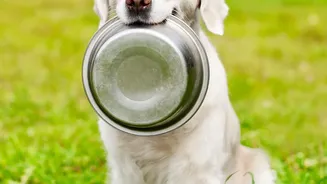
Consistency is the most effective tool against bacteria. The U.S. Food and Drug Administration (FDA) recommends that pet food bowls be washed after every meal. Water bowls should be washed at least once a day. The best method is simple and familiar: hot water and soap. Use a dedicated sponge or brush to avoid cross-contamination with your own dishes. Wash the bowl thoroughly, scrubbing to break up any food residue or biofilm. Rinse it completely to remove all soap, and then dry it thoroughly before the next use. If your pet's bowls are dishwasher-safe, you can also run them through a hot cycle for effective cleaning and sanitization. Many experts suggest having two sets of bowls, so a clean one is always ready.
Weekly Deep-Clean and Disinfection
In addition to daily washing, a weekly disinfection provides an extra layer of protection. After cleaning the bowl with soap and water to remove debris, you can use a disinfecting solution. A common and effective method is to soak the bowl for about 10 minutes in a solution of diluted household bleach. The CDC recommends a mixture of about two teaspoons of bleach per gallon of water for this purpose. After soaking, it is critical to rinse the bowl thoroughly with fresh water to remove all traces of the bleach solution. Finally, let the bowl air dry completely before refilling it. Always follow product instructions and ensure you are using a standard, unscented bleach.
Choosing the Right Tools for the Job
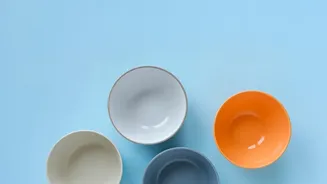
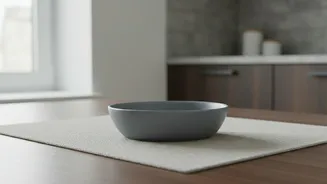
The material of your pet's bowl plays a significant role in hygiene. Stainless steel is widely considered the best choice by veterinarians. It is non-porous, meaning it doesn't harbor bacteria as easily as other materials. It's also durable and easy to clean thoroughly. Ceramic bowls are another good option, provided they are made with a lead-free, food-grade glaze that is fully intact. However, ceramic can chip or crack, and these imperfections can become hiding spots for bacteria, so they should be inspected regularly. Plastic bowls are generally the least recommended option. They scratch easily, and these tiny grooves can trap bacteria, making them difficult to clean effectively. Over time, some plastics may also leach chemicals into your pet's food.
Beyond the Bowl: A Clean Feeding Area
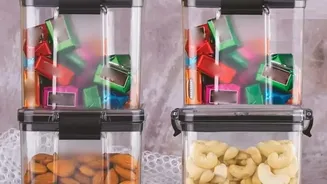
Hygiene doesn't stop with the bowl itself. The entire feeding area should be kept clean. Use a placemat under the bowls to catch spills and crumbs, and wash it regularly. Wipe up any spills on the floor promptly. It's also important to practice good food handling. The FDA advises washing your hands with soap and water for at least 20 seconds before and after handling pet food. Use a clean scoop or spoon to portion out food, rather than using the bowl itself, to prevent transferring bacteria from the bowl into the food supply. Store dry pet food in an airtight container to keep it fresh and free from contaminants.