


From Festive Menu to Edible Storytelling
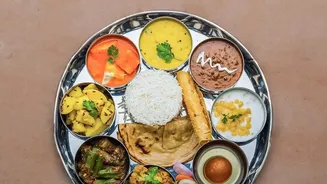
For years, a 'special festival menu' meant a predictable buffet or a slightly more elaborate thali. While enjoyable, the concept is now undergoing a sophisticated transformation. Restaurants across India are reimagining festive dining as a form of edible
storytelling. Instead of just presenting a collection of dishes, chefs are curating multi-course experiences that guide diners through the nuances of a festival. Each dish on the menu tells a story, representing a specific regional tradition, a forgotten recipe, or a particular day of the celebration. This approach turns a meal into a cultural event, where food becomes a vehicle for deeper appreciation of India's diverse heritage.
The Onam Sadhya: A Perfect Blueprint
The Onam Sadhya is arguably the original curated food journey. This elaborate vegetarian feast, traditionally served on a banana leaf, is a masterclass in balance, flavour, and culinary heritage. Restaurants now meticulously recreate this experience, often featuring over 25 to 30 distinct dishes that must be eaten in a specific order to be fully appreciated. From the initial placement of salt and pickles to the procession of pachadis, thorans, and gravies like sambar and pulissery, the Sadhya is a culinary marathon. Establishments like The Leela and JW Marriott in major cities have made this an annual tradition, bringing in master chefs to ensure every element, from the inji puli to the final payasam, is authentic. This isn't just a meal; it's a ritual of togetherness and abundance, perfectly packaged.
Durga Puja's Grand Bhuribhoj
Similarly, during Durga Puja, the Bengali grand feast or 'Bhuribhoj' becomes a focal point of celebration. Restaurants in Kolkata and beyond are crafting menus that reflect the culinary soul of Bengal. These menus often go beyond the standard Kosha Mangsho and Luchi. You might find a menu that traces the culinary differences between East and West Bengal (Ghoti vs. Bangal), or offers modern interpretations of street food classics like the beguni chaat or rosogolla chaat. Hotels like the JW Marriott in Kolkata have curated extensive 'Mahabhoj' buffets that showcase everything from Gondhoraj Fish Tikka to Posto Murgi, allowing diners to journey through the state's rich gastronomic landscape in one sitting.
The Chef as Cultural Curator
This trend positions the chef not just as a cook, but as a cultural ambassador. Many are delving into research, unearthing heirloom recipes and sourcing hyperlocal ingredients to lend authenticity to their menus. They are creating experiences that educate the palate and connect diners, especially younger generations, to their roots. This shift is driven by a growing consumer desire for experiences that are both authentic and exclusive. Diners are no longer satisfied with generic offerings; they seek meals that have a story, a sense of place, and a connection to tradition. By offering these curated journeys, restaurants differentiate themselves in a competitive market while also acting as custodians of culinary heritage.