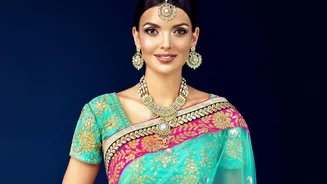








The Indian beauty landscape is undergoing a quiet but powerful revolution. Gone are the days of a one-size-fits-all approach. Today, beauty is less about occasion-based glamour and more about a deeply personal, daily ritual of self-care.
From Fair and Lovely to Targeted Solutions
For decades, the
Indian beauty market was dominated by a singular narrative, often revolving around skin lightening. However, a significant cultural and consumer shift is underway. The modern Indian consumer is moving beyond generic products that promise a uniform ideal. Instead, they are seeking solutions for their specific concerns, whether it's managing acne, tackling hyperpigmentation, or protecting their skin barrier from urban pollution. This change is driven by a generation that views beauty not as a tool for conformity, but as a form of individual expression and health. Brands are responding, with product lines that cater to a diverse spectrum of skin types, tones, and needs, reflecting a market that is finally beginning to celebrate, rather than correct, individuality.
The Rise of the 'Skintellectual'
A key driver of this personalization trend is the emergence of the 'skintellectual'—a highly informed and digitally savvy consumer. Thanks to social media platforms like Instagram and YouTube, access to information has been democratized. Beauty influencers, dermatologists, and skincare experts now serve as virtual educators, demystifying complex ingredients and explaining the science behind formulations. Indian consumers are no longer just buying products; they are researching active ingredients like niacinamide, hyaluronic acid, and salicylic acid. They read reviews, compare formulations, and demand transparency from brands about what goes into their products. This has forced brands to shift from marketing-led persuasion to formulation-led credibility.
Tech as a Personal Beauty Concierge
Technology is playing a pivotal role in making personalized beauty accessible. Direct-to-consumer (D2C) brands are leveraging AI-powered tools, such as online skin quizzes and virtual consultations, to offer tailored product recommendations. This data-driven approach allows brands to gain deep insights into customer preferences and deliver a bespoke experience that traditional retail often cannot match. The rise of D2C has also led to an explosion of homegrown brands that are nimble and consumer-centric, directly engaging with their community to co-create products. This direct line of communication builds trust and loyalty in a crowded market.
Beauty as a Daily Wellness Ritual
The conversation around beauty has expanded to encompass overall wellness. The pandemic accelerated a shift towards self-care, turning daily skincare into a mindful ritual rather than a chore. This has fueled the 'skinimalism' trend, which favors a less-is-more approach with fewer, more effective products over complicated 10-step routines. The focus is now on long-term skin health and achieving a natural glow from within, where healthy skin is the ultimate foundation and makeup becomes an optional accessory. This routine-based approach also sees sunscreen becoming a non-negotiable daily staple, and body care receiving the same targeted attention as facial skincare.
The New Indian Beauty Shelf
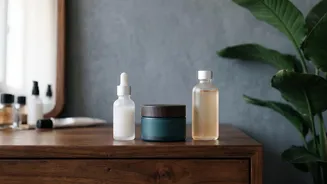
So, what does the modern Indian beauty shelf look like? It is a curated collection that reflects a personal journey. It might feature a blend of science-backed serums from a D2C innovator like Minimalist, alongside a heritage-inspired product from a brand like Kama Ayurveda. It's characterized by ingredient transparency and multi-functional products that simplify routines without sacrificing efficacy. This new shelf is less about accumulating products and more about building a consistent, intentional routine that nurtures the skin. It represents a move away from chasing fleeting trends and towards a more sustainable and authentic relationship with beauty.