






Why Your Flower Bill Is Higher This Year
The primary reason for the steeper prices is a classic case of demand surging while supply is strained. Kerala depends heavily on neighbouring states like Tamil Nadu and Karnataka for its festive flower supply, particularly from major cultivation hubs
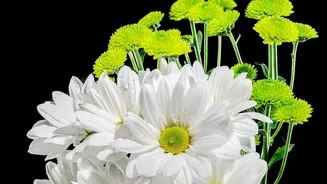
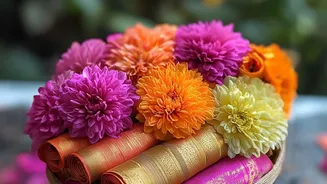
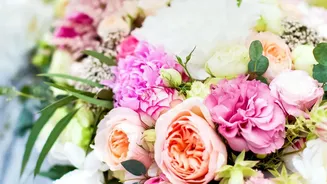
like Coimbatore, Gundlupet, and Hosur. This year, poor rainfall and water scarcity in these regions have led to reduced yields, creating a significant supply crunch. Add to this the ever-present factors of rising fuel and transportation costs, and it's clear why vendors are charging more. The auspicious month of Chingam also hosts the wedding season, which further drives up demand and prices for popular flowers like jasmine, which are not even traditionally a pookalam staple. As a result, prices for essentials like marigolds, chrysanthemums, and globe amaranth (vaadamalli) have seen a sharp increase.
Embrace the ‘Less Is More’ Philosophy
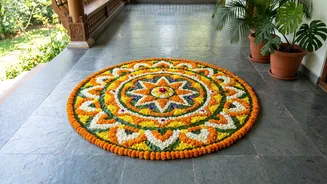
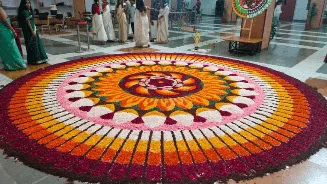
Traditionally, the pookalam is not a static creation. It begins on Atham day as a small, simple design, often with just one or two types of flowers, and grows in size and complexity with each passing day, culminating in a grand arrangement for Thiruvonam. Adopting this practice is a fantastic way to manage your budget. Start with a modest, single-layer circle and add a new ring of flowers each morning. This approach not only honours tradition but also spreads the cost over ten days, preventing a large, one-time expense. For those in apartments or with limited space, a smaller, compact design at the entrance can be just as welcoming and beautiful without requiring kilograms of petals.
Forage in Your Own Backyard
Before the market became the primary source, pookalams were made with flowers and leaves foraged from the immediate surroundings. This Onam, consider reviving that tradition. Your garden or neighbourhood may be home to many beautiful and free alternatives. Bright red hibiscus (chembarathi), vibrant red Thetti (Ixora), delicate white Thumba, and the ubiquitous Shankhupushpam (butterfly pea) can add colour and texture. Don’t underestimate the power of foliage. Using different kinds of leaves—mango leaves, tulsi, or even various green ornamental plants—can add volume and a lovely green contrast to your design, significantly reducing the quantity of expensive flowers you need to buy.
Shop Smart at the Market
When you do head to the market, a little strategy goes a long way. Marigolds (jamanthi), despite price hikes, remain one of the most voluminous and relatively budget-friendly options for filling out large sections of your design. Look for local initiatives like Kudumbashree, which has been promoting local flower cultivation across Kerala to help stabilise prices and reduce dependence on other states. Buying from these local collectives or smaller neighbourhood vendors can sometimes be cheaper than at major market centres. If possible, consider a community pookalam. Collaborating with neighbours in your apartment building or on your street to create one large, shared floral carpet can split the cost while creating something truly spectacular and fostering community spirit.
Rethink Your Colour Palette and Design
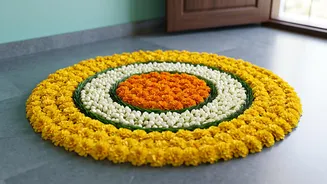
While a rainbow of colours is stunning, a pookalam with a limited, high-contrast palette can be equally striking. Choosing just two or three types of affordable flowers, like yellow marigolds, white chrysanthemums, and orange globe amaranth, can create a bold and beautiful effect without breaking the bank. Get creative with the design itself. Instead of filling every inch with petals, you can use natural powders like rice flour for outlines and patterns. Incorporating a traditional nilavilakku (lamp) at the centre not only adds a divine glow but also takes up space that would otherwise need to be filled with flowers. The goal is to celebrate, and creativity is often born from constraints.