
Create a Separate Sanctuary
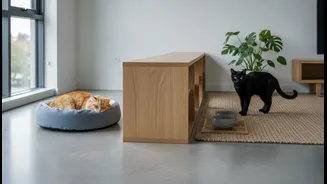
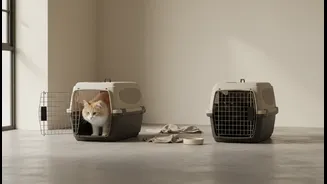
Before your new cat arrives, designate a "sanctuary room" where they will live for at least the first week or two. This could be a spare bedroom or even a large bathroom. Equip it with everything the new cat needs: their own food, water, litter box, bedding,
and toys. This separation is crucial. It gives your new cat time to decompress from the stress of a shelter and a new environment, while allowing your resident cat to get used to the idea of another feline's presence through scent and sound alone. Do not allow them to see each other during this initial phase.
The Art of Scent Swapping
Cats learn about each other primarily through their sense of smell. Once the new cat has settled into their room, you can begin scent swapping. Take a blanket or soft towel that your new cat has slept on and place it in your resident cat’s space. Do the same with your resident cat’s bedding for the new cat. You can also use clean socks to gently rub each cat’s cheeks and then present the sock to the other cat. The goal is to make the other cat's scent a normal, non-threatening part of the environment before they ever meet face-to-face.
Positive Associations Through a Door
Once both cats are calm with each other's scents, start creating positive associations. Begin feeding them on opposite sides of the closed sanctuary room door. This helps them connect the pleasant experience of eating with the presence of the other cat. If they eat calmly, you can gradually move the bowls closer to the door over several days. If you notice any hissing or growling, move the bowls further apart again. Keep these sessions short and always end on a positive note.
First Sight: Visual but No Contact
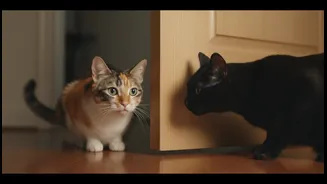
When both cats are comfortable eating right next to the door, it’s time for the first visual introduction. This must be done through a barrier to prevent any physical contact. You can stack two baby gates in the doorway, use a screen door, or crack the main door just enough for them to see each other. Keep these visual meetings very brief at first—just a few minutes. Use high-value treats or toys to keep the experience positive for both cats. The moment you see any signs of serious stress, like a puffed-up tail, flattened ears, or intense staring, calmly end the session.
Supervised Meetings in a Neutral Space
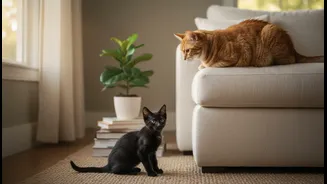
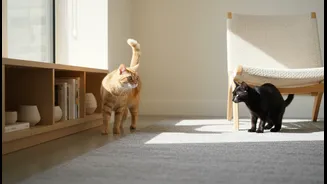
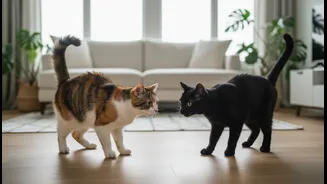
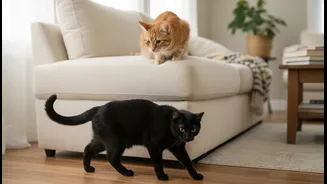
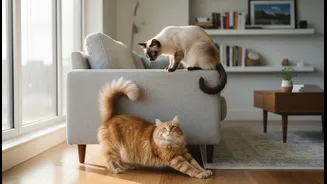
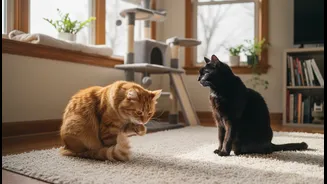
After many successful visual sessions, you can allow the first face-to-face meeting. This should be in a neutral, open area of the home where neither cat feels overly territorial. Keep the meetings short and always supervised. Have toys and treats ready to create a positive, distracted atmosphere. It's normal to see some mild hissing or swatting, but you should intervene with a loud clap or by tossing a toy if a real fight seems imminent. Never let them "fight it out," as this can ruin the relationship permanently. Gradually increase the time they spend together as they become more comfortable.
Reading the Signs and Being Patient
Throughout this process, which can take anywhere from a few weeks to several months, the most important thing is patience. Pay close attention to both cats' body language. A relaxed body, slow blinks, and casual grooming are great signs. Hiding, changes in appetite, or litter box issues are signs of significant stress, indicating you need to slow down or go back a step. A setback is not a failure; it’s just a signal to give the cats more time. Forcing the relationship will only create more anxiety and conflict.