

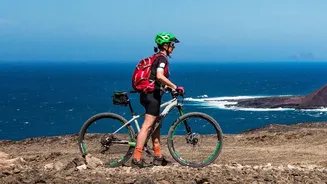
Cycling in Malta: What to Know First
Before you clip in, it's wise to understand the local cycling environment. Malta's main island can be challenging due to high traffic density and narrow roads, especially in tourist hubs like Sliema and Valletta. Many locals and experienced visitors suggest
that early morning rides (before 7:30 AM) are best to avoid congestion. Driving is on the left, and while helmets are not mandatory for adults, they are strongly recommended. The terrain across the Maltese islands is varied, featuring flat promenades, rolling hills, and some steep inclines, so choosing a route that matches your fitness is key. For a more relaxed experience, many cyclists prefer the quieter roads of Malta's sister island, Gozo.
Beginner Route: The Valletta to Sliema Promenade
For those new to cycling or seeking a leisurely, flat ride, the urban route connecting Valletta's historic waterfront to the bustling town of Sliema is ideal. Spanning approximately 5 kilometres, this path is almost entirely flat and offers a fantastic blend of architectural sights and coastal charm. You'll pedal past fortifications, traditional Maltese balconies, and the stunning Marsamxett Harbour. The Sliema promenade section is particularly enjoyable, offering wide, car-free paths perfect for a relaxed pace. With numerous cafes along the way, it’s a journey that encourages frequent stops to soak in the views, making it suitable for all ages and fitness levels.
Intermediate Ride: The Southern Coast Loop
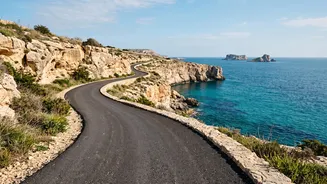
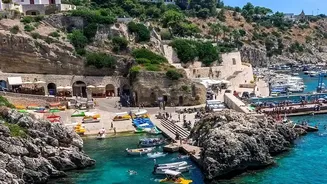
Riders with a good fitness level can tackle the scenic routes of Malta's southern coast. A popular choice is the 15 km ride from the area of the Blue Grotto to the fishing village of Marsaxlokk. This route involves moderate, hilly terrain but rewards cyclists with breathtaking sea views and access to ancient historical sites like the Ħaġar Qim and Mnajdra temples. Starting near the famous Blue Grotto, the path winds along the coast before heading slightly inland towards Marsaxlokk, famous for its colourful 'luzzu' fishing boats and waterfront market. The combination of rolling hills and cultural stops makes this a satisfying day trip for the moderately experienced cyclist.
Advanced Challenge: The Western Cliffs and Coastline
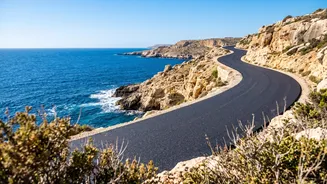
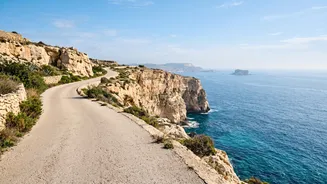
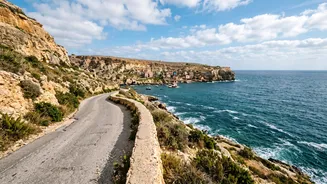
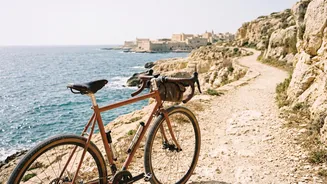
Experienced cyclists looking for a serious challenge should head to the island's west coast. This region is home to the Dingli Cliffs, Malta's highest point, which stands around 250 meters above sea level. A route from Rabat to the cliffs and then north towards Golden Bay combines steep climbs, thrilling descents, and some of the most dramatic scenery on the island. This area features a mix of rural roads and rugged coastal tracks, with some sections requiring confidence in handling both traffic and rougher surfaces. The rewards are unparalleled panoramic views of the Mediterranean and the satisfaction of conquering Malta's most demanding coastal terrain. A full circuit of the main island is also an option for the very committed, covering around 93 km with significant elevation gain.
Bonus Ride: The Gozo Coastal Loop
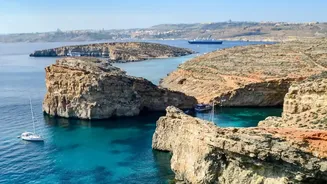
For a truly memorable cycling experience, a day trip to Gozo is a must. A 35-minute ferry ride from Malta, Gozo offers a more tranquil and rural cycling environment with significantly less traffic. A full coastal loop is approximately 45 km and is best suited for cyclists with some experience due to its hilly nature. The route takes you past iconic landmarks like the Ta' Pinu Basilica, the Xwejni salt pans, the red sands of Ramla Bay, and the dramatic cliffs at Dwejra. While challenging in parts, the stunning, unspoiled landscapes and peaceful country lanes make Gozo a cyclist's paradise. For those concerned about the hills, renting an e-bike is a popular and highly recommended option.