




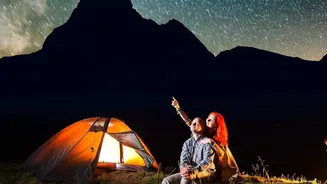
What is Dark-Sky Travel?
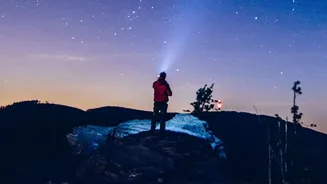
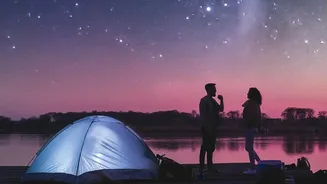
Dark-sky travel, or astrotourism, is the simple yet profound act of travelling to a location with minimal light pollution to experience the night sky in its full, unobscured glory. It’s about more than just a casual glance at the stars; it’s an intentional
journey to witness celestial phenomena like the Milky Way, meteor showers, and distant galaxies that are invisible from most urban areas. This trend is driven by a desire to reconnect with nature and escape the constant glow of city life. A true dark-sky destination isn't just a remote spot; many are officially recognised as 'Dark Sky Places' by organisations that work to preserve the natural darkness. These can be parks, reserves, or sanctuaries committed to keeping artificial light to a minimum.
The Allure of the Night Sky
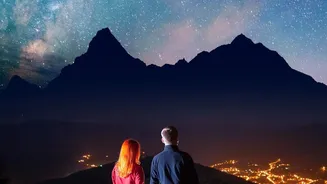
So why is this trend taking off now? A major factor is the increasing light pollution in our cities, where it's estimated that a vast majority of the population can no longer see the Milky Way. This has turned a clear, starry night into a rare and sought-after experience. But the appeal goes deeper. Experts note a growing desire for digital detox and wellness-focused travel. Stargazing offers a form of natural stress reduction, encouraging mindfulness and a sense of awe that can help put everyday worries into perspective. Psychologists have even noted the mental health benefits of looking up, as it can trigger a state of 'soft fascination' that allows the brain to rest and recover. For many, it's also a nostalgic return to the skies of their childhood.
India's Celestial Hotspots
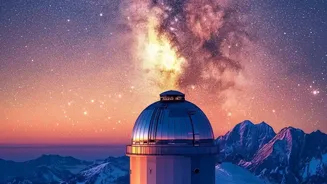
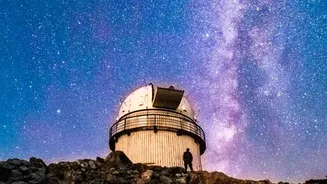
India, with its vast and diverse landscapes, is perfectly positioned to become a global hub for astrotourism. The undisputed crown jewel is the Hanle Dark Sky Reserve in Ladakh, India's first officially designated dark-sky sanctuary. Located at a high altitude within the Changthang Wildlife Sanctuary, Hanle offers some of the clearest and darkest skies in the world, making it a prime location for the Indian Astronomical Observatory. The number of visitors to Hanle has surged since its designation, a clear sign of the trend's growth. Other prime locations include the high-altitude deserts of Spiti Valley in Himachal Pradesh, known for its dramatic landscapes and pristine skies in villages like Kaza and Kibber. The flat, expansive Rann of Kutch in Gujarat offers an unforgettable view of the stars over the white salt desert, while remote parts of Coorg in Karnataka and the islands of Andaman and Nicobar also provide spectacular celestial views.
More Than Just Looking Up
A dark-sky holiday is an immersive experience. In destinations like Hanle, local communities are getting involved, with residents trained as 'astronomy ambassadors' to guide tourists. These trips often include guided sessions with powerful telescopes, allowing you to see planets, nebulae, and distant galaxies up close. For photography enthusiasts, astrophotography workshops are becoming a popular component, teaching techniques for capturing stunning images of the cosmos. But the experience can also be deeply personal and meditative. Many find that simply sitting in silence under a blanket of billions of stars, far from any noise or digital distraction, provides a profound sense of peace and connection to the universe.
Planning Your Cosmic Getaway
Ready to plan your own stargazing adventure? The best time for most Indian destinations is typically outside of the monsoon season, from October through May, when skies are clearest. Always check the lunar calendar and aim for a trip around the new moon, as a bright full moon can wash out fainter stars. High-altitude destinations like Ladakh and Spiti require acclimatisation, so plan your itinerary accordingly. Pack warm layers, as even desert nights can get chilly. A pair of binoculars is a great starting point for exploring the moon and star clusters. Finally, consider booking with operators who practice responsible tourism to help preserve the pristine nature of these dark-sky locations.