






More Than Just a Pot Plant
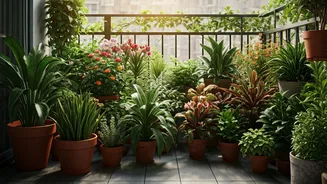
Balcony farming, or urban gardening, is not a new concept. For generations, Indian households have kept pots of tulsi, curry leaves, or aloe vera for daily use. What’s different now is the scale, intention, and the demographic driving the trend. This
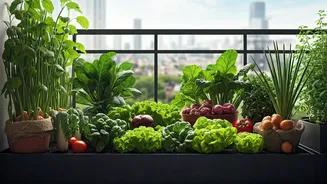
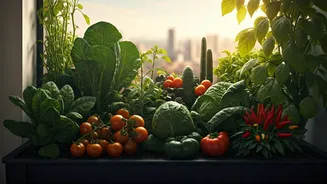
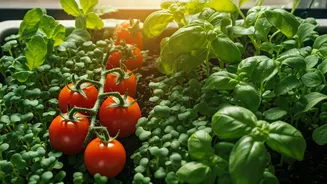
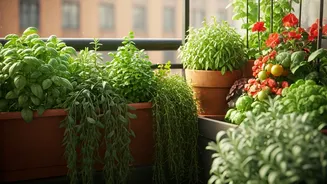
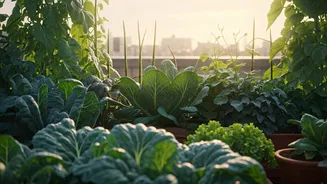
isn’t just about having a few decorative plants; it’s about cultivating a miniature ecosystem. We’re talking about organised rows of leafy greens, cherry tomatoes vining up a trellis, and a steady supply of fresh herbs for cooking—all within the few square feet of a city apartment balcony. The shift is from passive plant ownership to active cultivation. Spurred by lockdown-induced boredom and a growing desire for meaningful, hands-on activities, young urbanites began looking at their neglected balconies differently. What was once a storage space for old newspapers or a place to dry clothes became a canvas for creation. Startups selling beginner-friendly gardening kits, organic seeds, and compact planters have flourished, making it easier than ever for novices to get their hands dirty.
The Gen Z Green Thumb
So why has this hobby resonated so strongly with Gen Z? The answer lies in a blend of their core values and anxieties. This is a generation deeply concerned with sustainability and the climate crisis. Growing their own food, even a small portion, is a tangible way to reduce their carbon footprint, minimise plastic packaging from store-bought vegetables, and ensure what they’re eating is free from harmful pesticides. It’s an act of quiet rebellion against an opaque and often unsustainable global food system. Furthermore, in an age of digital saturation, gardening offers a much-needed analogue escape. The slow, mindful process of planting a seed, watering it, and watching it grow provides a powerful antidote to the instant gratification and constant stimulation of online life. It’s a real-world project with visible results, boosting mental well-being and reducing stress. And, of course, there’s the aesthetic appeal. A lush, green balcony is the ultimate backdrop for an Instagram story, making sustainability look aspirational and cool.
From Pot to Plate, The Urban Way
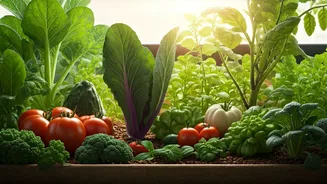
The ultimate reward of balcony farming is, without a doubt, the harvest. There is a unique satisfaction in snipping fresh mint for your evening chai, tossing a home-grown chilli into a tadka, or making a pesto with basil that was growing just moments before. The flavour of freshly picked produce is incomparable to its long-travelled supermarket counterparts. For city dwellers in Mumbai, Bengaluru, or Delhi, it connects them to their food in a way that feels primal and powerful. It closes the gap between producer and consumer, making them both. This connection fosters a greater appreciation for food and reduces waste. When you’ve spent weeks nurturing a tomato plant, you’re far less likely to let its fruit spoil in the back of the fridge. It encourages healthier eating habits and inspires culinary creativity, as gardeners look for new ways to use their bounty.
How to Start Your Own Micro-Farm
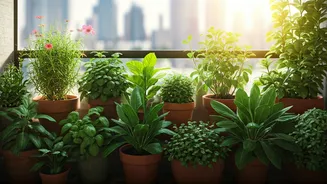
Intimidated? Don't be. The beauty of balcony farming is that you can start small. You don’t need a sprawling terrace to begin. Start with herbs, which are notoriously forgiving. Mint (pudina), coriander (dhania), and Indian basil (tulsi) are excellent choices that thrive in pots and require minimal fuss. They also provide immediate culinary benefits. Next, consider your sunlight. Observe your balcony for a day to see how many hours of direct sun it receives. This will determine what you can grow. Most vegetable plants, like tomatoes, chillies, and brinjal, need at least 5-6 hours of direct sun. Leafy greens like spinach (palak) can often manage with less. Use a good quality potting mix, ensure your pots have drainage holes, and be careful not to overwater—a common beginner mistake. The key is to learn as you go and celebrate the small successes.