








The Old Distribution Model
Not long ago, the Indian film industry operated in silos. Bollywood was the undisputed national force, securing wide releases across the country. Meanwhile, the vibrant film industries of the South—Telugu, Tamil, Kannada, and Malayalam—largely catered
to their home states. Their national reach was limited to selling remake rights to Hindi producers or releasing poorly dubbed versions that rarely found an audience in the northern circuits. For a regional film to become a national conversation piece, it first had to be remade in Hindi, a system that reinforced Bollywood's cultural and commercial dominance. This model created a clear hierarchy, where powerful stories from the South had to pass through a Hindi filter to gain nationwide visibility.
The Baahubali Blueprint
The release of S.S. Rajamouli's Baahubali: The Beginning in 2015 shattered this paradigm. The makers pioneered a new distribution strategy: instead of a lazy, last-minute dub, they planned a simultaneous, high-quality release in multiple languages from the outset. The film was not just translated; it was meticulously adapted and marketed for each region. By partnering with a major Bollywood name for its Hindi release, the producers ensured it received the same prime-time promotion and screen count as any A-list Hindi film. The result was a film that felt native to every audience, popularizing the term "pan-Indian" and proving that viewers would embrace a non-Hindi film if it delivered spectacle and emotion. The cliffhanger ending ensured the sequel became a national event, cementing the pan-Indian model as a viable, and hugely profitable, strategy.
The Modern Pan-Indian Playbook
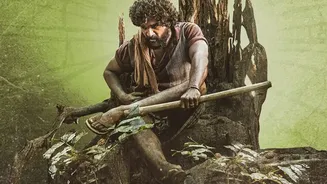
The success of Baahubali created a new playbook that films like KGF, Pushpa, and RRR would refine. The first rule is simultaneous, multi-language releases with high-quality dubbing, often supervised by the original creative team to maintain integrity. The second is localised marketing. This involves more than just translating posters; it means engaging with the media and audiences in each major market. For RRR, director S.S. Rajamouli’s team conducted surveys in Tier-2 northern towns to gauge audience awareness of his work and his actors, tailoring the campaign to highlight his connection to the beloved Baahubali. Another key tactic is running aggressive marketing on local television channels in different states, which helps films penetrate Tier-2 and Tier-3 cities. Finally, strategic alliances with established distributors in different regions ensure these films get the wide release needed to become blockbusters.
Authenticity as a Box Office Draw
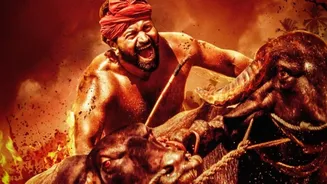
A crucial element of this transformation is the idea of authenticity. These blockbusters are not successful because they erase their regional identity; they are successful because they celebrate it. Films like Kantara, which is deeply rooted in the folklore of coastal Karnataka, found a massive national audience for its Hindi-dubbed version without sanitizing its cultural DNA. Audiences, particularly in the Hindi belt, have responded enthusiastically to the distinct storytelling, grand emotional stakes, and a vision that feels fresh and new. These films often tap into universal themes like heroism or a mother-son bond, but through a unique cultural lens that differentiates them from standard Bollywood fare. They proved that specificity could be a strength and that Indian audiences were hungry for stories from every corner of the country.