



The Rise of the Edible Balcony
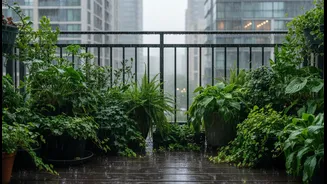
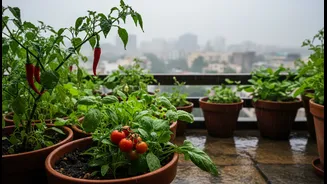
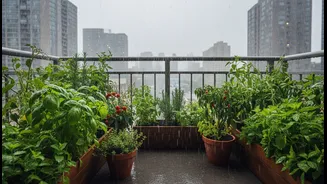
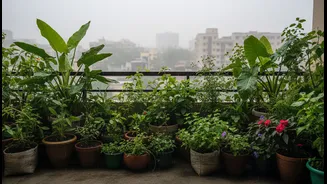
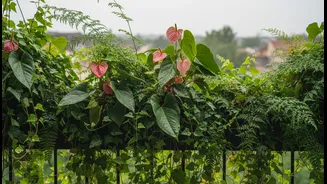
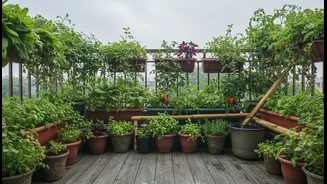
Across India's cities, a quiet revolution is taking root on balconies and terraces. More than just a hobby, creating a monsoon micro-garden has become a way to connect with nature, ensure a supply of fresh, pesticide-free produce, and beautify small urban
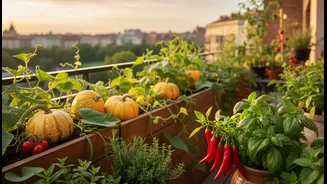
spaces. The appeal is obvious: imagine stepping out to pluck fresh mint for your tea or vibrant green chillies for a curry. The rainy season, with its high humidity and natural watering, provides an ideal growth spurt for many plants. This trend is reshaping discussions from simply growing decorative plants to cultivating a personal patch of greens, gourds, chillies, and herbs, making healthy living more accessible. However, the same rains that encourage growth can also pose significant challenges if not managed correctly.
What to Grow This Monsoon
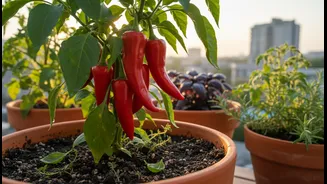
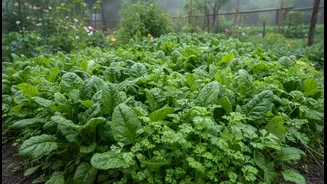
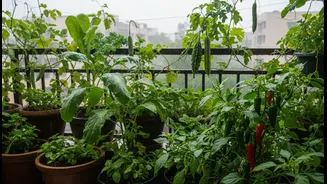
The monsoon is perfect for a variety of vegetables that thrive in humidity and moist soil. Leafy greens like spinach (palak) and amaranth (chaulai) grow quickly and can be harvested within weeks. Heat-loving vegetables such as okra (bhindi) and brinjal also flourish. Gourds are the undisputed stars of the season; varieties like bottle gourd (lauki) and bitter gourd (karela) are vigorous climbers that produce abundantly, provided they have a sturdy trellis for support. For a bit of spice, green chilli plants are a must, as they adapt well to the rainy season. And no kitchen garden is complete without herbs—tulsi, mint, and coriander love the cooler, humid monsoon climate.
Mastering Monsoon Drainage
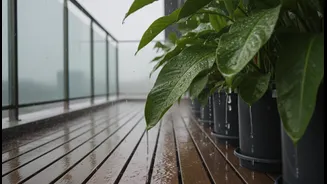
The single most critical factor for a successful monsoon balcony garden is drainage. While the rain is a blessing, waterlogged pots are a death sentence for most plants, leading to root rot. The first step is to ensure every pot has adequate drainage holes at the bottom. If a decorative pot lacks holes, either drill some or use the double-potting method: place a smaller pot with drainage inside the decorative one. It's also wise to elevate your pots on bricks or plant stands. This prevents them from sitting in pools of water on the balcony floor and allows excess water to escape freely. Finally, check your potting mix. Avoid heavy garden soil, which compacts easily. A lightweight, well-draining mix of soil, compost, and coco-peat is ideal for containers.
Navigating Sunlight and Shade
Monsoon skies are often overcast, which can be a challenge for sun-loving plants. It's important to observe your balcony's specific light pattern. East-facing balconies that receive gentle morning sun are perfect for most herbs and leafy greens. South and west-facing balconies, though receiving more intense sun, might have fewer hours of direct light during this season. Most vegetables require at least four to six hours of sunlight to thrive. If your balcony is mostly shaded, focus on plants that tolerate lower light, such as mint, spinach, and certain leafy greens. Fruiting plants like chillies and gourds will need the sunniest spot you can offer. You may need to rearrange your pots to maximize the light they receive.
Choosing the Right Pot Size
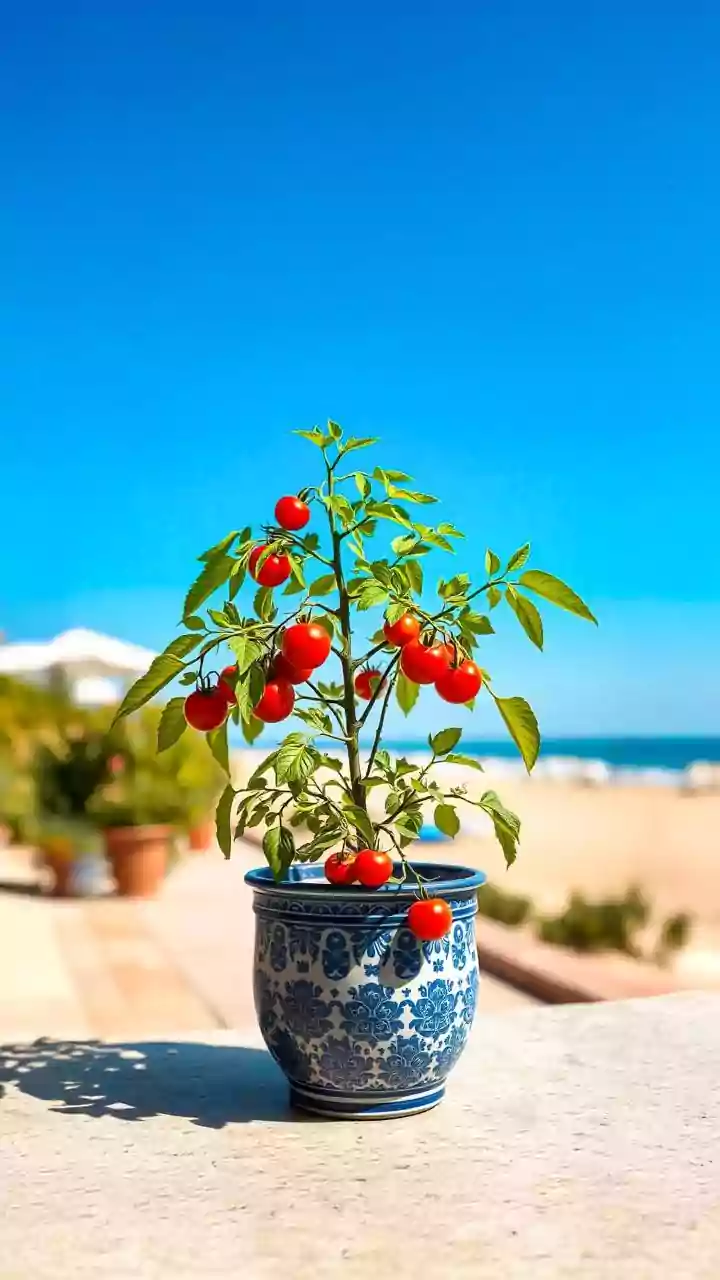
Pot size directly impacts a plant's health and yield. A container that's too small will restrict root growth and dry out too quickly, even during the monsoon. As a general rule, it's better to choose a slightly larger pot than a smaller one. Leafy greens and herbs like lettuce, spinach, and coriander can do well in smaller, wider pots or trays about 15-20 cm deep. Chilli and capsicum plants need a medium-sized pot, around 10-15 litres (or 25-30 cm in diameter). For vigorous growers like gourds and tomatoes, you'll need much larger containers—at least 20-40 litres (40-50 cm diameter)—to support their extensive root systems and nutrient needs.