






The Invisible Threat: Understanding UV Rays
The warmth you feel from the sun is infrared radiation, not the ultraviolet (UV) radiation that damages your skin. UV radiation is invisible and comes in two main forms that reach the Earth's surface: UVA and UVB. UVB rays have shorter wavelengths and are the primary
cause of sunburn. They damage the outermost layers of your skin and are a leading cause of most skin cancers. UVA rays, on the other hand, have a longer wavelength and penetrate deeper into the skin. They make up about 95% of the UV radiation that reaches us and are the main culprit behind premature ageing, such as wrinkles and fine lines. UVA rays are insidiously consistent, maintaining their strength during all daylight hours, throughout the entire year. Crucially, both types of rays damage skin cell DNA, which can lead to skin cancer over time.
How Clouds Can Be Deceiving
It’s a persistent myth that clouds provide adequate protection from the sun. In reality, up to 80% of the sun's UV rays can pass straight through clouds and reach your skin. Think of cloud cover as a thin filter, not a solid barrier. The amount of protection varies depending on the cloud's thickness; while thick, dense storm clouds might block a significant portion, light, scattered clouds can allow almost 90% of UV rays through. In some cases, a phenomenon known as the "broken-cloud effect" can actually increase UV exposure. Rays can reflect off the edges of clouds, concentrating them and making them more intense than on a clear day. This means a partly cloudy day can be surprisingly hazardous for unprotected skin.
The Daily Habit for Healthy Skin
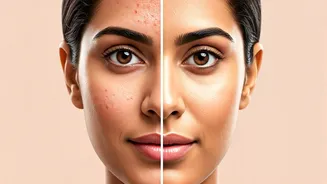
Sun damage is cumulative. It’s not just about avoiding a painful sunburn after a day at the beach. Daily, incidental exposure—the kind you get while walking to the bus stop, driving, or even sitting near a window on a cloudy day—adds up. This constant exposure to UVA rays, which can penetrate glass, accelerates photoaging, breaks down collagen, and leads to hyperpigmentation and an uneven skin tone. Making sun protection a non-negotiable part of your daily routine is one of the most effective ways to prevent premature ageing and significantly lower your risk of developing skin cancer.
Choosing Your Shield: Sunscreen Essentials
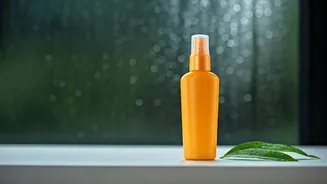
Navigating sunscreen options can be overwhelming, but a few key terms make it simple. Always choose a 'broad-spectrum' sunscreen, which means it protects against both UVA and UVB rays. For daily use, a Sun Protection Factor (SPF) of at least 30 is recommended. Given India's proximity to the equator and higher UV intensity, many dermatologists suggest SPF 50 for more robust protection, especially during extended time outdoors. The texture is also key for consistent use in a humid climate. Gel-based, matte, and non-comedogenic formulas are excellent choices for Indian skin, as they absorb quickly without feeling sticky or clogging pores. Remember to apply sunscreen about 15-20 minutes before heading out to allow it to bind to your skin.
Beyond the Bottle: Umbrellas and More
Sunscreen is your primary defence, but it’s not your only one. The second part of the headline is just as important. An umbrella can provide an excellent physical barrier against the sun. However, not all umbrellas are created equal. For sun protection, look for umbrellas specifically rated with a UPF (Ultraviolet Protection Factor). A UPF 50+ rating means the fabric blocks over 98-99% of UV rays, offering a portable patch of reliable shade. These are different from standard rain umbrellas, which may not offer certified UV protection. Combining a UPF-rated umbrella with broad-brimmed hats, UV-blocking sunglasses, and protective clothing creates a comprehensive strategy to keep your skin safe, no matter what the sky looks like.