







The Real Cost of Unplanned Meals
Before we dive into the 'how,' let's understand the 'why.' When you shop without a plan, you're not just buying groceries; you're buying on impulse. That packet of imported biscuits, the extra bunch of bananas that will inevitably go brown, the ready-to-eat
meal that costs three times as much as its ingredients — they all add up. Studies show a significant portion of household food budgets is lost to food waste, with unplanned purchases being a major culprit. Beyond the financial cost is the mental load. Deciding what to cook three times a day is a form of decision fatigue that drains your energy for more important tasks. Meal planning isn't about restriction; it's about reclaiming control over your wallet, your time, and your peace of mind.
Step 1: Take Stock of Your Kitchen
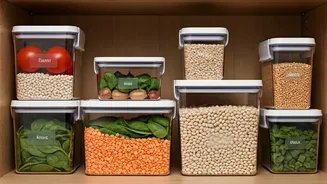
The first step to a successful meal plan doesn’t happen at the grocery store. It happens right in your own kitchen. Before you even think about what you want to eat, you need to know what you already have. Open your fridge, freezer, and pantry. What needs to be used up? That half-full jar of pasta sauce, the wilting spinach, the dal you bought months ago. Make a list of these perishable and near-expiry items. This practice, known as a 'pantry audit,' forms the foundation of your weekly menu. Planning your meals around ingredients you already own is the fastest way to slash your grocery bill and dramatically reduce waste. Think of it as a treasure hunt where the prize is saving money.
Step 2: Build Your Weekly Menu
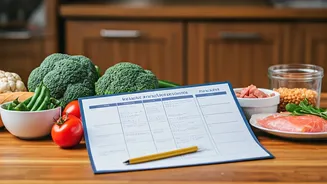
With your inventory list in hand, it's time to create your menu. This can feel daunting, so start small. Aim to plan just dinners for the next five days. A great way to simplify this is with themed nights: 'Masala Monday,' 'Tadka Tuesday,' 'World Cuisine Wednesday,' and so on. This provides structure and narrows down your options. As you plan, incorporate the items from your pantry audit. Got leftover chicken? Plan for chicken fried rice. Have potatoes and cauliflower? Aloo gobi is on the menu. Also, think about 'cooking once, eating twice.' Can you make a large batch of rajma and use the leftovers for rajma parathas the next day? This efficiency is key to making meal planning a sustainable habit.
Step 3: Create a Laser-Focused Shopping List
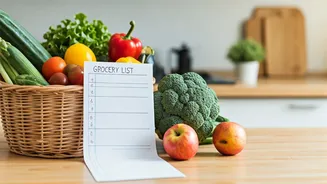
Once your menu is set, the shopping list almost writes itself. Go through each planned meal and list every single ingredient you don’t already have. Be specific. Don't just write 'vegetables'; write '2 onions, 1 head of garlic, 500g tomatoes.' This detailed list is your most powerful tool against impulse buys. It transforms you from a browser into a mission-oriented shopper. You are no longer susceptible to the tempting displays at the end of the aisle or the 'buy one, get one' deals on things you don't need. Your list is your shield. If an item is not on the list, you do not need it this week. This discipline is the bridge between planning at home and smart shopping in the store.
Step 4: Execute the Plan and Stay Flexible
Now, it's time to shop. The golden rule is simple: stick to the list. A helpful tip is to eat a snack before you go; shopping on an empty stomach is a well-known recipe for impulse buys. As you navigate the store, focus only on what you need. However, planning doesn't mean being rigid. If tomatoes are unexpectedly expensive but lauki is on sale, be willing to swap a recipe. Flexibility is important. The same goes for the week itself. If you're not in the mood for what you planned on Wednesday, swap it with Friday's meal. The goal is to have all the necessary ingredients for a week of meals, giving you freedom within a structure. This prevents the plan from feeling like a chore.