



The Power of Desk Plants
Before diving into the 'how', let's talk about the 'why'. Placing plants on your desk is more than just a decor trend. Studies have shown that greenery in your workspace can help reduce stress, increase focus, and boost productivity. Plants act as natural
air purifiers, filtering common indoor pollutants and releasing oxygen, which can help reduce mental fatigue. For a bedroom study table, a plant offers a calming, natural element that separates your relaxation space from your work zone, creating a more balanced and pleasant environment.
Meet Your New Best Friends: Snake Plant and Pothos
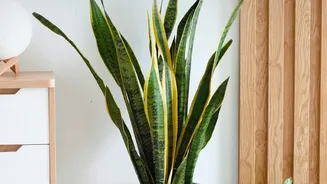
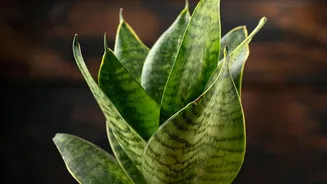
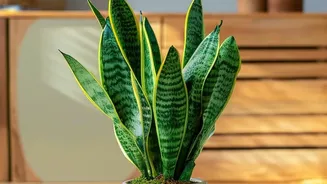
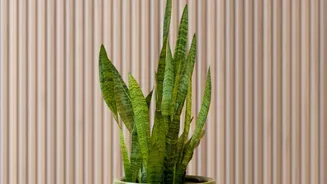
For those who weren't born with a green thumb, the Snake Plant (Sansevieria) and Pothos (Epipremnum aureum) are the perfect starters. Both are famously resilient and thrive on a bit of neglect. The Snake Plant is known for its upright, architectural leaves that add a modern, clean look to any space. It's incredibly drought-tolerant and can handle low light, although it prefers bright, indirect sunlight. Pothos, often called Devil's Ivy, is a trailing vine with heart-shaped leaves that can be left to hang gracefully from a shelf or trained to climb. It's also adaptable to various light conditions and is quite forgiving if you forget to water it occasionally.
Hack 1: The Right Pot Is Everything
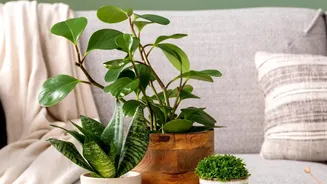
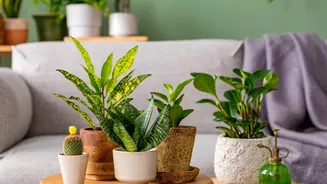
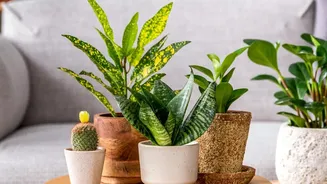
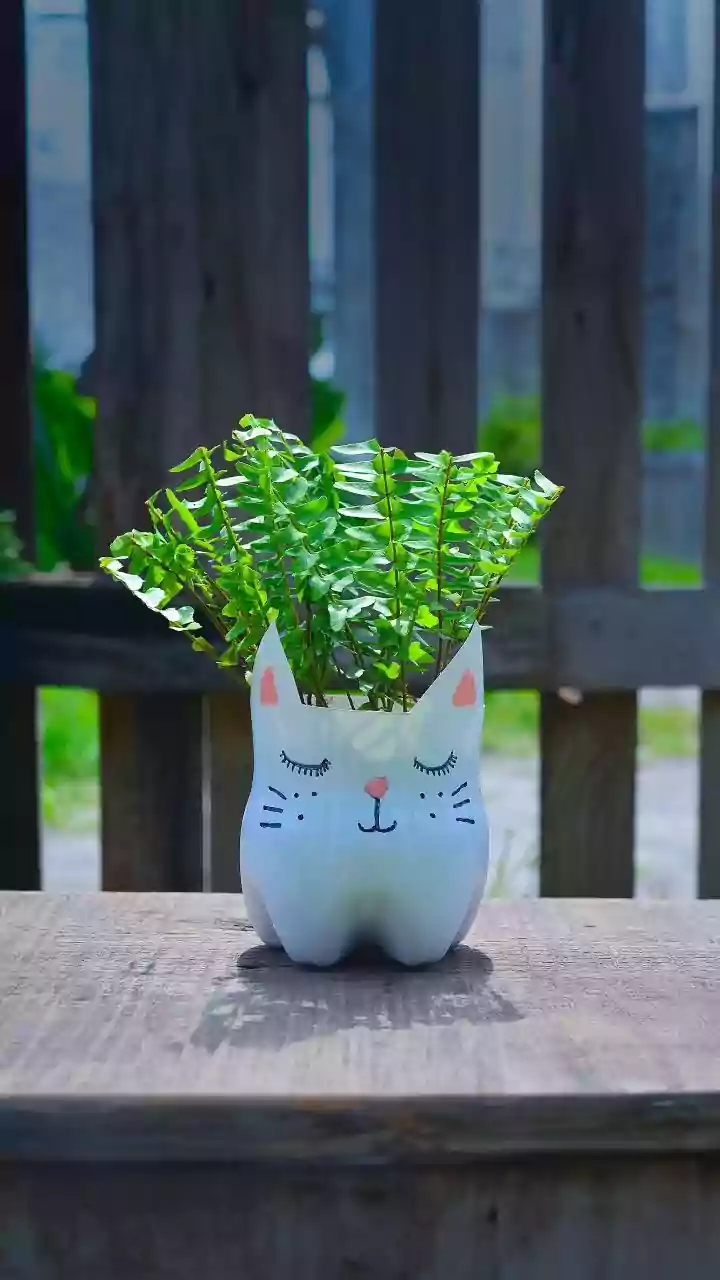
The secret to a stylish desk plant starts with its container. Ditch the basic plastic nursery pot and choose something that reflects your personal style. For a minimalist look, a simple ceramic pot in a solid neutral colour like white, grey, or black can make the green foliage pop. If your room has a more bohemian or rustic vibe, consider terracotta pots, woven baskets, or even unique containers like vintage mugs or teacups. Whatever you choose, ensure it has a drainage hole at the bottom. Both Snake Plants and Pothos hate sitting in water, as it leads to root rot, the most common killer of these hardy plants. If your chosen decorative pot doesn't have a hole, simply keep the plant in its nursery pot and place it inside the prettier one, removing it for watering.
Hack 2: Play with Placement and Height
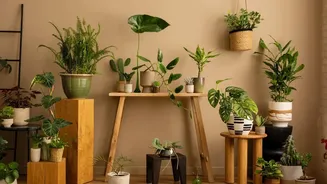
A single plant on a desk is good, but a well-arranged group is even better. Create visual interest by playing with height. Place a taller Snake Plant towards the back of your desk to act as a living bookend or a natural privacy screen. Let the trailing vines of a Pothos cascade down the side of your desk or from a nearby shelf. You can use a small stack of books or a decorative box to elevate a smaller plant. Grouping plants of different sizes and textures creates a dynamic, layered look that feels intentional and styled. For a Pothos, you can also use small, clear clips to train its vines up the wall around your desk, creating a living frame.
Hack 3: Master the 'Forgetful' Watering Technique
The biggest hack for keeping these plants alive is to learn their watering needs, which is thankfully minimal. The golden rule for both Snake Plants and Pothos is to underwater rather than overwater. Before you even think about watering, stick your finger about an inch or two into the soil. If it feels dry, it's time to water. If there's any moisture, wait a few more days. When you do water, do it thoroughly until water runs out of the drainage hole, then let it drain completely. For a Snake Plant, this might be only once every 2-6 weeks, depending on the light and humidity. Pothos might need a drink a bit more often, but it will usually tell you it's thirsty when its leaves start to look a little soft or droopy.
Hack 4: Grow Your Collection with Propagation
One of the most rewarding aspects of owning Pothos and Snake Plants is how easy they are to propagate. This means you can create new plants for free to fill other spots in your room or give to friends. For Pothos, simply snip off a vine with a few leaves and place the cut end in a glass of water. Roots will start to form in a few weeks. These cuttings look beautiful on their own in a simple glass bottle or vase on your desk while they root. Snake Plants can also be propagated by cutting a leaf and placing it in water or by dividing the plant at its roots when you repot it. This simple hack allows you to expand your indoor garden without spending any more money.